Teeth whitening might seem like something you can grab off the supermarket shelf or book on a whim at your local beauty bar. But here’s the thing: in Australia, it’s not just about shiny teeth and social media trends. There are strict rules around who can legally do teeth whitening—and for good reason.
At Cosmetic Tattoo Brisbane Studio Face Figurati, we’ve always put client safety, legal compliance and results that last first. While we specialise in cosmetic tattooing, we get asked all the time about teeth whitening—especially by beauty professionals looking to add to their skillset or curious about taking a teeth whitening course. And that’s where it’s important to understand the difference between professional training and what’s legally allowed.
I’ve had actual clients come in after DIY disasters and dodgy beauty salon jobs with burns on their gums, uneven results and even permanent tooth sensitivity. So if you’re thinking of brightening your smile, it’s worth knowing who is actually qualified to do it safely and in line with current Australian regulations and safety standards.
Let’s break it down, plain and simple.
Contents
The Legal Lowdown
Teeth whitening is classified as a cosmetic dental procedure under Australian law. That means it falls under the regulatory requirements of the Australian Health Practitioner Regulation Agency (AHPRA) and the Dental Board of Australia.
Here’s what the law says:
- Only registered dental professionals (dentists, dental hygienists, oral health therapists) can legally do in-chair teeth whitening procedures that involve high-concentration hydrogen peroxide or carbamide peroxide.
- Over-the-counter teeth whitening products (like whitening strips or low-strength gels under 6% hydrogen peroxide or 18% carbamide peroxide) can be legally sold in pharmacies or used at home, but these must be applied by the client themselves, not by a beauty therapist or technician.
- Anyone not registered as a dental professional cannot legally apply whitening products to a client’s teeth, regardless of the product strength.
“Providing teeth whitening services without dental qualifications is not only illegal in many cases—it also puts clients at risk of permanent oral damage.” — Dental Board of Australia
The Peroxide Percentage Problem
Let’s talk about that peroxide, because this is where the danger lies. Teeth-whitening products work by using hydrogen peroxide (or its gentler cousin, carbamide peroxide) to bleach the enamel and alter tooth colour.
| Peroxide Type | Legal Max Strength (Retail Use) | Only Dentists Can Use |
|---|---|---|
| Hydrogen Peroxide | Up to 6% | Over 6% |
| Carbamide Peroxide | Up to 18% | Over 18% |
So if a beauty therapist or beauty professional is applying anything stronger than those retail limits, they’re breaking the law—and compromising your oral health.
Unqualified Treatments
In my beauty studio, we stick to skin and features—not teeth. Why? Because we know where the legal lines and safety protocols are. I’ve seen clients come in after treatment with:
- Burnt gums and lips (from peroxide left on too long or misapplied)
- White spotting and enamel blotching
- Chemical sensitivity flare-ups
- Exposed dentine from poorly-fitted trays
- Infections from unsanitised tools and poor safety measures
These are not just cosmetic fails—they’re serious dental care risks.
What’s a “Qualified” Provider?
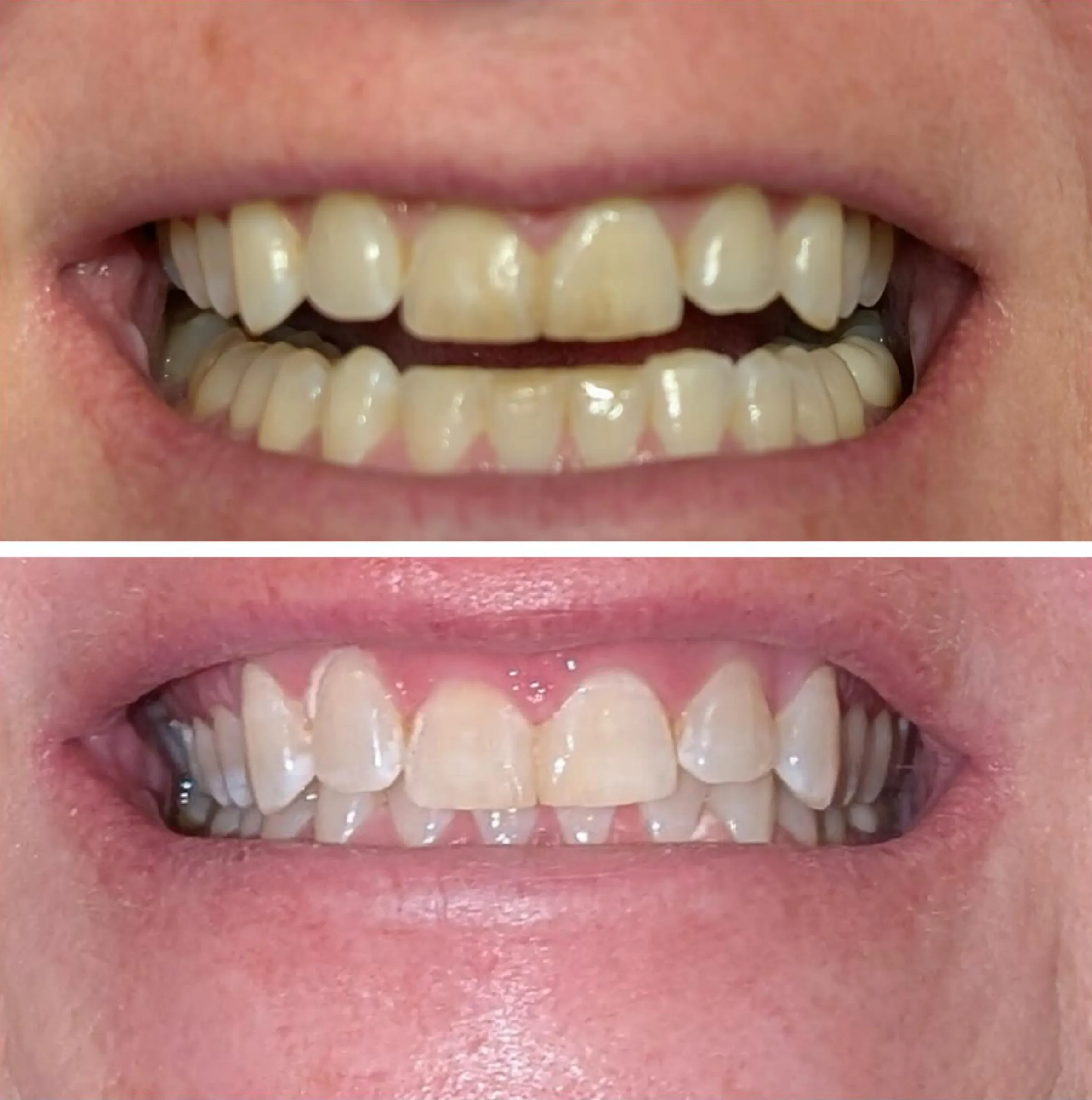
Let’s make this super clear: qualified means registered with AHPRA and holding valid dental credentials that meet industry standards.
Qualified providers include:
- General dentists (Bachelor of Dental Surgery or equivalent)
- Dental hygienists and oral health therapists working under the supervision of a dentist in dental practices or specialist practices
NOT qualified:
- Beauty therapists
- Cosmetic tattooists
- Hairdressers or lash techs
- Untrained “technicians” offering online teeth whitening or pop-up office treatments in aged care facilities or shopping centres
If they’re not on the AHPRA Register, they’re not qualified. Full stop.
Why It Matters More in 2025
According to the 2025 Beauty & Wellness Consumer Insights Report, demand for cosmetic teeth whitening in Australia has grown by 31% in the last two years. TikTok trends, influencer culture and easy online teeth treatment options have all contributed.
But so have the injury claims from unregulated dental treatments which have doubled since 2022. The risks are real—and rising.
As more beauty professionals do teeth whitening courses, it’s important to know what’s actually legal to offer as part of your beauty services. Doing a teeth whitening course may enhance your knowledge but it doesn’t make you a qualified dental provider.
Safe Whitening Options
Here’s your menu of safe, legal and effective teeth whitening treatment options:
1. Professional In-Chair Whitening (Dentist Only)
- Strongest, fastest results
- Custom trays, gum protection and expert advice
- Hands-on experience ensures product safety and attentive care* $500–$1,000+ depending on brand and clinic
2. Take-Home Kits from Your Dentist
- Custom trays for your mouth
- Controlled use with a treatment plan
- Maintenance or mild discolouration
3. Over-the-Counter Whitening Kits
- At pharmacies or online
- For upkeep, not dramatic results
- Still need to follow safety precautions
What to Ask Before You Book
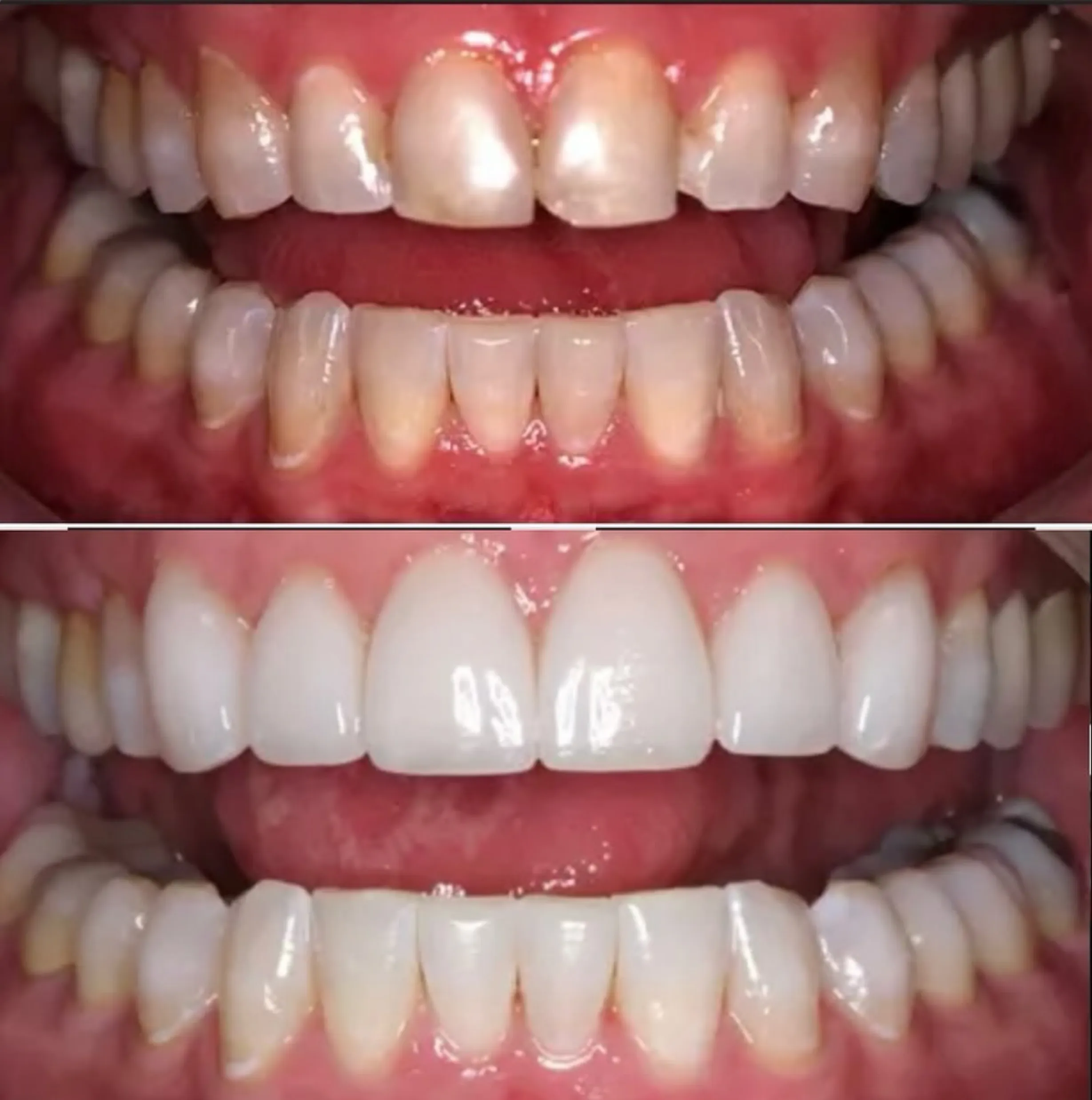
Want to make sure you’re choosing a safe provider? Ask about:
- Dental registration (check the AHPRA Register)
- Treatment plan and consultation (Do they screen for medical conditions or dental diseases?)
- Hands-on training and practical experience
- Safety protocols and product handling
- Follow-up care and aftercare advice
If they dodge these questions, they’re not worth your time—or your tooth enamel.
Final Thoughts
Teeth whitening is exciting—but only when it’s done right. In the beauty industry we love transformation but we also value safety, standards and actual client results. That means sticking to qualified professionals for dental treatments.
If you’re a beauty therapist or in training, this could even be part of your learning journey—exploring safe referral pathways and understanding the basics of teeth whitening as part of your broader beauty services education. There are plenty of teeth whitening courses out there, but be sure they are framed as educational, not as a licence to practice illegally.
A whiter smile is great. But doing it safely, legally and with expert care? That’s the real glow-up.
FAQ
Can beauty salons offer teeth whitening?
No, unless a registered dental professional is involved. Most beauty salons don’t meet the legal training requirements for dental-grade whitening.
What happens if an unqualified person whitens your teeth?
You risk gum burns, infections, tooth sensitivity and other oral health problems. Plus services to clients without proper qualifications violate Australian regulations and advertising practices.
Is over-the-counter teeth whitening safe?
Yes—if used correctly. Look for compliant products and always check peroxide levels. Even at-home use should respect safety measures.
How do I find a qualified teeth whitening provider?
Search the AHPRA Register. Book at a dental clinic with professionals trained in dental products and teeth whitening procedures.
Can I take a course to offer whitening as a beauty professional?
Only dental professionals can perform the procedure legally. However if you’re interested in career opportunities consider person courses that teach quality regulations, hands-on training and referral skills for beauty therapists.
