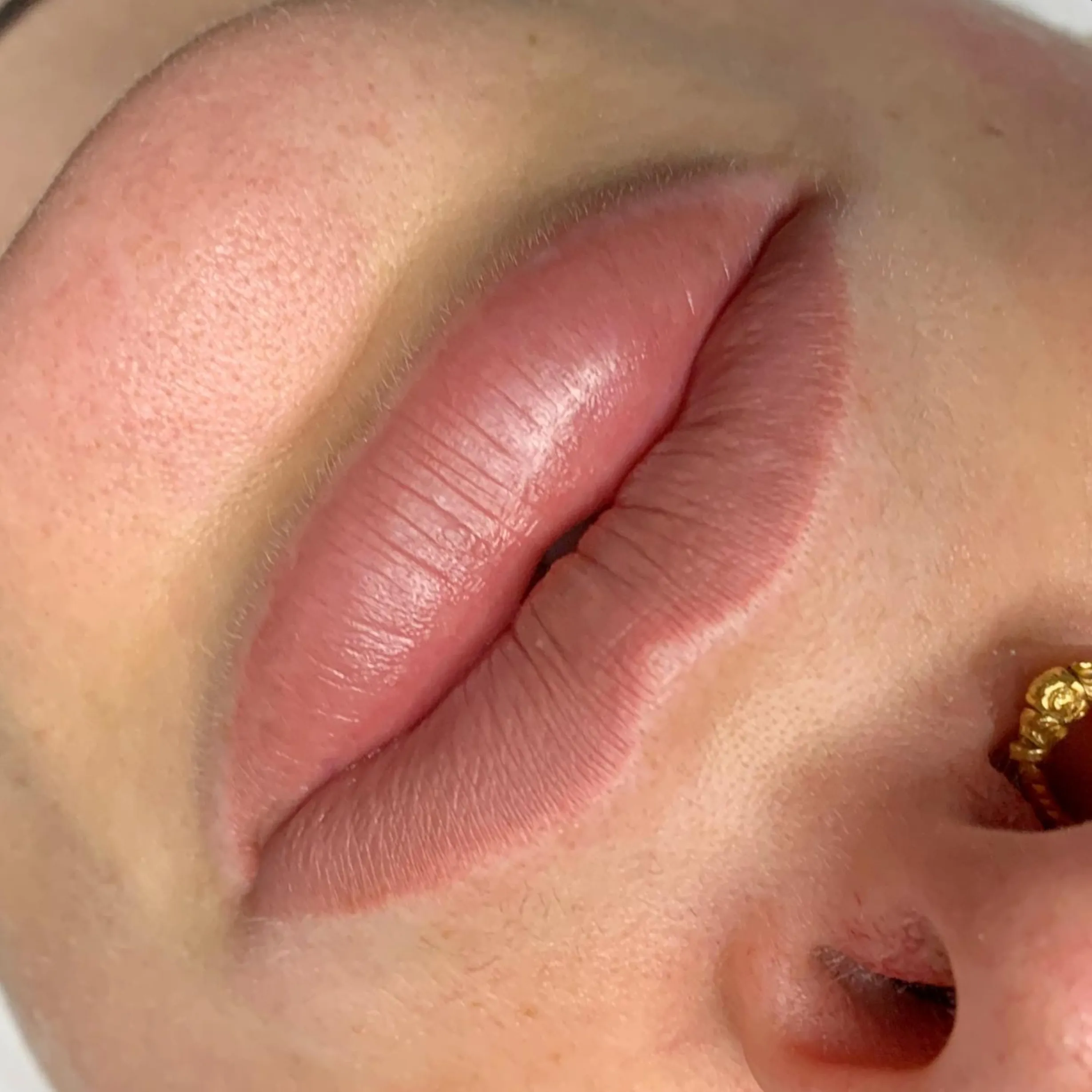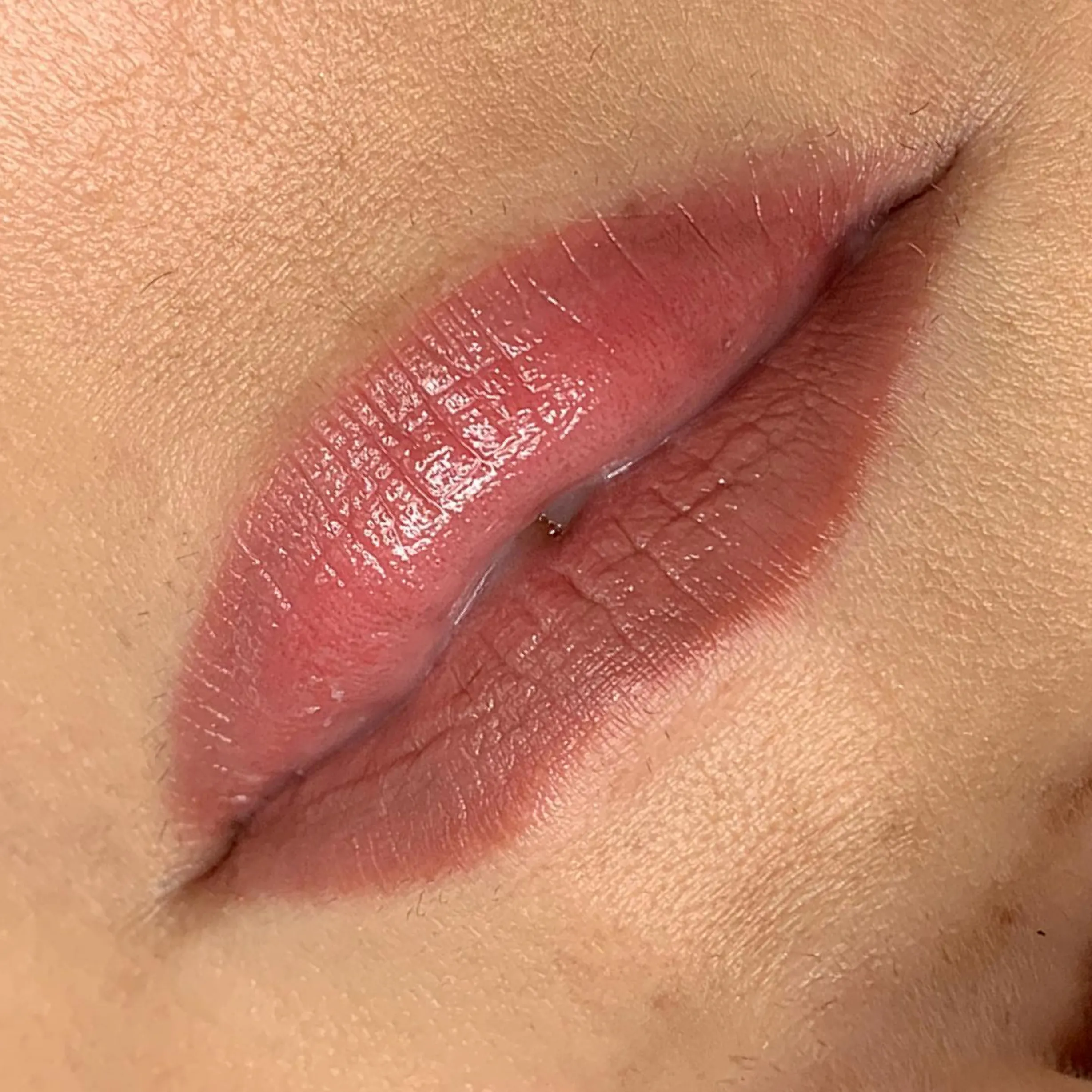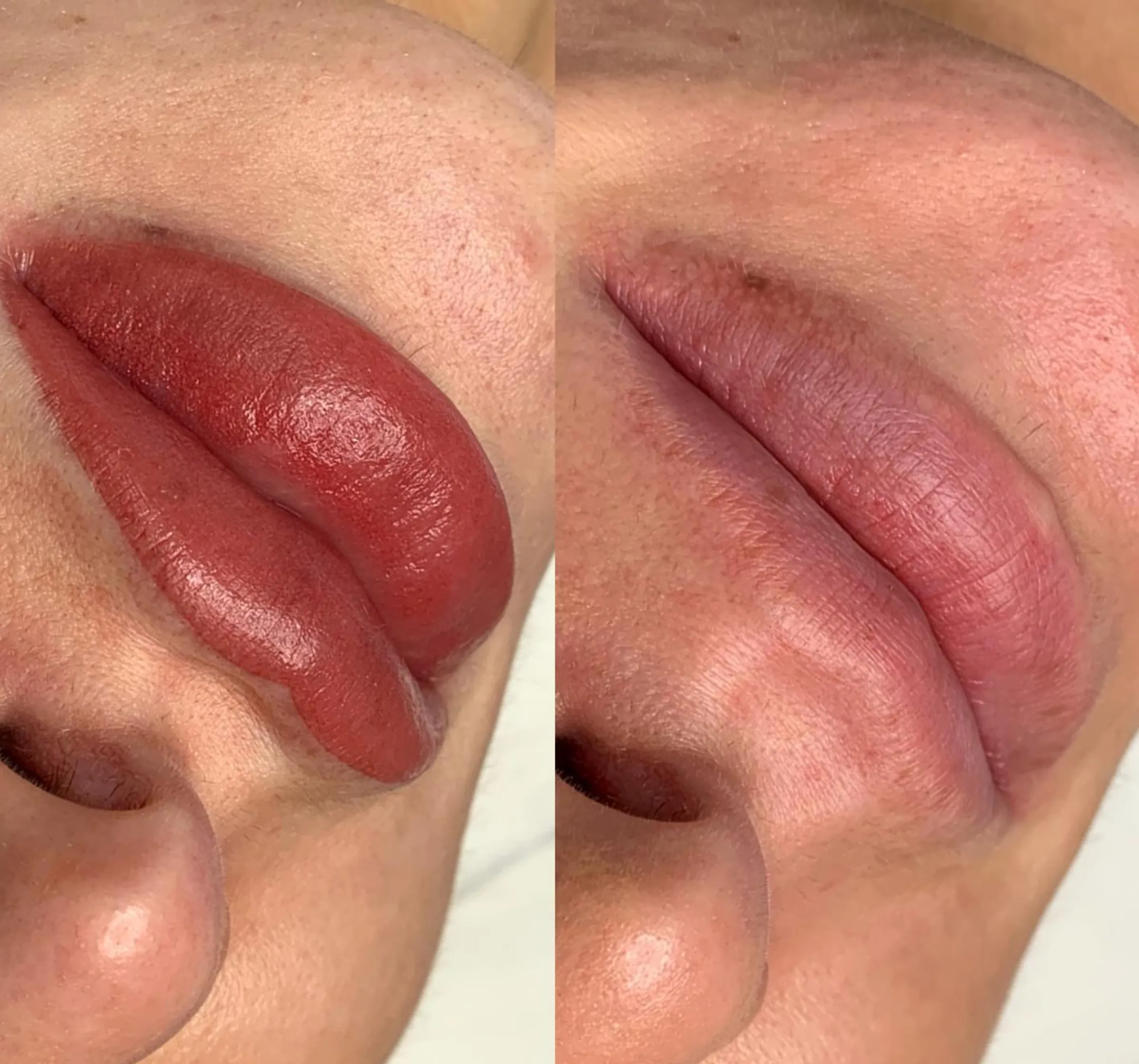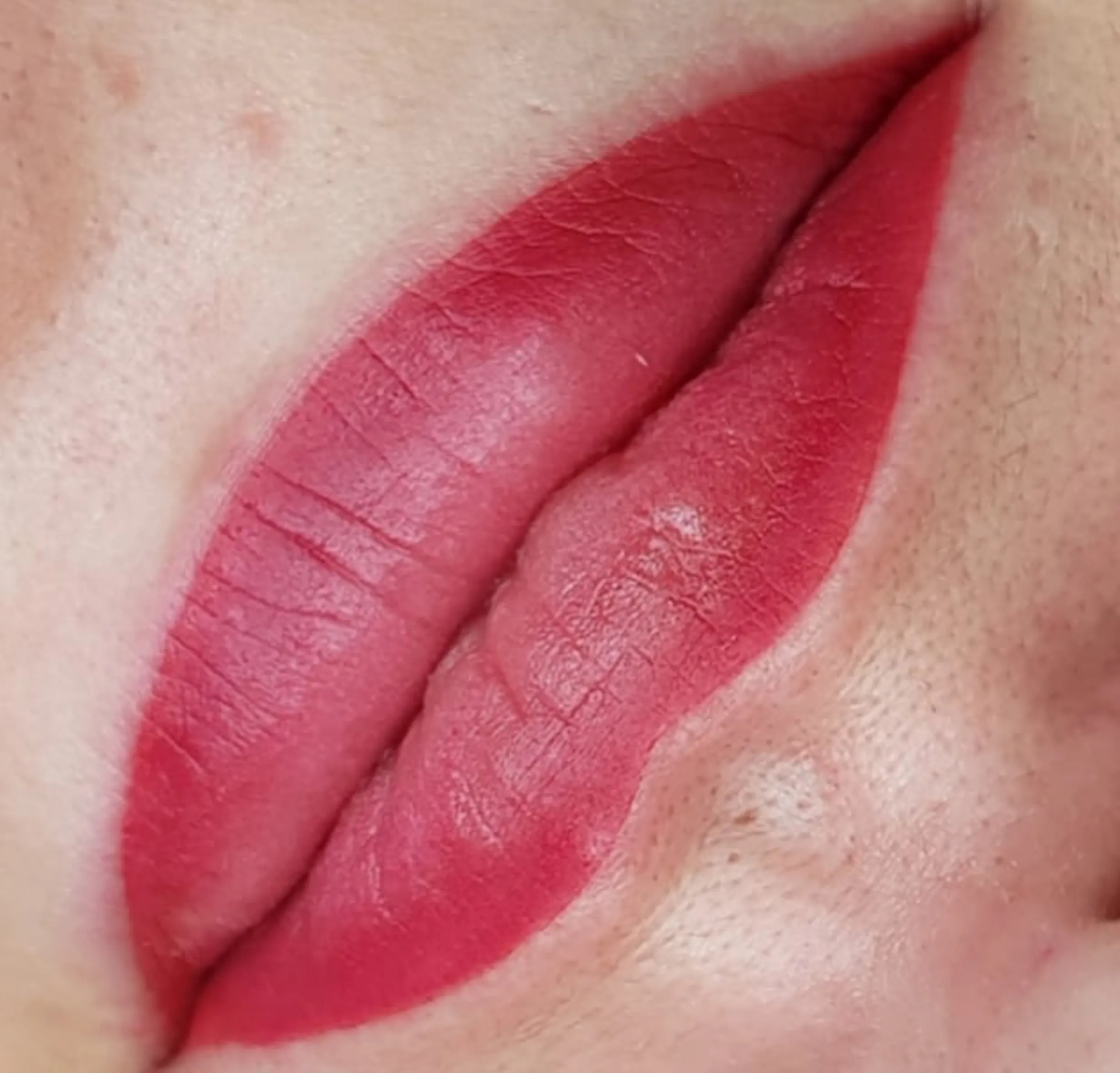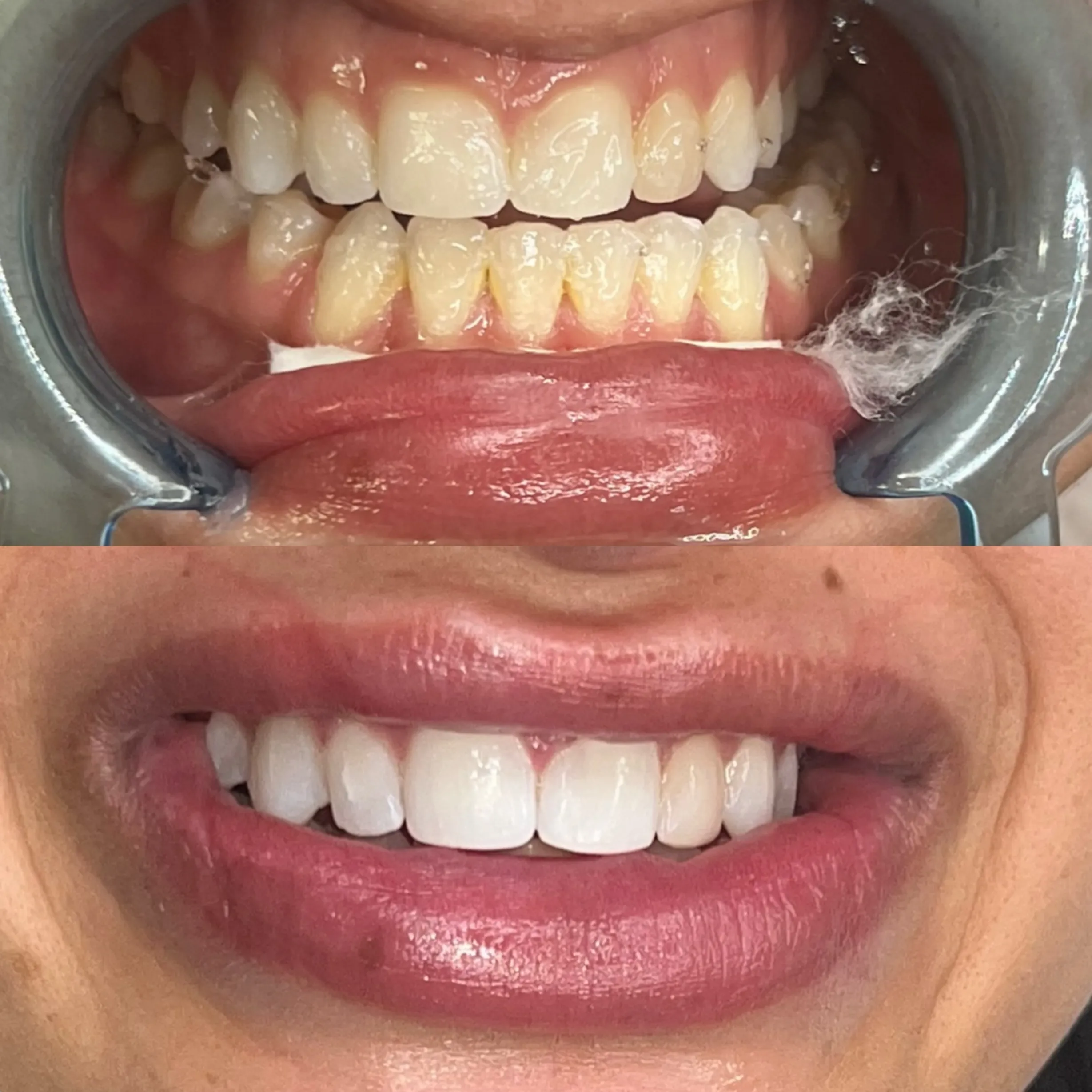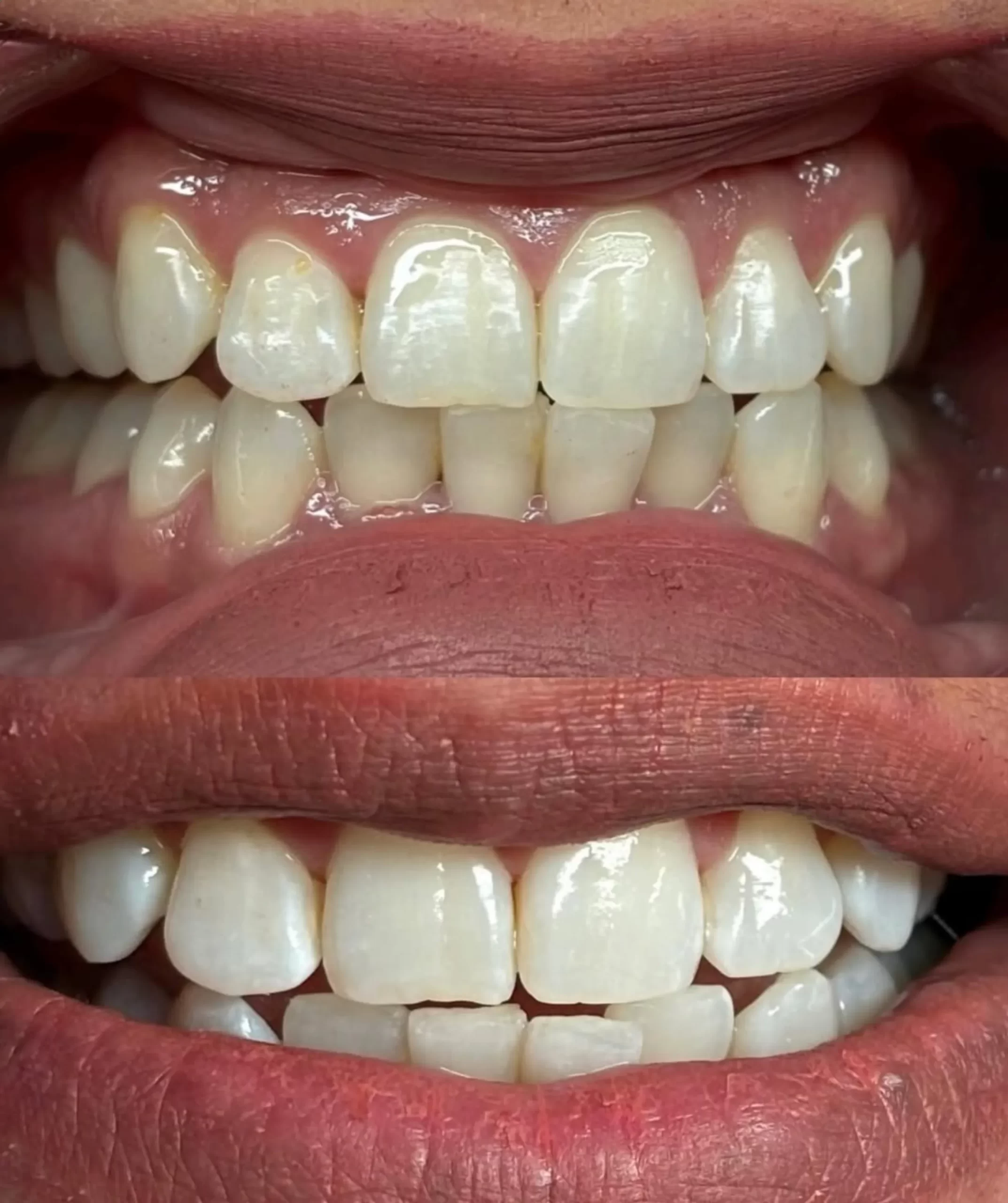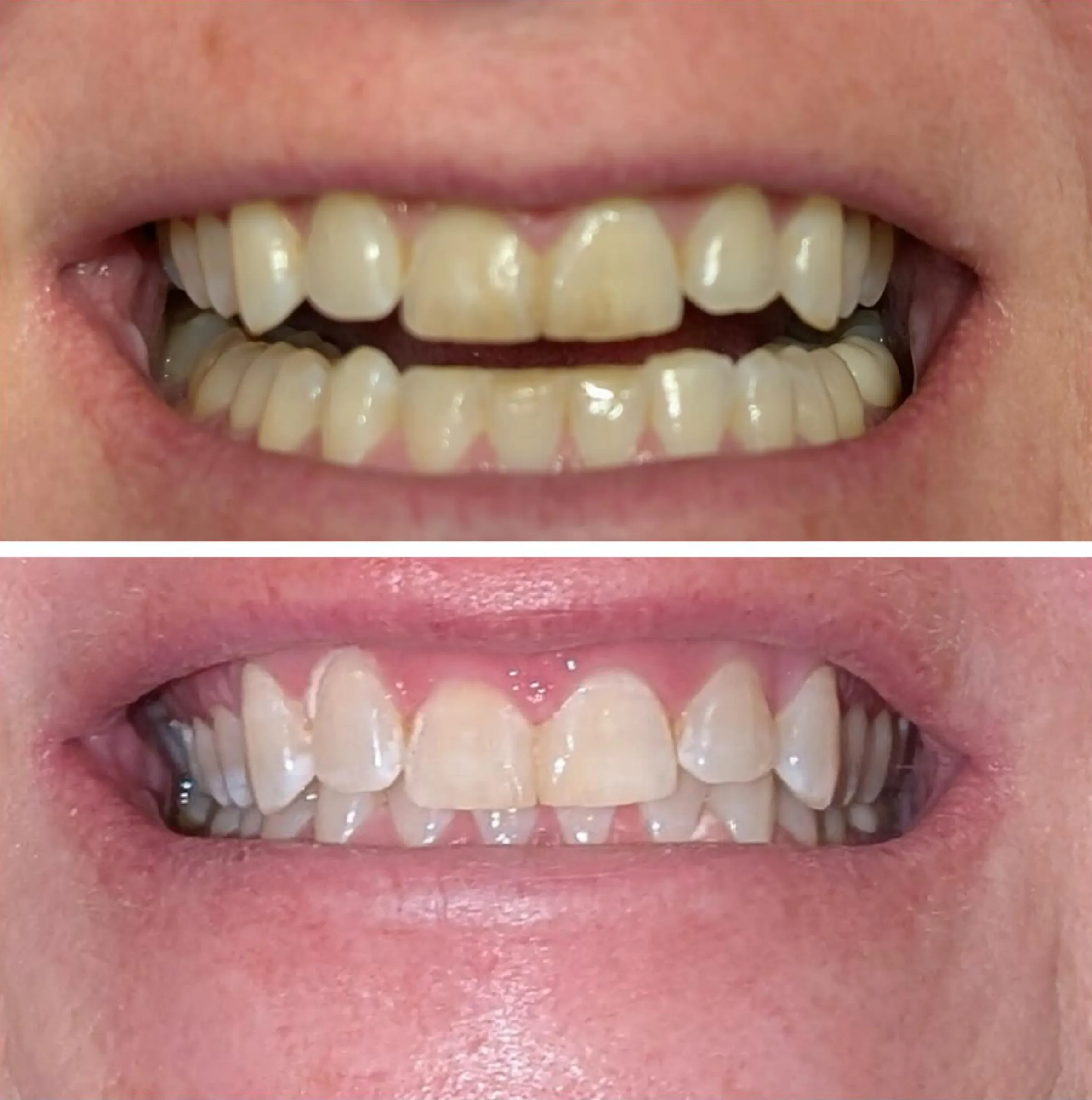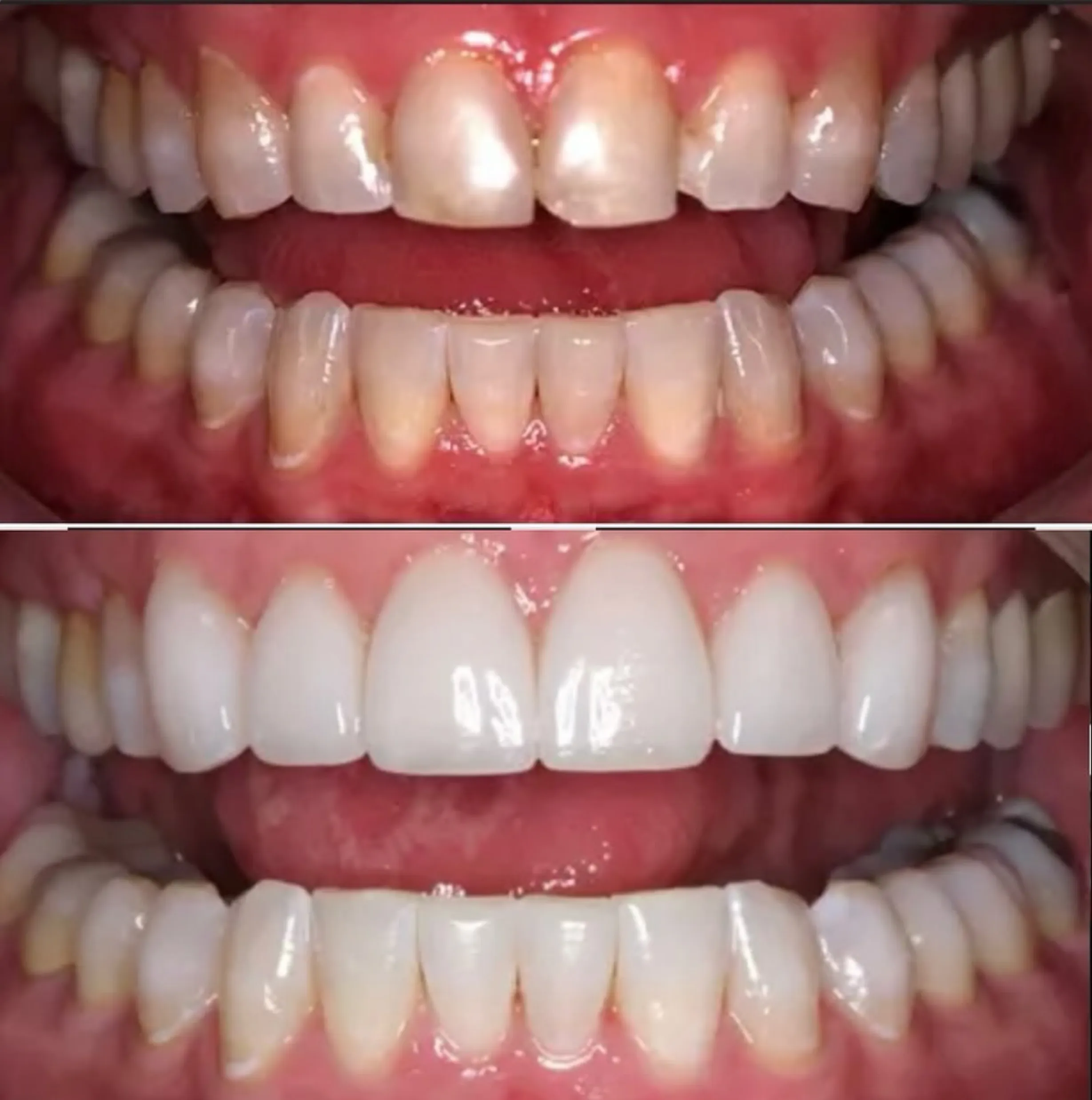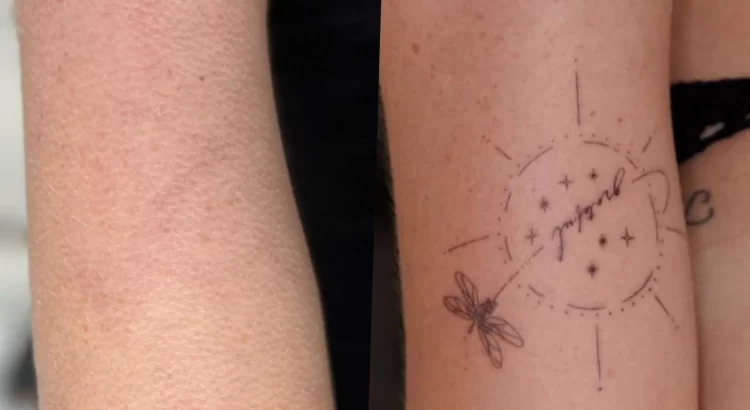
cosmetic tattoo artist tattoo removal

Should I Learn Tattoo Removal Too So I’m Employable?

If you’re stuck on the question “Should I learn tattoo removal too so I’m employable?”, then you’re in good company – the people asking this are some of the smartest new artists in Melbourne, and they’re asking the right question. The truth is, the world of beauty and cosmetic tattooing is growing at a breakneck pace, but so is the demand for corrections and tidy-ups. And that means one thing: salons are after artists who can both create and correct.

Before we get into this, let me give you the lowdown: learning tattoo removal will make you a whole lot more employable – especially in a city like Melbourne, where high expectations, lifestyle demands, and the odd tattooing mishap create a steady stream of clients who need safe and skilled removals.

And the same principle applies to any strong cosmetic tattoo course – the more skills you bring to the party, the easier it is to land long-term, stable work.

Why Learning Skills Makes You More Employable
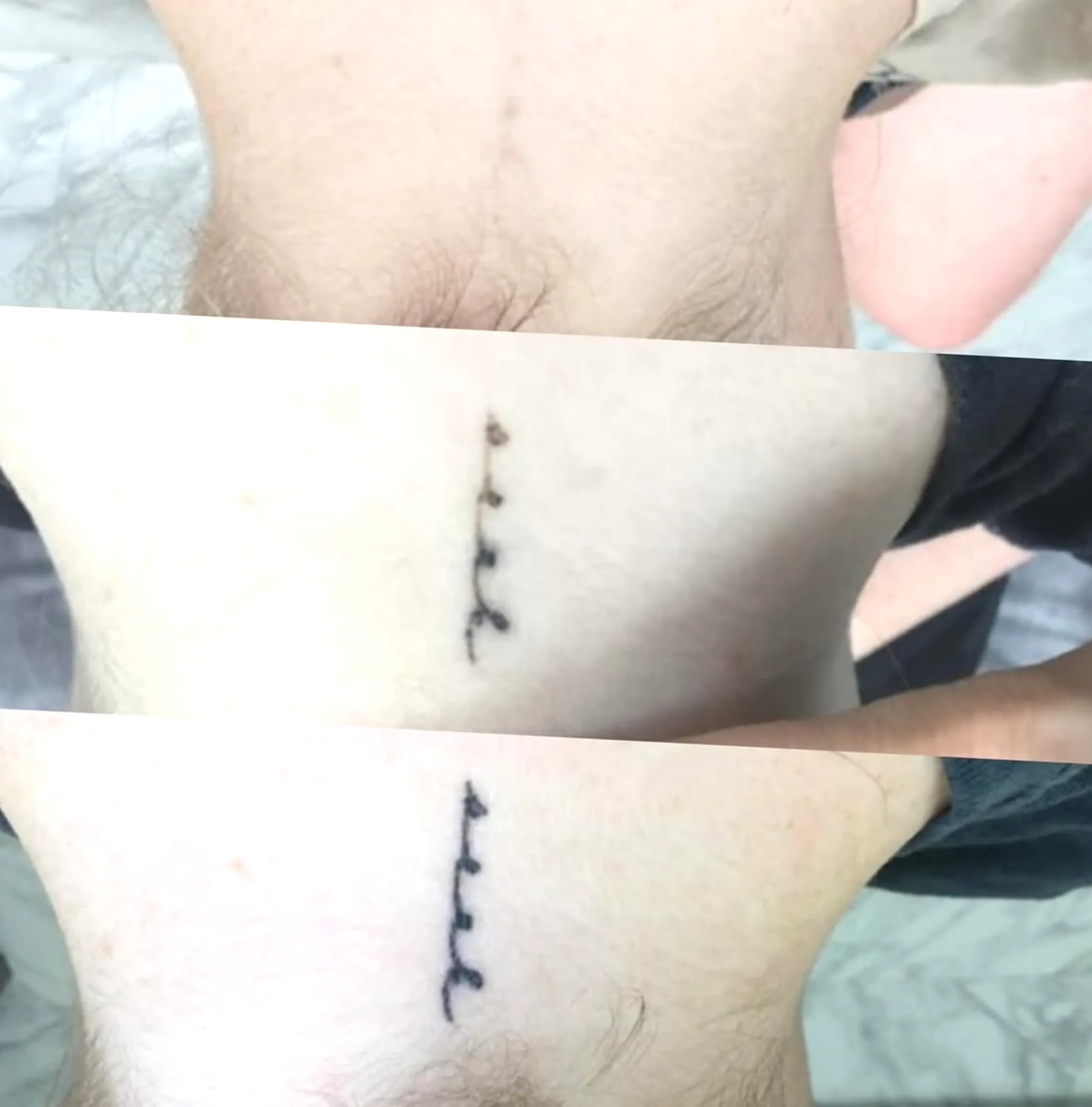
tattoo removal training Melbourne

Tattoo removal isn’t just a fancy extra skill anymore – in fact, it’s fast becoming a must-have for any serious cosmetic tattoo artist in Melbourne. And when the humidity hits, and clients realise their old brow tattoos have gone a bit too wonky, removal is the only option.

Most students tell me they had no idea just how in-depth good tattoo removal courses really are until they learn about how skin responds, how pigment breaks down, and how laser energy works.

In the last two years, industry reports show a whopping 22–27% rise in correction and removal services across Australia, with brow tattooing gone wrong being a major problem. Salons see these numbers, and they start looking for people who can deal with all that.

Here’s the thing: removal-trained artists are problem-solvers – and businesses love problem-solvers.

What You Learn When You Study Removal

Laser tattoo removal training teaches you way more than just how to hold a laser – you’ll dive into the really important stuff like skin types, how it heals, how pigment works, laser wavelength selection, and how to keep a client’s lymphatic system safe. You’ll also learn what you don’t want to tattoo in the first place – that’s a superpower every cosmetic tattooist should have.

Most decent courses (and yes, I mean the ones worth the investment) include:

  • Laser safety certification
  • Skin anatomy and how pigment behaves
  • Contraindications and looking after a client’s medical history
  • Eye protection protocols
  • Laser energy, wavelength and depth – the basics of getting it right
  • Hygiene standards and keeping infection at bay
  • Treatment plans for both body and cosmetic tattoos

And if you’ve done a laser hair removal course, you’ll find that a lot of the safety bits are second nature – especially with eye protection, client prep, and getting the hang of heat-based treatments.

Tattoo Removal Training Snapshot

ComponentWhy It MattersSeen In Good Courses?
Skin anatomy & pigment depthHelps prevent scarring and uneven fading✔️
Laser technology & wavelengthsEnsures correct settings for safe results✔️
Infection control & hygieneProtects both client and artist✔️
Medical history assessmentPrevents adverse reactions✔️
Hands-on training with modelsBuilds confidence and skills✔️
Safety protocols & PPEMandatory for insurance✔️

In Melbourne, the most reputable tattoo removal courses always include hands-on model work because theory alone won’t prepare you for the way different skin types react in real life.

Why Melbourne Salons Want Artists

Melbourne clients are incredibly particular about their cosmetic work – they’re after a natural, elegant look that doesn’t scream “tattoo.” And when things go wrong, they want it sorted ASAP.

I quickly learned just how many of my clients needed old pigment sorted out before I could even think about creating fresh work, which is why I pushed to get trained in removal long before it became the trendy thing to do – that was back on my first cosmetic tattoo course day.

At my studio, Face Figurati, it’s probably at least 3 in every 10 new clients who come in needing some rework or pre-removal because their old brow or lip tattoo just isn’t doing it for them anymore – and that’s especially true after summer when UV exposure messes with pigment tone or when clients with oilier skin types start to blur those fine brow strokes.

A lot of students I know are enrolling in advanced cosmetic tattoo courses because they’ve come to realise just how much easier their brow and lip work becomes once they get to grips with how removal affects pigment depth and future design decisions.

The bottom line is: salons will pick the artist who can solve problems, not create headaches.

Real Studio Moments
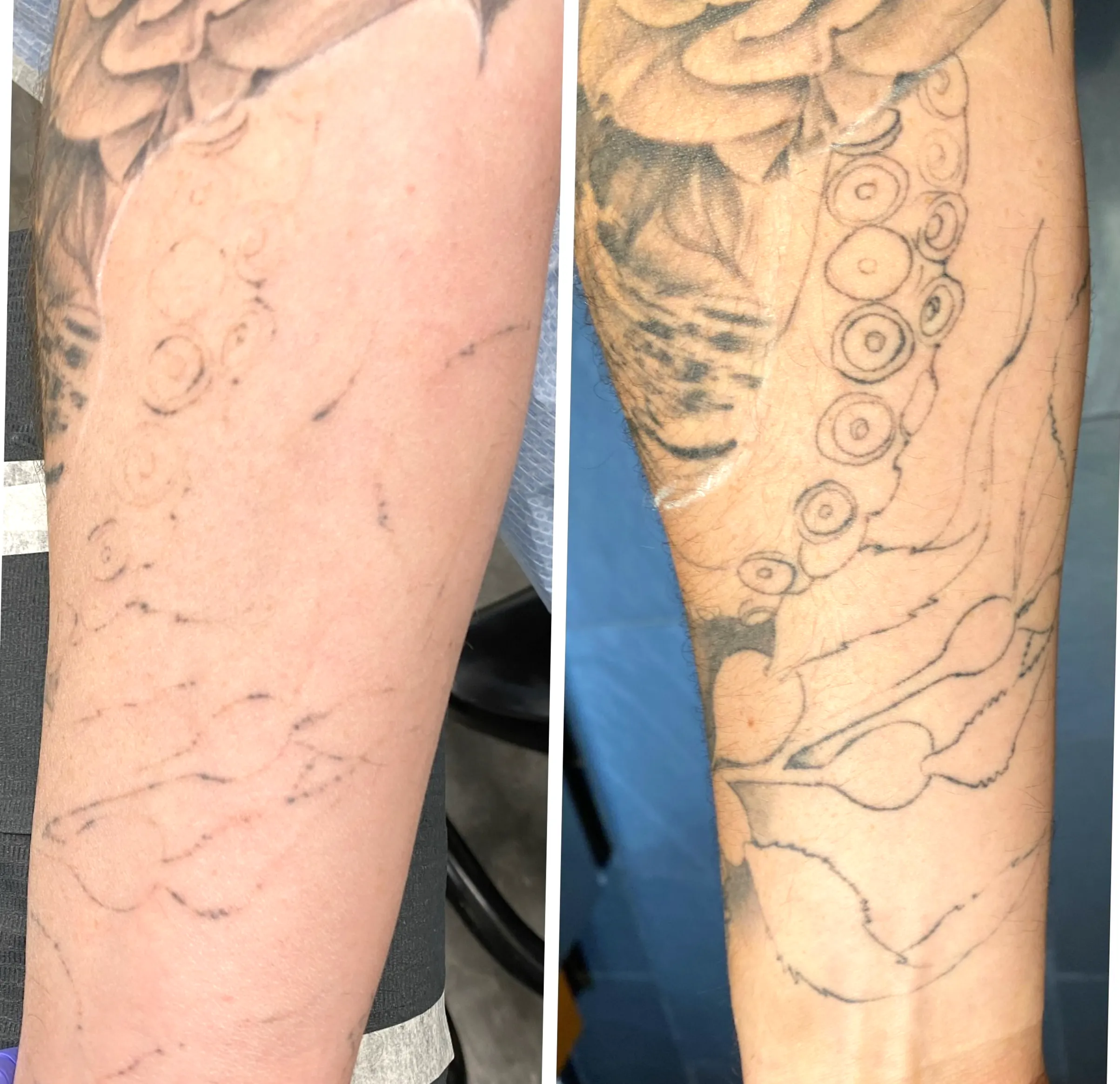
tattoo removal skills for salons

Here are some real-life examples from my Melbourne studio:

Example 1 – Over-saturated Ombré Brows
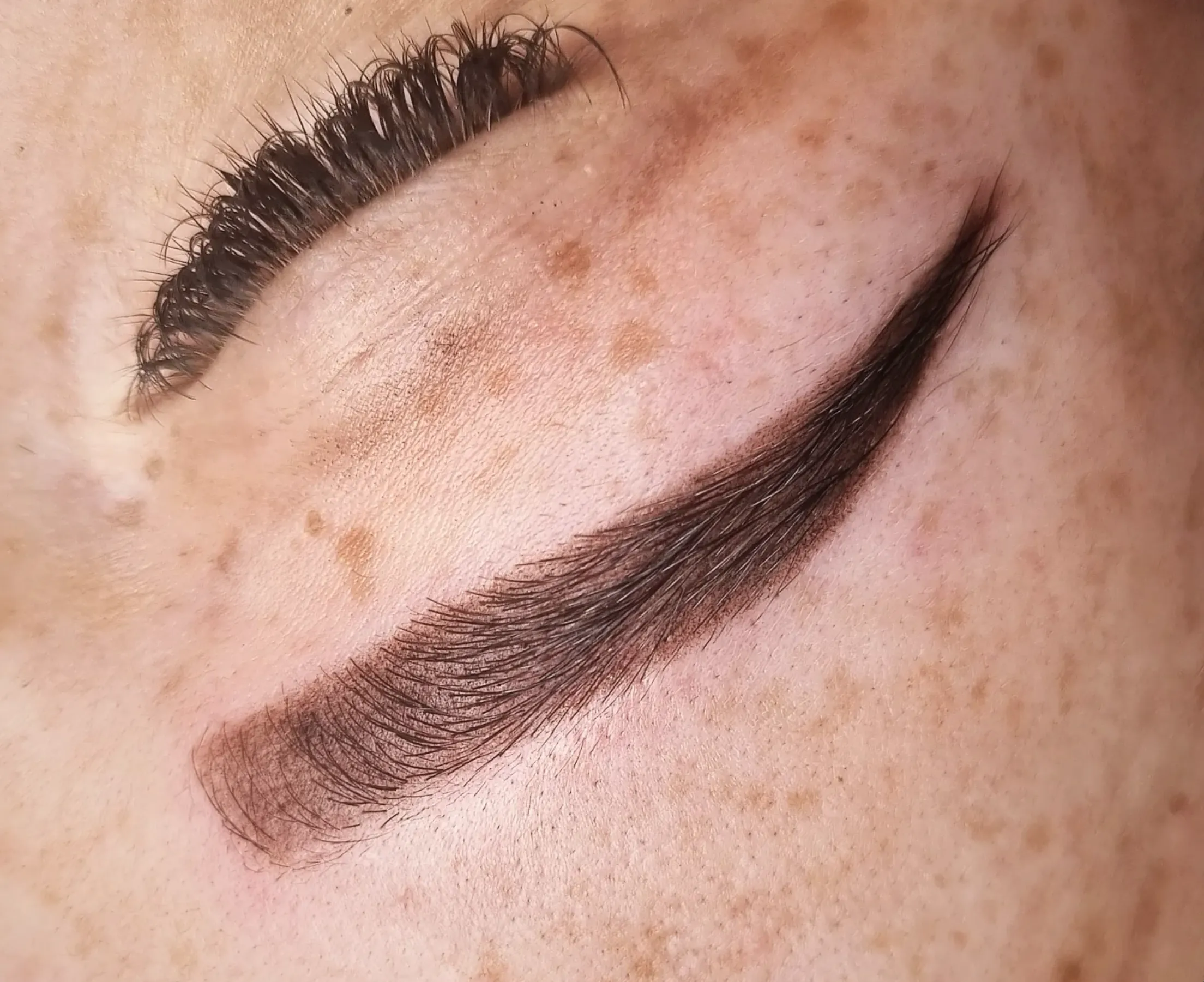
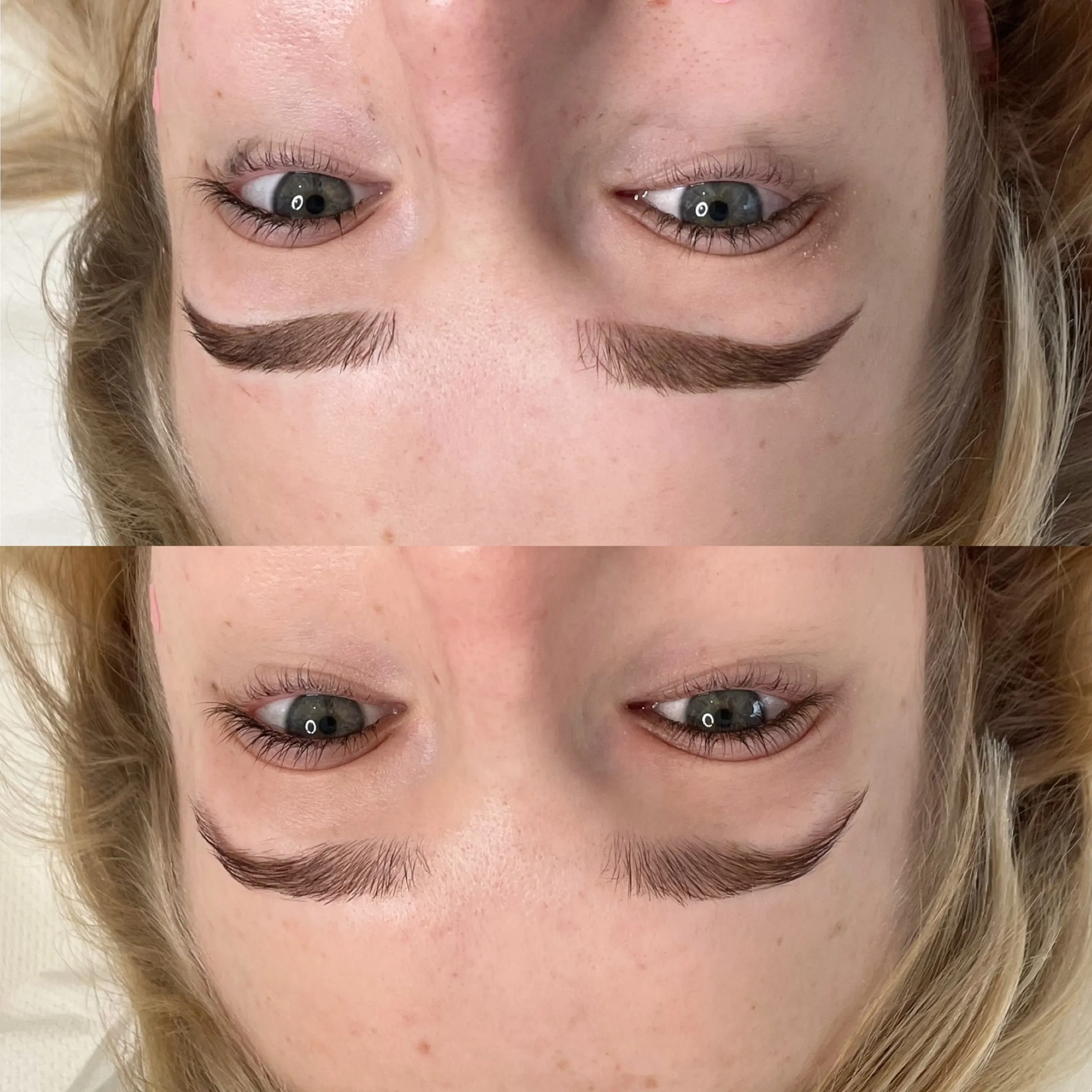
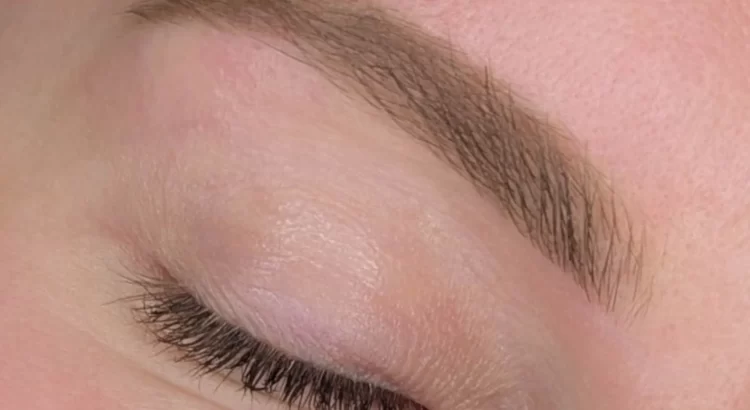
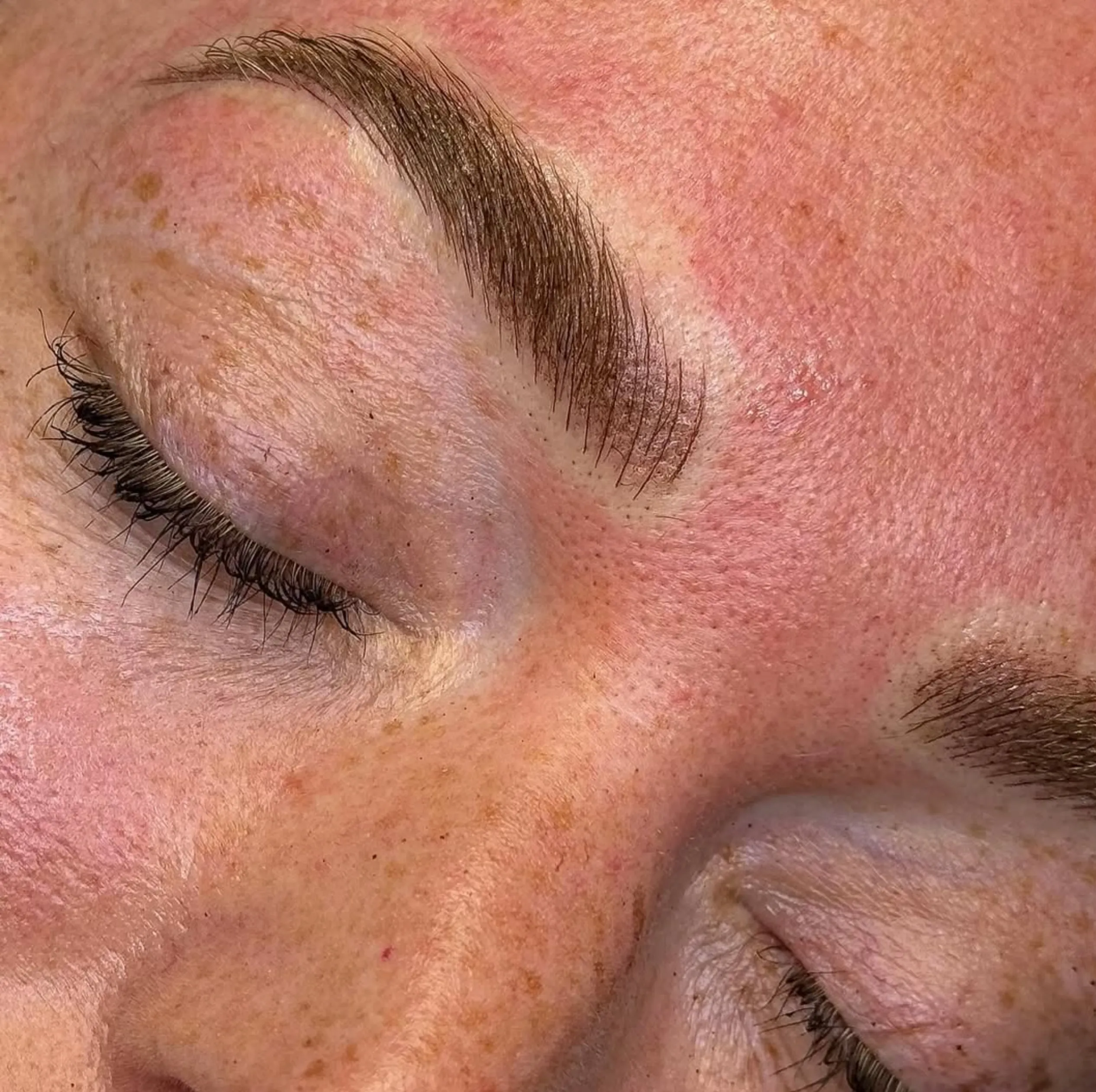
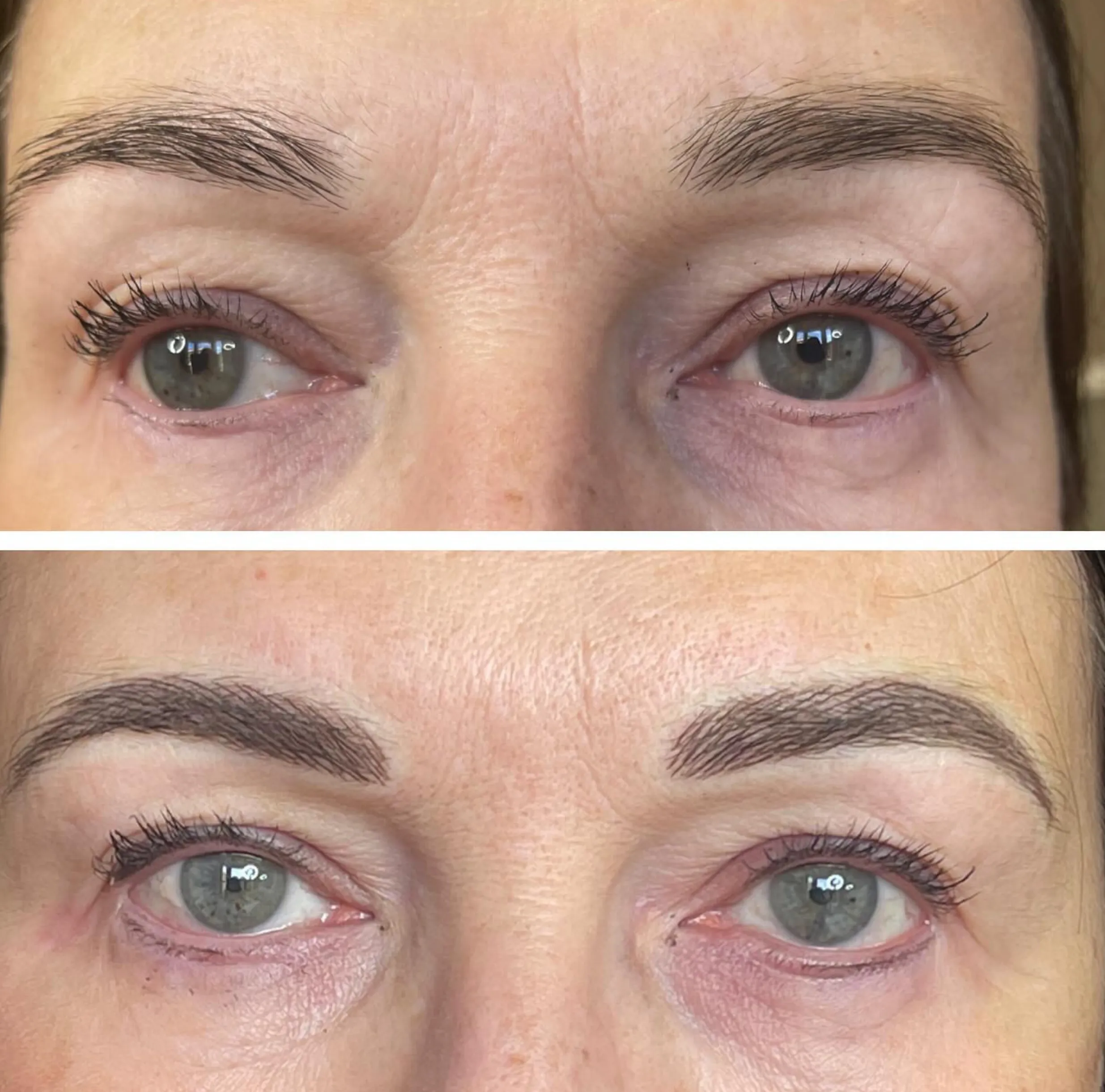
Somebody came in with brows that’d healed way too dark from a previous tattoo. Rather than just layering on more ink, we were able to use one gentle removal session to lighten the area just enough for a natural redesign.

Example 2 – Uneven Lip Blush Borders
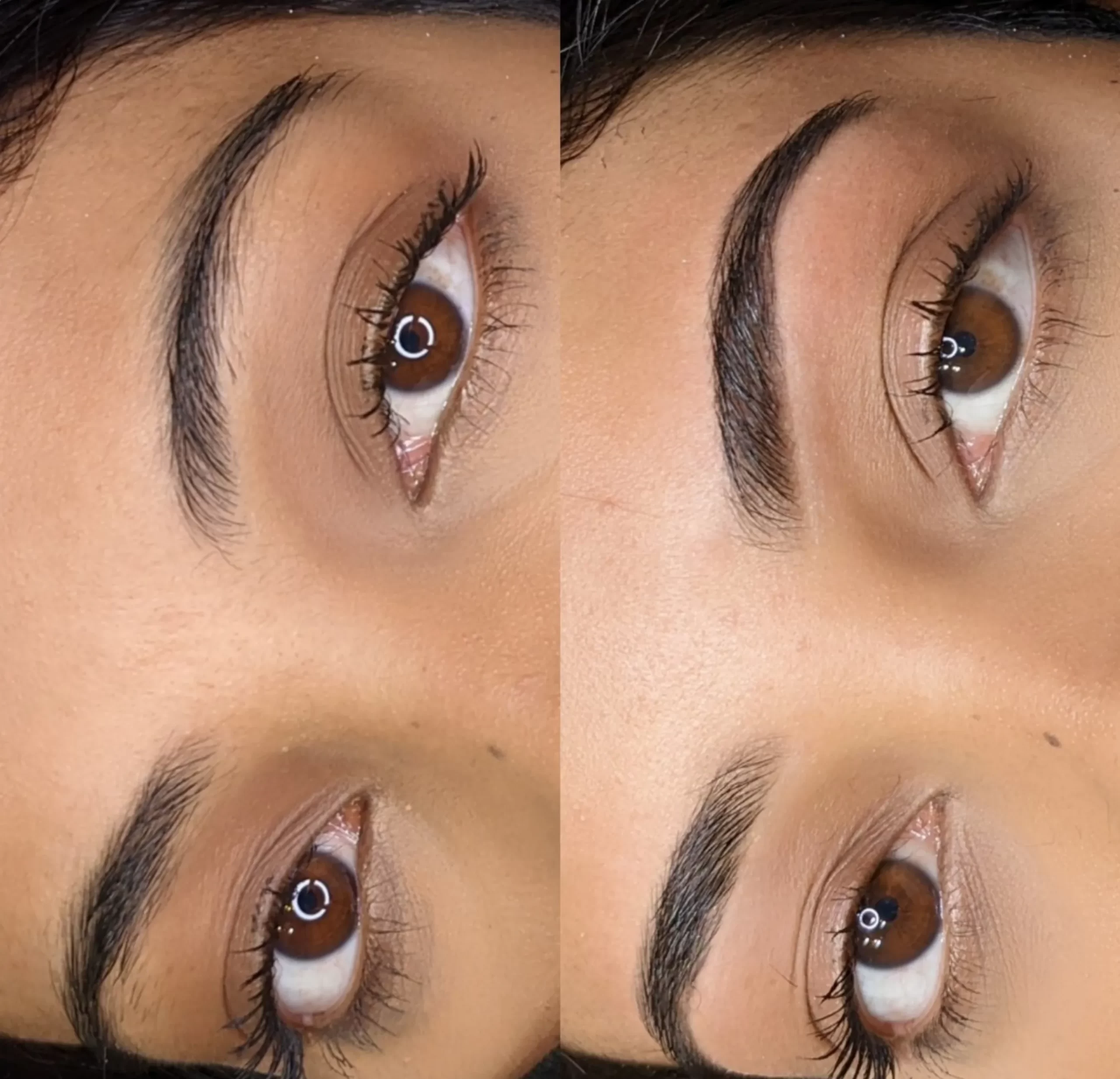
We had another client with borders on their lip blush that were all wonky from an older treatment – without removal skills, we’d’ve been up against a brick wall. One careful pass and the outline was sorted, allowing for a soft, balanced lip blush finish.

Example 3 – Sensitive Skin Types
You’d be surprised how often we get clients with reactive or sensitive skin who can actually tolerate removal better than repeated colour corrections. Understanding when removal is safer than just piling on more pigment keeps their skin healthy – and happy.

These sorts of situations come up all the time in Melbourne – if you don’t know your removal, you’re gonna lose the booking to someone who does.

The Financial Benefits Of Offering Removal
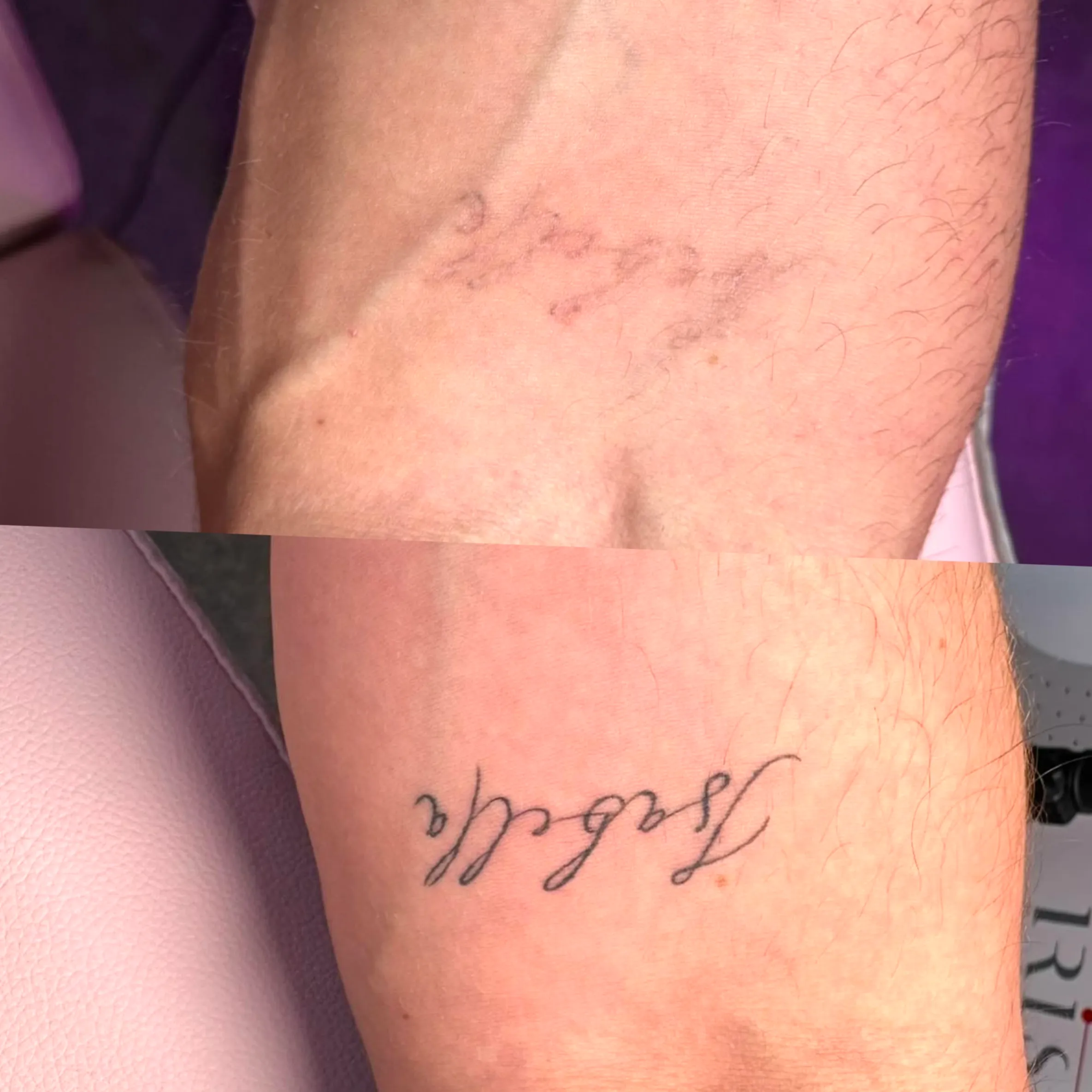
tattoo removal employability

Short answer: yes.

Correction work is one of the most profitable areas of cosmetic tattooing because clients are happy to pay to fix old work they hate.

To give you an idea, compare this to the earning potential of just doing standard cosmetic work…

Income Comparison

ServiceAvg. Melbourne PriceClient FrequencyProfitability
Brow tattoo$550–$980Every 1–2 yearsHigh
Lip blush$650–$1100Every 2–4 yearsHigh
Laser tattoo removal (cosmetic)$120–$220 per session2–5 sessionsVery high
Tattoo removal (body)$150–$350 per session4–12 sessionsVery high

The service practically pays for the course within your first 10–15 removal sessions.

The Skills Gap Artists Miss Until It’s Too Late
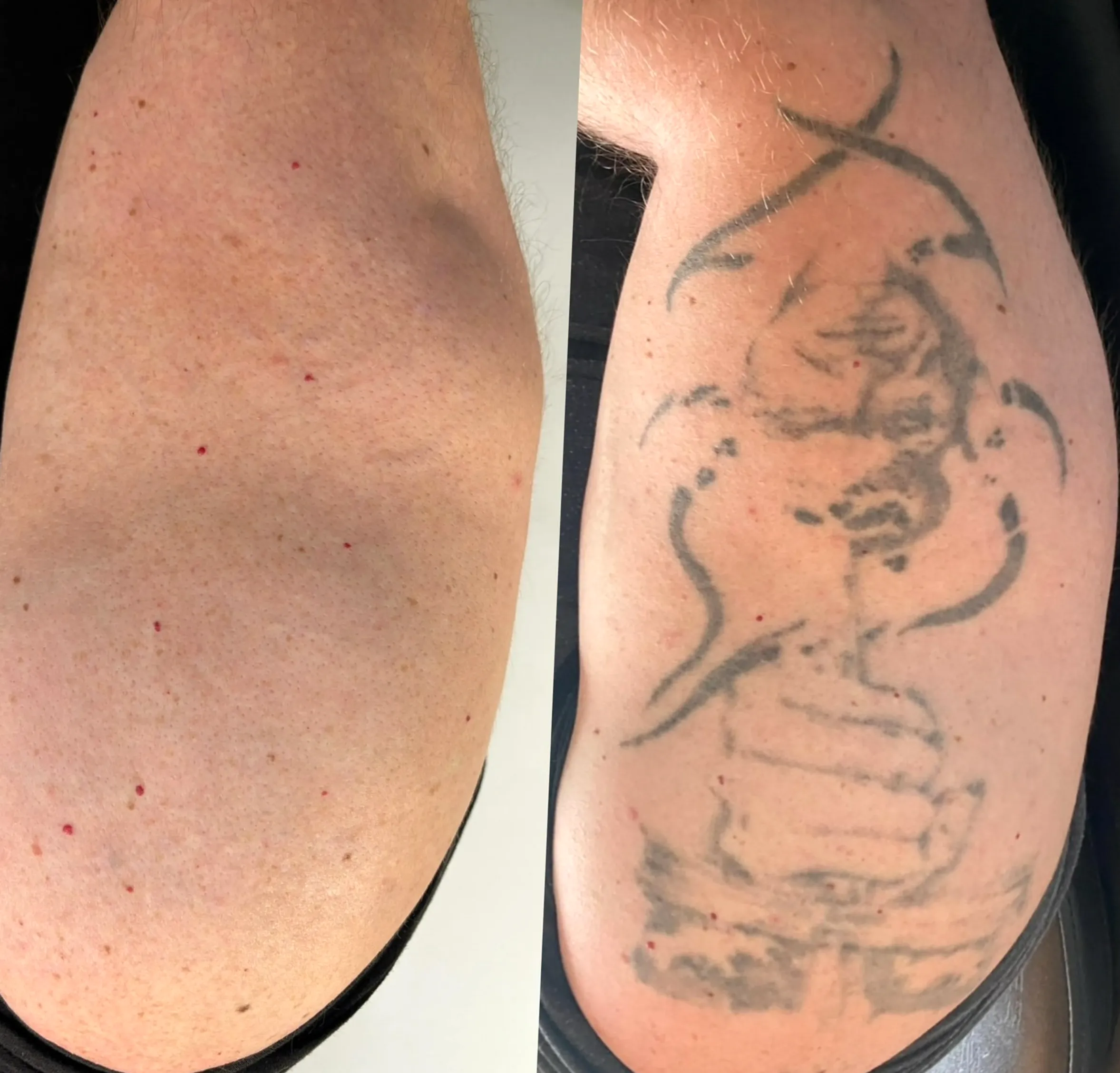
laser tattoo removal career

Every year I meet cosmetic tattoo artists who say the same thing:

“If only I’d learned about removal earlier, I wouldn’t be turning away so many clients”

Here’s the thing:

Over 60% of correction clients need their old stuff lightened before they can get a new tattoo – and that’s just not something you can just wing.

There’s a flood of poorly done brow tattoos coming in from interstate or overseas for fixing up.

As with anything, trends shift over time – and a flimsy old microblading line from 2018 just won’t cut it anymore when that new ‘fluffy’ look is all the rage.

And let’s not forget, over time, our own natural brows will change, and those old tattoos might not be looking so great.

If you’re not able to safely lighten or remove pigment, you’ve got a hard ceiling on your skills – and that’s not a great place to be.

How Knowledge Improves Your Tattoo Work

Think of removal training as that one final piece of the puzzle that makes you a fully-fledged artist with no holes to plug. It makes you:

  • Safer to be around (both your clients and yourself)
  • Way more knowledgeable about the whole process
  • More confident in your abilities – no more second-guessing
  • A hell of a lot more employable
  • A whole lot more trustworthy

And it’s not just about having the skills – it’s about understanding things like pigment chemistry, colour correction and skin depth in a whole new way. That’s the difference between just fixing a mistake and preventing one in the first place.

What Employers Are Looking For in 2026

More and more in the beauty scene here in Melbourne, salon owners are after artists who have:

  • Experience in the field of cosmetic tattooing
  • Proper infection-control certification (because let’s be real, that’s a big deal)
  • Laser safety qualifications (another major plus)
  • Tattoo removal training under their belt
  • A solid understanding of aftercare and healing – a must
  • The confidence to work with all sorts of different skin types

If two applicants turn up and you’re the one who can safely and lawfully do removals? You’re getting the job.

Final Thoughts — And A Friendly Nudge
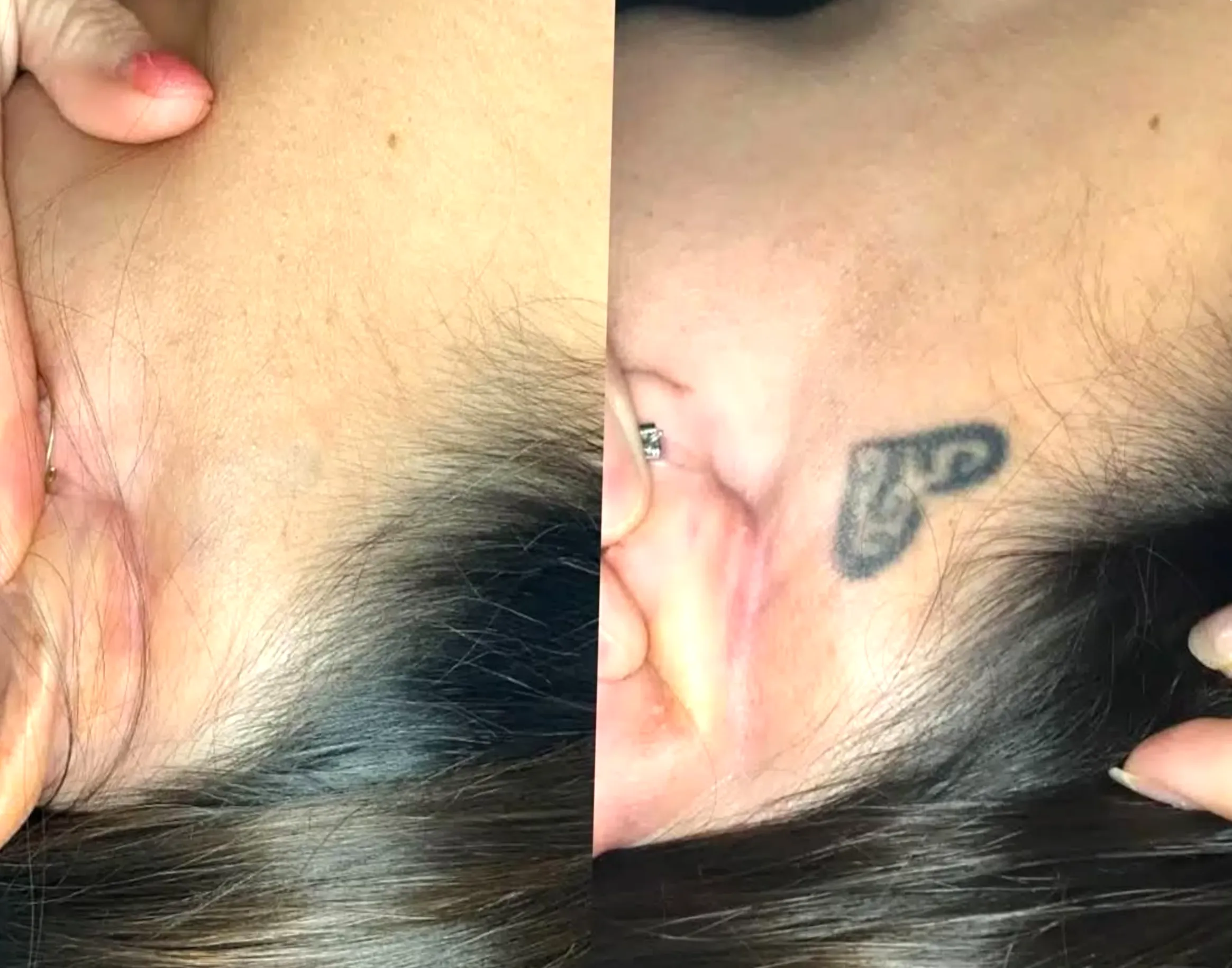
cosmetic tattoo correction training

If you’re serious about building a long-term career in cosmetic tattooing, then tattoo removal training is more than just “nice to have” – it’s what separates you from the rest. Melbourne clients expect high-quality, safe corrective options, and that means salons want artists with the skills to back it up.

If you’ve been wondering, “Should I bother learning removal so I can get a job?” – the answer is a resounding yes.

And if you want real, hands-on education with real clients, then Cosmetic Tattoo Studio Melbourne Face Figurati offers comprehensive tattoo removal courses that will give you the depth, the safety and the confidence you need to make it in this industry.

FAQ

Do I need a licence to do tattoo removal in Australia?

Yep, most states require you to have a laser safety and infection-control certification. But check your state’s rules, because they’ll be different.

Is tattoo removal hard to learn?

It’s technical, but with some proper training and hands-on experience, most cosmetic tattoo artists pick it up quickly.

Does tattoo removal harm the skin?

No way, not when you know what you’re doing. Just pick the right wavelength, fluence and technique, and you’ll be fine.

Are there jobs for removal-trained artists out there?

You bet there are. Loads of Melbourne salons, skin clinics and tattoo studios are looking for artists with removal skills.

Is tattoo removal a good earner?

Yeah, it is – sessions are short, and clients often need multiple treatments, which can mean a real revenue stream.
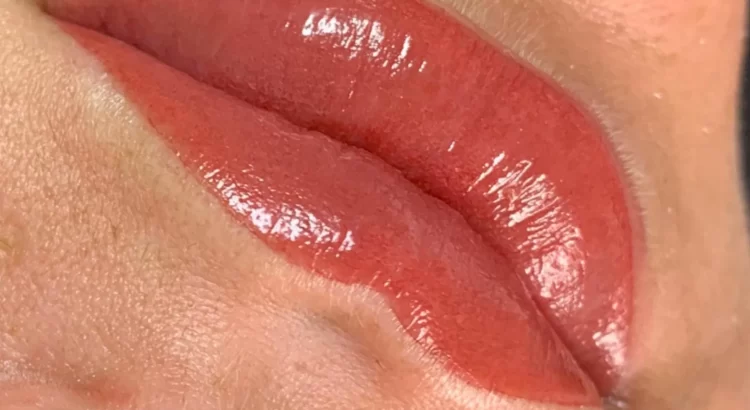
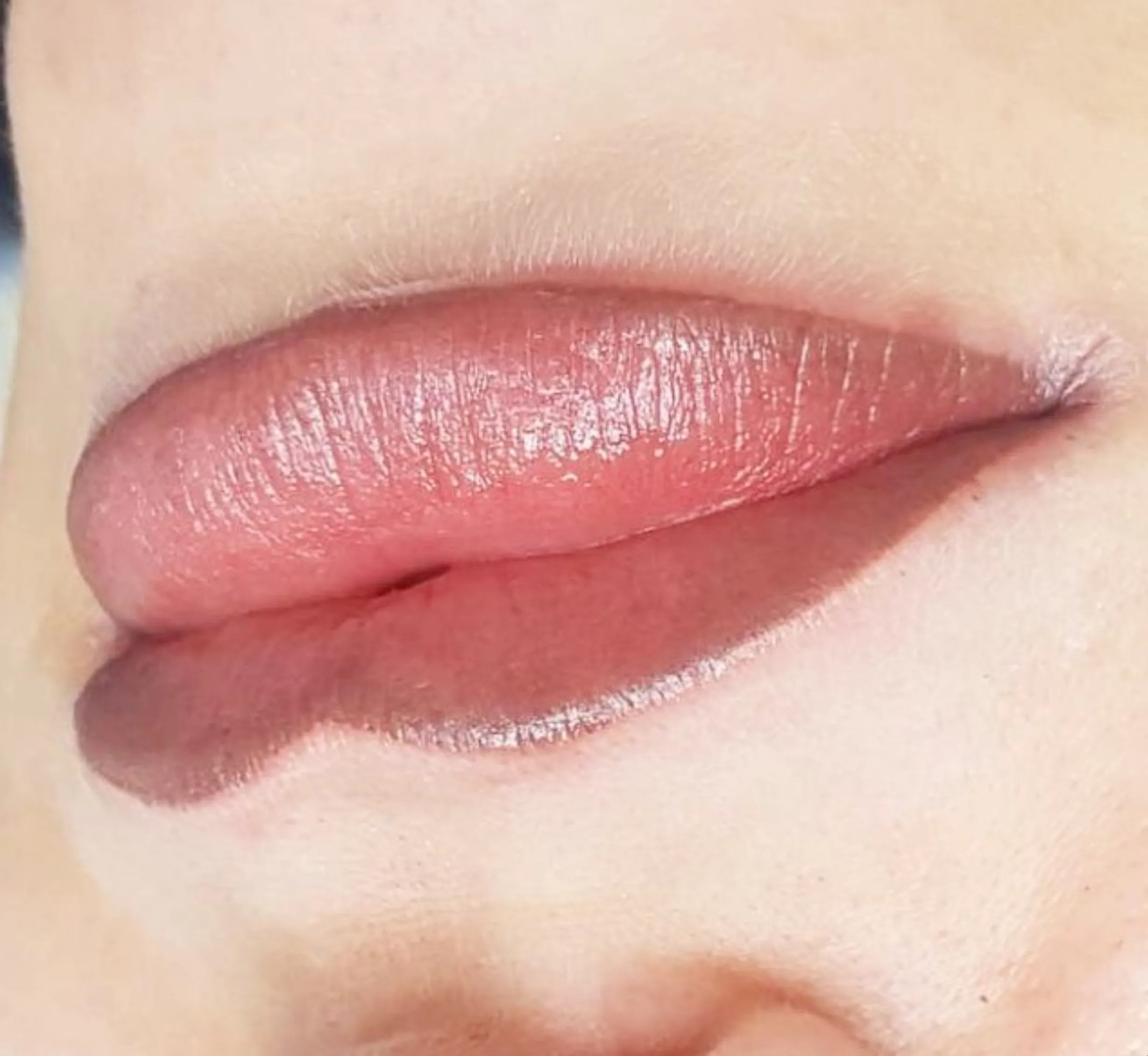
How to Prevent Lip Tattoo Fading

How to prevent a lip tattoo from fading?

So you want to know how to get real results from your lip tattoo? So you’ve got your Lip Blush Tattoo or cosmetic lip tattoo? So you’ve finally booked your Lip Blush Tattoo or cosmetic lip tattoo appointment — or maybe you’ve already been through the healing process and want to make that perfect pout last. Either way, welcome. You’re in the right place if you’re asking how to prevent a lip tattoo from fading. And yes, fading will happen over time — but how fast and how much is up to you (and a bit of good prep and aftercare).

Whether you’re chasing a subtle tint, a crisp lip liner or colour correction, this guide covers what actually works to lock in colour and keep your lips looking fresh, soft and naturally defined.

Factors that affect pigment retention

lip tattoo touch-up timing

Not all fading is preventable — but much of it is manageable. Let’s get to the basics. Pigment retention is affected by your skin type, lifestyle, health and even the weather. If your lip tattoo looks patchy after healing or seems to vanish faster than expected, chances are one (or more) of the factors below is at play:

  • Skin turnover rate (cell turnover): The faster your skin regenerates, the quicker pigment fades.
  • Sun exposure & UV rays: These break down coloured ink and red ink over time. Think of it like fading curtains in the sun.
  • Lip dryness or dehydrated skin: Flaky lips, especially with exfoliating products like glycolic acid or salicylic acid, disrupt the healing stages.
  • Cold sores or trauma: Viral flare-ups (caused by the Herpes Virus) or picking at scabs can lead to pigment loss. If you’re prone to cold sores, prepping early is crucial for successful lip tattooing.
  • Smoking: Nicotine affects blood circulation and lip membrane, which is the colour.
  • Passive: Using harsh skincare products near the mouth can sabotage results.
  • Aftercare not followed: Skipping your tattoo balm, licking lips or using harsh skincare products near the mouth can sabotage results.
  • Underlying health conditions or blood thinning vitamins: These impact the healing process and overall pigment take.

If you’re in Melbourne, don’t underestimate the UV light. Even in winter, sun tanning or daily sun exposure can be intense enough to cause fading if you’re not protecting your pout with lip balm with SPF.

Best habits for longer-lasting lip pigment

lip tattoo sun protection

Simple rituals that pay off in colour payoff. Good pigment retention starts well before your tattooing procedure and continues long after it heals. Think of it like skincare — consistency and care matter more than one miracle fix. Here’s what we recommend to every client:

Before your appointment:

  • Hydrate like it’s your job: Use a nourishing lip balm (we love lanolin or healing balm-based options) and drink plenty of water.
  • Exfoliate gently: Use a sugar scrub or soft cloth to remove dead skin — avoid chemical exfoliants like glycolic acid.
  • Avoid actives and peels: No salicylic acid, AHAs, BHAs, or harsh skincare products near the mouth for at least 5 days prior.
  • Skip alcohol and caffeine: These can increase bleeding and sensitivity during the tattooing process.
  • Prep for cold sores: If you’re prone, take antiviral medication like acyclovir 2 days before. Trust us — cold sores ruin results.
  • Be mindful of medications and vitamins: Avoid anything that thins the blood before your tattooing procedure.

Lip tattoo aftercare starts the moment you leave the studio — the first few days are crucial to support proper pigment bonding and healing.

Aftercare essentials:

  • Stick to your balm: Apply a healing balm or tattoo balm 2–3 times a day for 7–10 days (or longer if needed).
  • Use alcohol-free mouthwash or antibacterial mouthwash: Especially in the first week to maintain good mouth hygiene.
  • Hands off: No picking, peeling, or scrubbing.
  • Avoid steam, spicy food, and sun exposure: All of these slow the healing stage and can alter pigment.
  • No lip makeup or cosmetic tattoos over fresh work: Wait until healing stages are complete.
  • Switch to lip balm with SPF once healed: Helps prevent future tattoo fading from UV rays.

How your skin type and tone influence results

lip tattoo pigment retention

Customised colour, realistic expectations One of the most common things we hear in consults: “Why did my last lip blush fade to nothing?” Often, it’s not the technique — it’s your individual skin type and undertones. Here’s how your unique features affect how colour heals:

  • Mature lips need gentle tattooing technique and longer wound healing time.
  • Melanin-rich lips may need a lip blushing tattoo technique called lip neutralization before colour.
  • Oily skin fades faster, especially around the corners.
  • Very fair skin pulls ash tones if the wrong pigment is used or healing is disrupted.

Whether you’re after a traditional lip tattoo or the softer lip blush method, we adapt our tools and pigments to your needs. Lip blush tattooing isn’t one-size-fits-all — especially when it comes to natural, fuller lips and blending into your natural lip shape and colour.

Lifestyle tweaks that make a difference

It’s not just what you do at the appointment. You can have the best tattoo artist, medical anaesthetic, and pigment — and still lose results early if you don’t support healing at home. These lifestyle adjustments make a real difference:

  • SPF 30+ daily: A clear balm with broad-spectrum SPF is your post-treatment BFF.
  • Don’t skip your touch-up: Most clients need a second session 6–8 weeks post initial tattooing procedure.
  • Avoid harsh products: No glycolic acid, salicylic acid, or vitamin C near the lips.
  • Treat cold sores quickly: Keep antiviral medication handy and start it at the first tingle.
  • Quit smoking if possible: Nicotine dulls colour and affects circulation in the lip membrane.
  • No sun tanning: It fades permanent makeup and worsens pigmentation issues.

Even the most precise lip tattoo cosmetic work needs to be supported by good skincare habits — especially in a climate like Melbourne’s.

Pigment types, equipment, and artist skill

lip blush tattoo fading tips

Why not all tattoos last the same Let’s be blunt: not all cosmetic tattooing is created equal. From the tattoo machine to the dotting technique, your results depend on what (and who) is behind the needle.

Here’s what we do differently:

  • Only cosmetic pigments: Specifically designed for semi-permanent cosmetic tattoos. No body art or traditional lip tattoos here.
  • Digital machines: Allow more control, precision and less trauma.
  • Topical numbing cream: We use quality tattoo numbing cream to manage your pain level.
  • Expert technique: From contouring and blending to mapping the right lip liner, we tailor everything to your lips.
  • Thorough consults: We discuss your shape and colour goals, cold sore risk, and pain level — no assumptions.

Choosing the right artist is everything in lip tattooing — skill, safety, pigment knowledge and realistic planning all matter more than flashy Instagram photos.

Lip blush fading: what’s normal and what’s not

Know when to wait it out vs. when to book a review A bit of fading? Totally normal. Uneven spots? Common. Complete disappearance? Not ideal. Here’s what to expect during the Lip Tattoo Healing timeline:

Healing StageWhat You’ll SeeWhat’s NormalWhen to Call Your Artist
Days 1–3Swelling, bold colourLips may feel tight or tinglyIf swelling increases past 72 hrs
Days 4–7Flaking, drynessSome patchiness or drynessIf lips bleed, crack, or ooze
Days 7–14Faded colourUp to 50% lighter toneIf all colour disappears
Week 6–8Final healed resultNatural tint, even toneIf the colour looks grey or patchy

Final thoughts from the treatment room

avoid fading lip tattoo

A little prep = a lot more pigment. If there’s one thing I wish more clients knew, it’s that healing isn’t the end of the journey. The lip blush tattooing process is part technique, part aftercare, and part your daily habits. The better you prep and protect, the longer your cosmetic procedure lasts.

Want fuller lips with natural tint that lasts? Choose the right tattoo artist, follow proper aftercare instructions, and keep your balm handy. And please — wear SPF.

Here in our Face Figurati Cosmetic Tattoo Studio in Melbourne, we see all kinds of lips walk through the door: fair, deep, cool, warm, dry, sun-damaged, freshly filled. And every one of them needs a slightly different approach when it comes to pigment retention.

Frequently Asked Questions

How long does a lip tattoo usually last before fading?

1.5 to 3 years. Sun exposure, skincare products and your skin type can all affect how long the pigment stays vibrant.

Can I wear lipstick while my lip tattoo is healing?

Nope — not during healing. You’ll need to avoid all makeup, including lipstick and lip gloss, for at least 7–10 days while the area heals. Letting your lips breathe is a big part of proper lip tattoo aftercare.

Will lip blushing work if I have darker lips or uneven tone?

Yes, but you might need a lip neutralisation session first. This helps correct underlying tones so your chosen lip colour heals evenly. We see lots of melanin-rich lips in our Melbourne studio and customise every treatment.

Does lip tattooing hurt?

Most clients describe it as mildly uncomfortable — like a light scratching sensation. We always use a high-quality topical numbing cream to reduce pain level during the tattooing process.

Can cold sores affect my lip blush results?

Yes. Cold sores can cause pigment loss and patchy healing. If you’re prone to them, take antiviral medication like acyclovir before and after your appointment to reduce your risk. A little prep = a lot more pigment.

Who Pays the Most for Scrap Cars Melbourne

Who Actually Pays the Most for Your Car?

Got a clapped-out Commodore sunbaking in the front yard? You’re not alone. We’ve hauled rust buckets out of paddocks, peeled Falcons off nature strips, and even yanked a mothball-riddled Pulsar from a shed that hadn’t been opened since the ’90s. Not all car buyers are created equal — especially when you’re trying to offload that old rust bucket in the driveway. And if you’re asking yourself Who Actually Pays the Most for Your Car?, you’re not alone. We hear it every week from Melbourne locals trying to dodge dodgy offers and figure out who’s actually going to give them a fair go.

Plenty of Options, Few Pay Well

scrap car prices Melbourne

You’ve got more choices than you think. Trouble is, some will waste your time while others could land you in hot water with dodgy paperwork or under-the-table offers. Here’s the quick lay of the land:

1. Private Selling

Trying to flog your old ride on Facebook Marketplace or Gumtree? It can fetch a few more bucks, but you’ll be dealing with tyre-kickers, no-shows, and the dreaded test drive dance.

  • Pros: You might get more than scrap value if it still runs. Some buyers chase specific makes, used cars or parts.
  • Cons: Rego transfer and roadworthy certificate needed in most cases. You’ll likely need to clean it up and play photographer. Listing takes time and you might wait weeks for a buyer.

2. Scrap Yards

Scrap yards offer money for the raw metal, not the car’s sentimental value. They weigh it up, price the metal, and that’s your lot.

  • Pros: No need for a working vehicle. Good option for rust buckets.
  • Cons: They often don’t offer free pickup. You’ll need to get it to the yard yourself.

3. Car Removal Companies (This is where we shine)

Companies like Old Cars Removed offer cash for your old bomb and take care of the whole shebang. We remove it, pay you, and even sort out the paperwork. Rego expired and it’s full of possum poo? No dramas — we’ve seen worse.

  • Pros: Instant cash payments. Same-day or next-day removals in most Melbourne suburbs. No need for rego or roadworthy. Free pickup, even if it’s a cactus.
  • Cons: You might get slightly less than a private sale for a working car.

4. Dealers and Trade-ins

If you’re upgrading, you can trade it in. But don’t expect top dollar — most dealers offer the bare minimum to offload it.

  • Pros: Convenient if buying another vehicle. No private sale hassles.
  • Cons: Often the lowest cash value. Not accepted if the car isn’t drivable.

So, Who Pays the Most?

how to sell unregistered car Victoria

It depends on your car’s condition, vehicle type, and how quickly you want it gone. But here’s a side-by-side look to help:

Option Cash Value Hassle Factor Free Pickup Good for Non-Runners
Private Sale High (maybe) Very High No No
Scrap Yard Low Medium Rare Yes
Car Removal Company Medium-High Low Yes Yes
Trade-In Low Low N/A No

What Impacts the Value You’ll Get?

cash for scrap cars Melbourne

You’ll hear a lot of bluster about who offers the most, but here’s what actually determines your payout:

  • Make & Model – Popular models like Hiluxes, Falcons and Corollas are gold mines for parts.
  • Condition – If the engine turns over or the panels are in decent nick, that bumps up the price.
  • Weight – Scrap metal price is based on kilos, so heavier cars get more.
  • Current Scrap Metal Prices – These fluctuate weekly with the market.
  • Recyclable Parts – Battery, tyres, rims, catalytic converter — they all count.
  • Vehicle Details – The more accurate the vehicle information, the faster we can give a quote.
  • Auto Market Trends – If demand is up for your model, offers will follow.
  • Market Research – Know what similar sales prices are being quoted before you negotiate.

Real Talk: Melbourne Market Snapshot

We’ve seen the average scrap car fetch anywhere between $250 and $900. A complete Commodore with decent tyres might hit $1,200. Meanwhile, a rusted hatch with no battery could be worth $150 on a good day. That’s why we always say:

Not sure if your old car’s worth anything? Send us a photo — we’ll let you know straight up.

We track market demand and gas prices to help calculate what’s fair — and what’s fantasy.

Looking for cash for scrap car Melbourne and need it gone fast? Old Cars Removed is your local crew for honest quotes and instant pickups.

How to Boost Your Car’s Payout

car removal Melbourne

Want to get the most cash for scrap cars? A few simple steps can squeeze out a better offer:

  • Take clear photos – Snap the exterior, interior, odometer, and engine bay.
  • Be honest about damage – Saves time and gets accurate quotes.
  • Don’t strip it – Removing parts lowers your quote.
  • Have ID ready – Vic scrap laws require proof of ownership.
  • Negotiate Prices Confidently – If you’ve done your homework on car prices, you’ll spot a dodgy offer a mile away.

Need to Factor In Finance?

Still paying off a car loan? You’re not the only one. Plenty of folks sell cars with outstanding loan repayments. Just be honest with your lender — some will let you settle the balance with the sale. Keep in mind:

  • Interest rates will affect what you still owe.
  • Some buyers only deal with clear titles — so chat to your bank first.
  • Instant cash for car Melbourne can help clear the loan and ease your monthly cash flow.

And yes — we can still remove financed vehicles if you’ve got the green light from your lender.

Cash or Bank? Let’s Settle It

best car removal company Melbourne

We offer both. While most folks love instant cash for old cars in Melbourne, some prefer a bank transfer to keep things tidy in their bank account. Just let us know your preference.

FAQ

Do I need a roadworthy certificate to sell my car for scrap?

Nope. Car removal companies don’t need it, but private buyers might.

Can I sell an unregistered car in Victoria?

Yes. You just need to prove ownership — like showing your licence and the VIN.

What if I’ve lost the keys?

No dramas. Most removal companies (we included) don’t need them.

Do scrap metal prices change often?

Yep. They can shift weekly based on global demand.
Who’s the best car removal company in Melbourne?

You’re looking at us. Old Cars Removed — quick pickups, fair cash for scrap cars Melbourne, and no headaches.

Cosmetic Tatooing

Is Permanent Makeup a Good Career Choice?

If you’ve ever looked at someone’s perfectly healed brows and thought, “I could do that” — you’re not alone. The rise of cosmetic tattooing (a.k.a. permanent makeup) has made it one of the fastest-growing niches in the beauty industry. But the question still stands: is permanent makeup a good career choice? And more importantly — is it a good career choice for you?

Spoiler: there’s no sugar-coating here. I’ve trained, worked, and mentored in this space for over a decade. I’ve seen artists thrive, and I’ve seen some tap out after a year. So let’s unpack the perks, the pitfalls, and the practicalities.

What It Is and How It Works

melbourne cosmetic tattooing

We’re talking about cosmetic tattooing — not old-school block brows from the 90s, but refined techniques like:

  • Feathered or powder brows
  • Lip blush and liner
  • Eyeliner tattooing (a range of eyeliner styles is available)
  • Freckle tattoos
  • Areola restoration and scalp micropigmentation

It’s semi-permanent, meaning pigments fade over time, unlike traditional body tattoos. That opens the door for trends, corrections, and natural-looking enhancements — but also demands regular touch-ups, sterilisation techniques, and a steady hand.

Cosmetic Tattoo Brisbane Studio Face Figurati is a well-regarded example of how proper technique and high standards can elevate cosmetic tattoo services in a crowded industry. They’ve helped set the benchmark for natural results and ethical client care in the local PMU scene.

The Rush Into PMU: What’s Driving It?

melbourne cosmetic tattoo

Let’s start with the why — because it’s not just about loving brows. It’s about lifestyle, income, and purpose.

1. High Demand, Low Overhead

  • Cosmetic tattooing is booming in Australia, with search volume for “eyebrow tattoo” and “lip blush” surging year after year.
  • You don’t need a massive space. Many artists operate from boutique studios or even home salons (once licensed).
  • It’s one of the few beauty services where each appointment can earn $300–$800+, with minimal product costs.
  • There is constant demand for skilled technicians who deliver high-quality results across a wide range of permanent makeup procedures.

2. Flexible Lifestyle

  • Want to work school hours? Set your own days? Take winter off? PMU can be that flexible — a truly flexible career.
  • Many artists choose to work 2–3 days a week and still earn a full-time income.

3. Real Impact, Real Clients

  • You’re not just doing brows. You’re restoring confidence after chemo, supporting breast cancer survivors with areola tattoos, and helping people feel more themselves.
  • This career offers a deep connection with your client base, and real impact on clients through client interactions and ongoing client satisfaction.

4. Diverse Career Pathways

  • Start with brows, then branch into lips, eyeliner, paramedical tattooing, teaching, or product creation.
  • Many successful careers in PMU evolve into training, mentoring, or product development — it’s a connected career choice with a range of career opportunities.

It’s Not All Instagram and Income

cosmetic tattoos

Social media might make it look like a dream job — but permanent makeup also requires grit, patience, and proper training.

1. Learning Curve Is Steep

  • You’ll be working on faces. One slip, and it’s not just a refund — it’s a reputation hit.
  • Mastering skin undertones, pigment retention, and the application of tattoo techniques takes time and models (many, many models).
  • Permanent makeup artists must build technical skills, active listening skills, and vital skills for client consultations.

2. Regulations and Red Tape

  • Every state in Australia has different rules. You’ll need a tattoo licence, council approvals, infection control qualifications, and sometimes a beauty background.
  • The paperwork matters as much as the pigment — especially for artists aiming to work in medical procedures or post-care services.

3. Emotional Energy

  • You’re holding space for people in vulnerable moments — whether it’s their first brow tattoo or a scar they’ve hidden for years.
  • Building a strong basis with clients and focusing on client satisfaction is key.

4. Social Media Pressure

  • Building a client base takes more than talent. You’ll need to market yourself, post regularly, respond to DMs, and handle cancellations with grace.
  • The beauty trend cycle is relentless. Protect your mental health while staying current with trends in beauty.

How Much Do PMU Artists Earn?

cosmetic tattoo courses

Earnings vary by location, skill, and business model — but here’s a breakdown:

Experience LevelWeekly ClientsAvg. Price Per ServiceWeekly IncomeAnnual Income (Est.)
Beginner (0–1 yr)4$350$1,400$72,800
Intermediate (1–3 yrs)6$450$2,700$140,400
Advanced (4+ yrs)8$600$4,800$249,600

Note: This doesn’t include expenses like rent, insurance, post-care products, quality products, or taxes. But it shows the favourable income potential.

What You’ll Need to Get Started

cosmetic tatoo

A certificate alone won’t cut it. Here’s what really sets successful artists apart:

  • Hands-on training with live models — not just latex skins
  • Solid understanding of skin types, healing, and contraindications
  • Sterile, high-quality tools and a clean, council-approved space
  • Ongoing mentoring and ongoing training with experienced professionals
  • Portfolio building with consistent lighting and healed results
  • Confidence in consults and setting client expectations
  • Proper education from a reputable training program or training centre
  • Comprehensive education in advanced microblading techniques and permanent cosmetics techniques

If you’re considering becoming a cosmetic tattoo artist, it’s worth enrolling in a quality cosmetic tattoo course that offers hands-on support. Some artists start with cosmetic tattoo courses that cover a broad overview, then specialise over time.

PMU Trends in Australia:

  • Natural, soft-focus brows are in — think hyperrealism, not heavy ombré.
  • Lip blush (adding subtle colour to lips) is growing in popularity across all ages.
  • There’s rising interest in scalp micropigmentation and eyebrow microblading, especially in metro areas.
  • Male clients are increasing — interested in lash enhancements and subtle brow shading.
  • Beauty professionals are seeking cosmetic tattoo training as a smart career choice to expand their services.

Who Makes a Great PMU Artist?

This career isn’t for everyone — and that’s okay. You’ll love this job if:

  • You’re detail-oriented and calm under pressure
  • You genuinely enjoy one-on-one work and impactful client experience
  • You’re open to continuous development and beauty sector trends
  • You value artistic skills as well as essential techniques and technical precision
  • You’re an independent artist or beauty salon owner ready to grow your beauty biz
  • You’re passionate about cosmetic tattooing and ready to become a trusted cosmetic tattoo artist in your community

Final Thoughts

Short answer? Absolutely — if you’re ready to commit to the craft, not just the income. Permanent makeup can be a deeply rewarding, flexible, and profitable career. With the right mindset, tools, and training, it’s a wise career path with numerous benefits and opportunities for career advancement.

Whether you’re a veteran beauty therapist looking to specialise, or one of many incoming artists curious about tattoo eyebrow courses — PMU is a popular career choice with real financial rewards and career longevity. Cosmetic Tattoo Brisbane Studio Face Figurati is a great example of what’s possible when passion meets proper education.

FAQ

How long does it take to become a cosmetic tattoo artist in Australia?

It depends on your training path. A foundational cosmetic tattoo course can be completed in a few weeks, but gaining real hands-on experience takes months. Most successful artists undergo comprehensive training and continue learning throughout their careers.

Is permanent makeup a profitable business in 2025?

Yes — demand for skilled PMU artists is high, and the annual income potential is strong. A well-marketed solo artist can earn six figures, especially in metro areas or specialised services.

Do I need a beauty background to start cosmetic tattooing?

Not necessarily, but it helps. Some states require infection control qualifications or prior experience in the beauty industry. Many artists come from lash, brow, or beauty therapy backgrounds.

What’s the difference between cosmetic tattooing and traditional tattoos?

Cosmetic tattoos use specialised pigments, softer techniques, and shallower skin penetration. They’re semi-permanent and designed for facial features, unlike body art.

How do I choose the best cosmetic tattoo training course?

Look for a reputable training program with hands-on training, small class sizes, and real model practice. Check if the trainer is a licensed and experienced cosmetic tattoo artist with a strong healed-results portfolio.

Accredited Teeth Whitening Course

What Qualifications Are Required to Perform Teeth Whitening?

Teeth whitening might seem like something you can grab off the supermarket shelf or book on a whim at your local beauty bar. But here’s the thing: in Australia, it’s not just about shiny teeth and social media trends. There are strict rules around who can legally do teeth whitening—and for good reason.

At Cosmetic Tattoo Brisbane Studio Face Figurati, we’ve always put client safety, legal compliance and results that last first. While we specialise in cosmetic tattooing, we get asked all the time about teeth whitening—especially by beauty professionals looking to add to their skillset or curious about taking a teeth whitening course. And that’s where it’s important to understand the difference between professional training and what’s legally allowed.

I’ve had actual clients come in after DIY disasters and dodgy beauty salon jobs with burns on their gums, uneven results and even permanent tooth sensitivity. So if you’re thinking of brightening your smile, it’s worth knowing who is actually qualified to do it safely and in line with current Australian regulations and safety standards.

Let’s break it down, plain and simple.

The Legal Lowdown

teeth whitening certificate Australia

Teeth whitening is classified as a cosmetic dental procedure under Australian law. That means it falls under the regulatory requirements of the Australian Health Practitioner Regulation Agency (AHPRA) and the Dental Board of Australia.

Here’s what the law says:

  • Only registered dental professionals (dentists, dental hygienists, oral health therapists) can legally do in-chair teeth whitening procedures that involve high-concentration hydrogen peroxide or carbamide peroxide.
  • Over-the-counter teeth whitening products (like whitening strips or low-strength gels under 6% hydrogen peroxide or 18% carbamide peroxide) can be legally sold in pharmacies or used at home, but these must be applied by the client themselves, not by a beauty therapist or technician.
  • Anyone not registered as a dental professional cannot legally apply whitening products to a client’s teeth, regardless of the product strength.

“Providing teeth whitening services without dental qualifications is not only illegal in many cases—it also puts clients at risk of permanent oral damage.” — Dental Board of Australia

The Peroxide Percentage Problem

peroxide training teeth whitening

Let’s talk about that peroxide, because this is where the danger lies. Teeth-whitening products work by using hydrogen peroxide (or its gentler cousin, carbamide peroxide) to bleach the enamel and alter tooth colour.

Peroxide TypeLegal Max Strength (Retail Use)Only Dentists Can Use
Hydrogen PeroxideUp to 6%Over 6%
Carbamide PeroxideUp to 18%Over 18%

So if a beauty therapist or beauty professional is applying anything stronger than those retail limits, they’re breaking the law—and compromising your oral health.

Unqualified Treatments

hands-on whitening course

In my beauty studio, we stick to skin and features—not teeth. Why? Because we know where the legal lines and safety protocols are. I’ve seen clients come in after treatment with:

  • Burnt gums and lips (from peroxide left on too long or misapplied)
  • White spotting and enamel blotching
  • Chemical sensitivity flare-ups
  • Exposed dentine from poorly-fitted trays
  • Infections from unsanitised tools and poor safety measures

These are not just cosmetic fails—they’re serious dental care risks.

What’s a “Qualified” Provider?

cosmetic whitening training modules

Let’s make this super clear: qualified means registered with AHPRA and holding valid dental credentials that meet industry standards.

Qualified providers include:

  • General dentists (Bachelor of Dental Surgery or equivalent)
  • Dental hygienists and oral health therapists working under the supervision of a dentist in dental practices or specialist practices

NOT qualified:

  • Beauty therapists
  • Cosmetic tattooists
  • Hairdressers or lash techs
  • Untrained “technicians” offering online teeth whitening or pop-up office treatments in aged care facilities or shopping centres

If they’re not on the AHPRA Register, they’re not qualified. Full stop.

Why It Matters More in 2025

According to the 2025 Beauty & Wellness Consumer Insights Report, demand for cosmetic teeth whitening in Australia has grown by 31% in the last two years. TikTok trends, influencer culture and easy online teeth treatment options have all contributed.

But so have the injury claims from unregulated dental treatments which have doubled since 2022. The risks are real—and rising.

As more beauty professionals do teeth whitening courses, it’s important to know what’s actually legal to offer as part of your beauty services. Doing a teeth whitening course may enhance your knowledge but it doesn’t make you a qualified dental provider.

Safe Whitening Options

Here’s your menu of safe, legal and effective teeth whitening treatment options:

1. Professional In-Chair Whitening (Dentist Only)

  • Strongest, fastest results
  • Custom trays, gum protection and expert advice
  • Hands-on experience ensures product safety and attentive care* $500–$1,000+ depending on brand and clinic

2. Take-Home Kits from Your Dentist

  • Custom trays for your mouth
  • Controlled use with a treatment plan
  • Maintenance or mild discolouration

3. Over-the-Counter Whitening Kits

  • At pharmacies or online
  • For upkeep, not dramatic results
  • Still need to follow safety precautions

What to Ask Before You Book

beauty industry whitening training

Want to make sure you’re choosing a safe provider? Ask about:

  • Dental registration (check the AHPRA Register)
  • Treatment plan and consultation (Do they screen for medical conditions or dental diseases?)
  • Hands-on training and practical experience
  • Safety protocols and product handling
  • Follow-up care and aftercare advice

If they dodge these questions, they’re not worth your time—or your tooth enamel.

Final Thoughts

Teeth whitening is exciting—but only when it’s done right. In the beauty industry we love transformation but we also value safety, standards and actual client results. That means sticking to qualified professionals for dental treatments.

If you’re a beauty therapist or in training, this could even be part of your learning journey—exploring safe referral pathways and understanding the basics of teeth whitening as part of your broader beauty services education. There are plenty of teeth whitening courses out there, but be sure they are framed as educational, not as a licence to practice illegally.

A whiter smile is great. But doing it safely, legally and with expert care? That’s the real glow-up.

FAQ

Can beauty salons offer teeth whitening?

No, unless a registered dental professional is involved. Most beauty salons don’t meet the legal training requirements for dental-grade whitening.

What happens if an unqualified person whitens your teeth?

You risk gum burns, infections, tooth sensitivity and other oral health problems. Plus services to clients without proper qualifications violate Australian regulations and advertising practices.

Is over-the-counter teeth whitening safe?

Yes—if used correctly. Look for compliant products and always check peroxide levels. Even at-home use should respect safety measures.

How do I find a qualified teeth whitening provider?

Search the AHPRA Register. Book at a dental clinic with professionals trained in dental products and teeth whitening procedures.

Can I take a course to offer whitening as a beauty professional?

Only dental professionals can perform the procedure legally. However if you’re interested in career opportunities consider person courses that teach quality regulations, hands-on training and referral skills for beauty therapists.

What do window cleaners use to clean high windows?

What do window cleaners use to clean high windows?

Cleaning high windows is not for the faint-hearted. Whether it’s a two-storey home or a skyscraper, high-rise window cleaning requires a combination of skill, experience and the right tools. As professional window cleaners in Melbourne, we get asked all the time how we manage to get to such heights and get a streak-free finish. This article will go through everything window cleaners use to clean high windows, from extendable poles to rope access systems, we’ll take you through the techniques and tools used in the industry.

Whether you’re a property manager looking to hire a crew or a homeowner curious about what goes on behind the scenes, this guide will give you practical advice and insights from the field. In this guide, we’ll also explain why Window Cleaning Melbourne is the trusted choice across suburbs and city skyscrapers.

water-fed pole window cleaning

Why Cleaning High Windows

When we talk about cleaning high windows, we mean it literally. Windows that are out of reach, the usual bucket and squeegee won’t cut it. High windows pose additional challenges:

  • Accessibility: Not all areas are easily accessible from the ground or via ladders.
  • Safety: Working at height is a big risk without proper training and equipment.
  • Efficiency: Covering large areas quickly without streaks requires specialised tools.
  • Regulation compliance: Australian safety standards require certified methods for high-rise work.

That’s why professional window cleaners use a range of specialised tools, including durable materials and window cleaning software, to ensure every window surface is spotless and safe. If you’re looking for options for high or hard-to-reach areas, High Rise Window Cleaning might be the solution for you.

Water-Fed Pole Systems

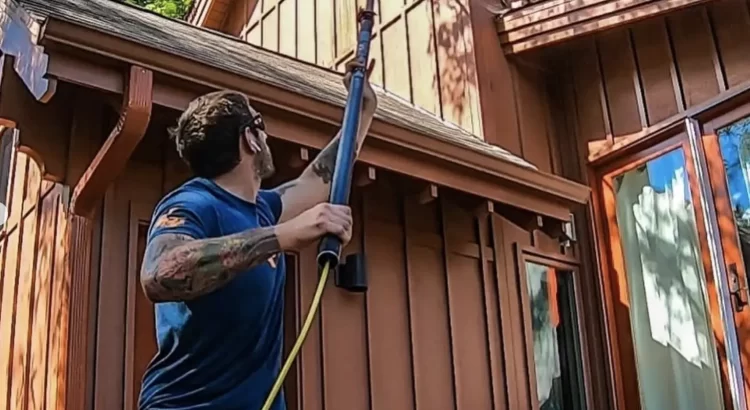
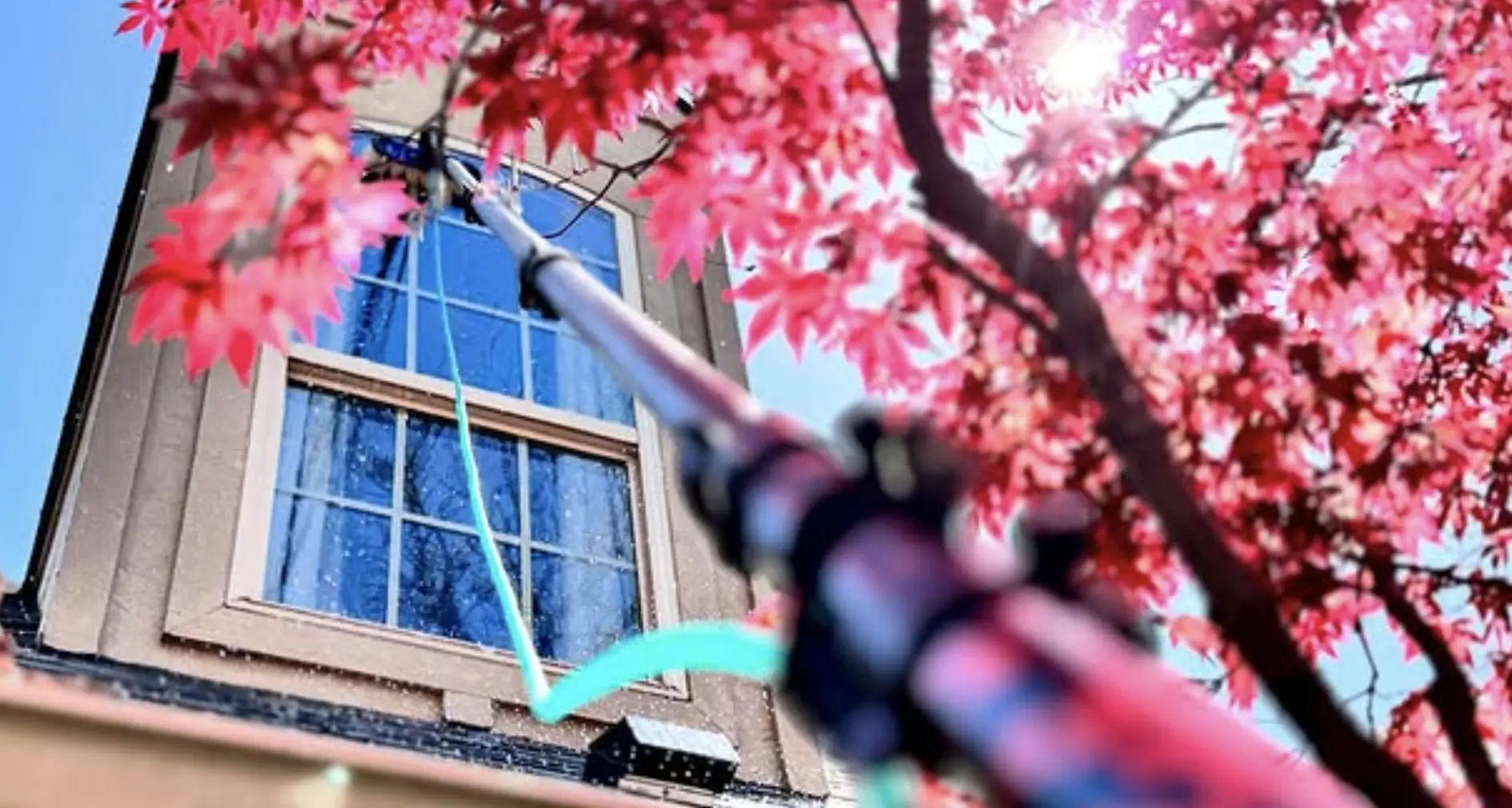
A modern high-rise window cleaning staple, water-fed pole systems use purified water pumped through telescopic poles. These extendable pole setups can reach up to 20 metres or more, perfect for 2-4 storey buildings and glass windows.

How it Works

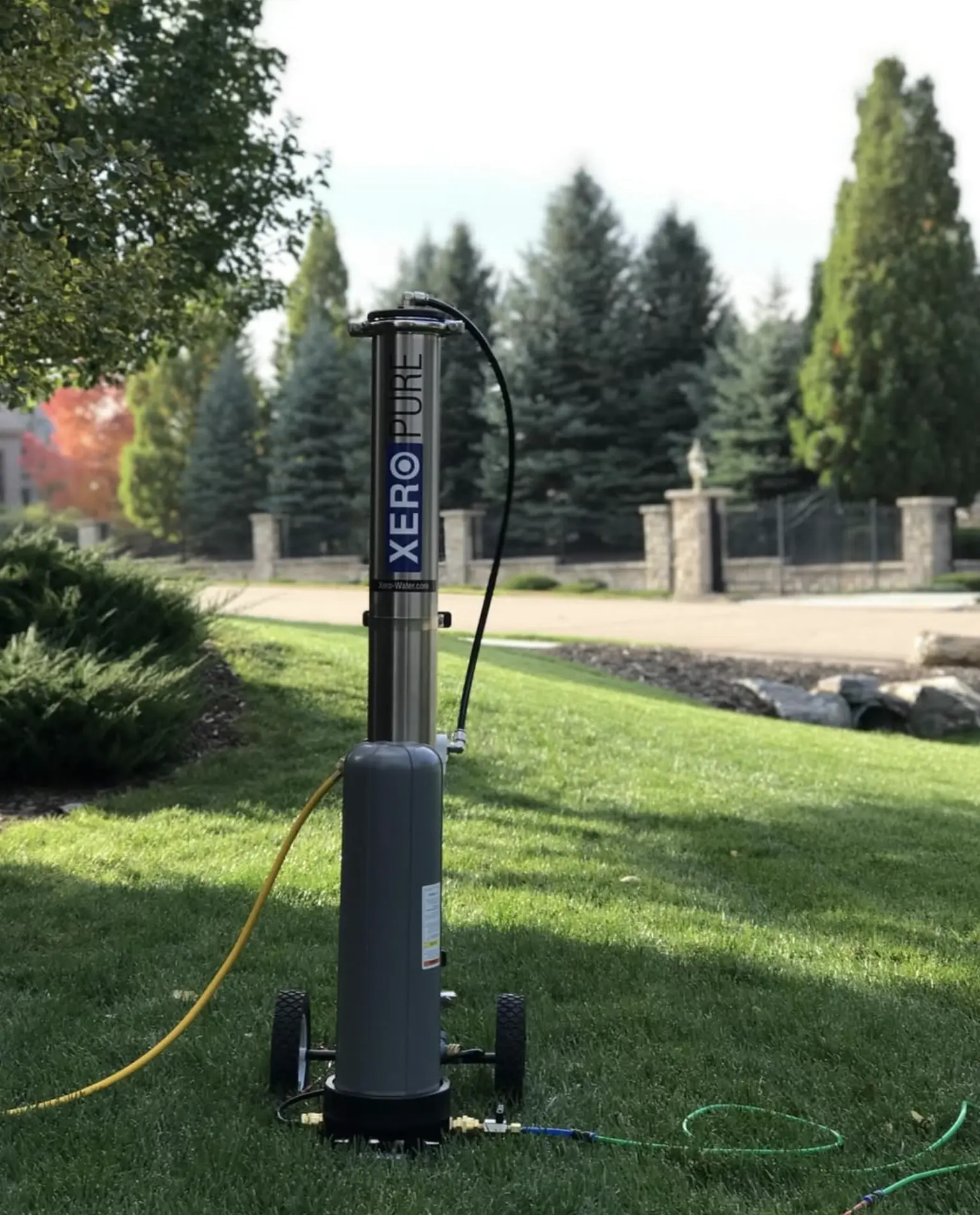
  • Water is deionised to remove minerals and contaminants.
  • Purified water is pumped through a water-fed pole cleaning setup.
  • Soft-bristled brush agitates dirt while pure water rinses it away.
  • No need to dry—clean, water evaporates without streaks or water marks.

Advantages

  • Safe: All work is done from the ground.
  • Eco-friendly: No commercial products or dish soaps are used.
  • Efficient: Ideal for the frequent cleaning of commercial windows and residential properties.

We use water-fed poles for most of our Melbourne window cleaning jobs. They’re great for hard-to-reach windows like story windows, skylights or glass surfaces on upper floors.

what do window cleaners use

Extension Poles with Traditional Tools

For windows not suitable for water-fed systems, we use extension poles with traditional window washing tools:

  • Window squeegees for a streak-free clean.
  • Applicators with micro-fibre cloth sleeves for applying soap solution.
  • Glass scrapers and scraper blades for removing bird droppings and stubborn marks.

Tip from the Field

We often mix warm water with a few squirts of detergent or a window cleaning solution to combat food stains and stubborn dirt. Using microfiber cloths or absorbent cloths ensures streak-free results even in direct sunlight. Many window cleaners Melbourne-wide use this method for the clarity and consistency it brings to each job.

how to clean high windows

Rope Access (Abseiling) Systems

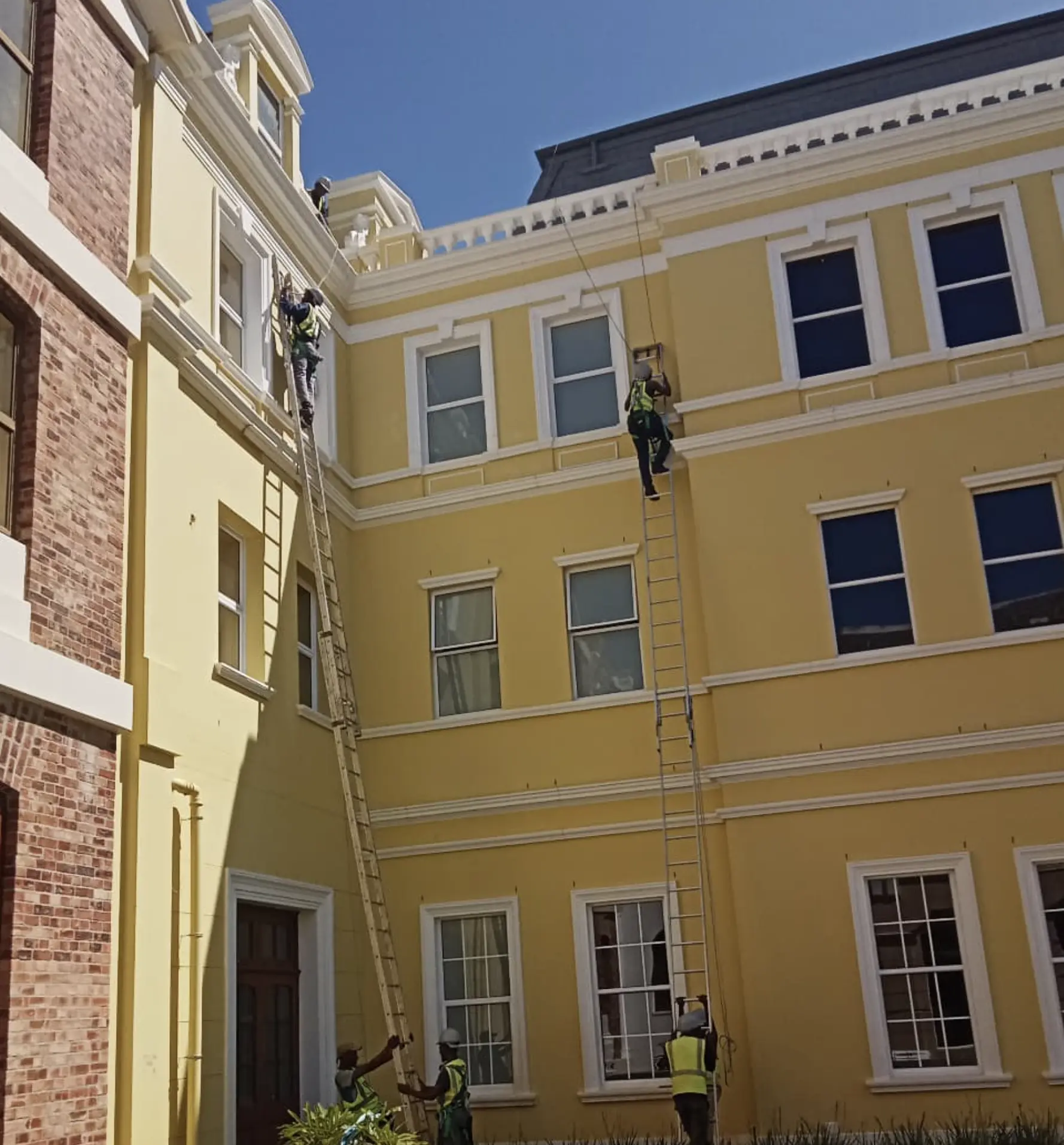
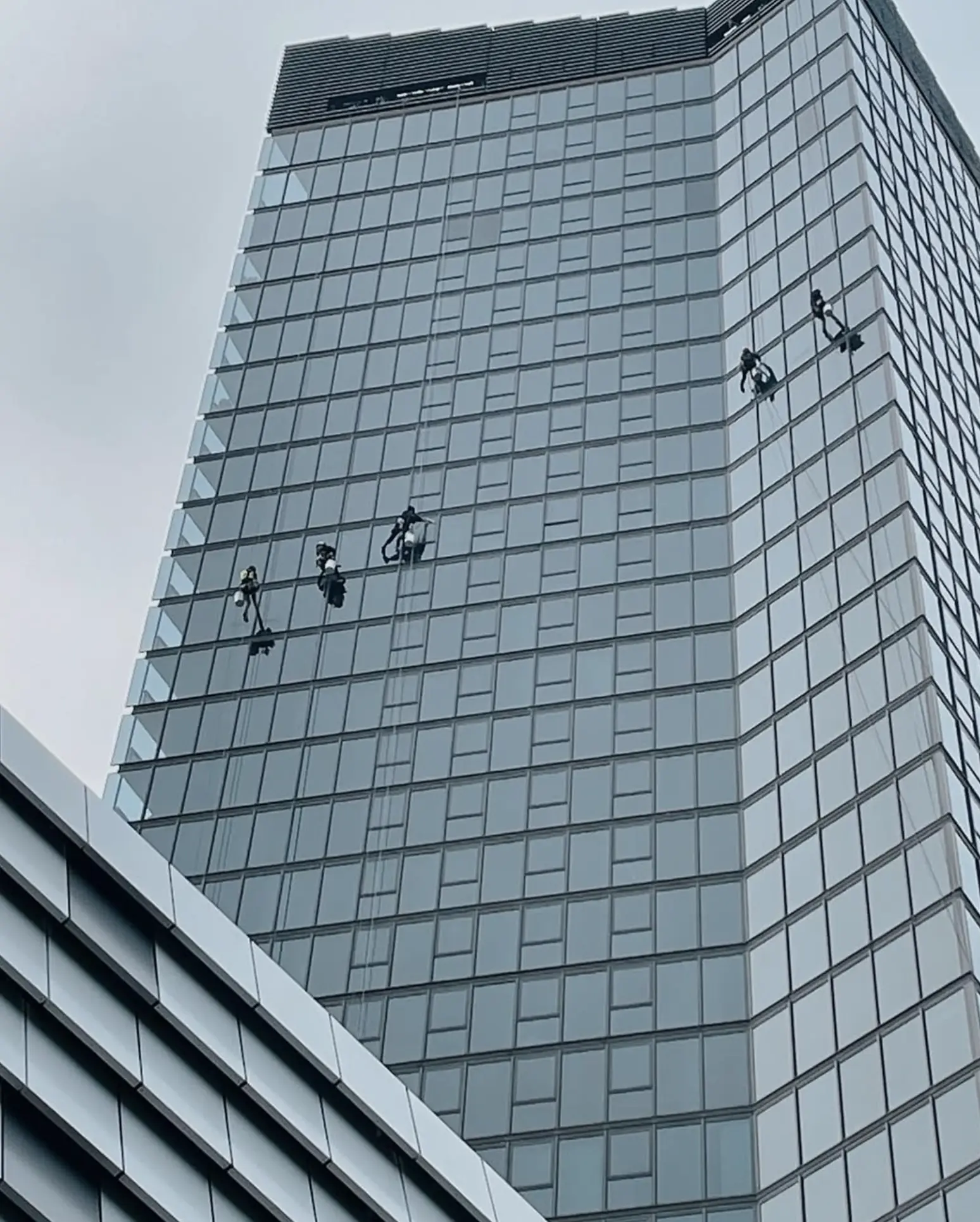
For tall buildings and commercial buildings, rope access window cleaning is the best way to clean windows. Rope access technicians descend using safety harnesses and rope systems to clean exterior windows with precision.

What’s Involved

  • Anchors are installed on the roof with full safety gear.
  • Technicians carry a rectangular bucket or a 5-litre bucket with window cleaning supplies.
  • Lint-free cloth, soft cloth, surgical towel and aerosol spray for detail work.

Benefits

  • No need for big ladders or windows without ladder access.
  • Minimal disruption for business owners.
  • Detailed results are even on high-rise windows and window screens.

High window Cleaning is required for buildings where ladders and lifts can’t reach. Our certified team uses rope access methods across Melbourne.

rope access window cleaning

Elevated Work Platforms (EWPS)

Where water-fed poles can’t reach and rope access isn’t possible, elevated work platforms (EWPS) such as boom lifts are used. These platforms allow access to entire surfaces of commercial buildings, especially those with French window panes or complex designs.

EWPS are also great for cleaning windows on multi-story homes and reaching upstairs windows safely, with all safety instructions and professional window cleaning service standards.

Window Cleaning Melbourne services often include EWP access for properties that need extra height coverage without compromising safety.

professional high window cleaning

What Determines Tool Choice?

The method and tools we use depend on:

FactorInfluence
Building typeResidential properties may only require water-fed poles, while commercial buildings often need rope access or EWPS.
Height and difficulty of accessThe taller or more complex the façade, the more advanced the tools.
Type of windowsTinted or old glass requires gentle cleaning solutions.
Frequency of cleaningFrequent cleaning allows lighter equipment; infrequent cleaning may need deep scrubbing.
Weather conditionsWind, heat, and rain affect the choice of detergent and tools.

Local Know-How Matters

From beachfront apartments in St Kilda to office towers in the CBD, Melbourne window cleaning is unique. High-rise buildings with modern facades require different gear than older double-storey homes in leafy suburbs.

At Window Cleaning Melbourne Crew, we’re equipped for every situation. Whether it’s high-rise window cleaning Melbourne locals trust or detailed work for commercial properties, we bring the tools, training and expertise to every job.

Final Word

You might be tempted to clean upper-floor windows yourself with a basic ladder and hose. But high window cleaning is best left to the professionals — for your safety and the best results.

The combination of special gear, training and experience means:

  • Less risk of injury.
  • Faster and better cleaning.
  • Longer-lasting streak-free finish.

Whether it’s commercial windows or a family home, regular window cleaning keeps your property looking fresh and well-maintained.

FAQ

Can I clean high windows myself with a hose or ladder?

It’s risky and often ineffective. Without the right tools like water-fed poles or safety harnesses, you could damage the glass or put yourself in danger.

How often should high windows be cleaned?

Every 3-6 months is ideal, depending on weather, pollution and traffic. Regular cleaning reduces long-term buildup and maintains the clarity of glass windows.

What’s the cost of high window cleaning?

Prices vary depending on access difficulty, building height, number of window panes and overall size. Residential window cleaning starts from $150, while commercial jobs are quoted on a case-by-case basis.

Do window cleaners work in bad weather?

We avoid high winds, heavy rain or extreme temperatures for safety reasons. Light rain won’t always cancel a job, but safety is always the top priority.

Are water-fed poles better than traditional methods?

They’re great for certain applications, especially where safety is a concern. But traditional squeegee methods still offer the best finish for detailed or small paned windows.

Eyebrow Tattoos

Fix Bad Eyebrow Tattoos: Expert Tips & Solutions

Eyebrow tattooing in Melbourne are a way to get perfectly shaped and defined brows. But like any cosmetic procedure, there can be times when the results don’t meet expectations. Whether it’s due to an unskilled technician, fading pigments or simply a change of heart, an eyebrow tattoo gone wrong can feel overwhelming. The good news is there are solutions to fix and improve your brows. Here’s everything you need to know.

1. Assess the Situation

best tattoo eyebrows

Before you do anything, you need to assess the extent of the problem. Common issues with eyebrow tattoos are:

  • Uneven shapes or asymmetry
  • Too dark, too light or mismatched colours
  • Poor pigment retention
  • Faded or discoloured pigments (e.g. blue or red)
  • Thick or unnatural-looking strokes

Assessing these issues early will help guide you towards the correct correction method. Remember your skin type, the initial treatment and even oily skin can affect how your tattoo heals and looks over time. Consulting with a microblading professional or an experienced eyebrow tattoo artist is the first step to figuring out what to do.

2. Your Options

cost of eyebrow feathering

There are several ways to fix or improve a bad eyebrow tattoo. The right approach depends on the issue:

a. Tattoo Lightening or Removal

When you have excess eyebrow tattoo pigment or wrong shapes, removal treatments may be necessary:

  • Saline Removal: A saline solution is applied to lift the pigment from the skin, it is safe and effective for most skin tones.
  • Laser Removal: Best for darker pigment tattoos, this targets specific colours. However, some chemical solutions or dark tattoos may require additional treatment.
  • Acid Treatments: Mild chemical peels or glycolic acid can lift pigment but should only be done by professionals.

b. Correction with Tattooing

For faded or discoloured pigment, cosmetic tattooing corrections can work magic:

  • Colour Correction: Adding neutralising pigments to balance mismatched colours.
  • Shape Adjustments: Fixing asymmetry and getting a more natural brow shape with strokes that mimic real hair.
  • Follow-Up Sessions: A microblading touch-up or additional tattooing can often fix incomplete or uneven work.

c. Camouflage and Cover-Up

eyebrow feathering prices

Temporary solutions like concealers or makeup can provide a quick fix while you wait for more permanent corrections. In some cases, a cover-up tattoo can fix flaws or hide unwanted pigment altogether.

3. Get an Expert

Correcting an eyebrow tattoo is a specialized job that needs to be done by a trained brow technician or tattoo removal expert. Here’s what to consider:

  • Check for full training and qualifications.
  • Ask for a free consultation to assess your situation and the correction process.
  • Read reviews and look at their portfolio to make sure their style is what you like.

Don’t go to someone with basic training as a bad correction can make it worse. Get an expert in permanent makeup corrections to ensure safe and good results.

4. Healing

After any correction procedure, aftercare is key to avoid complications and get the best results. Follow these aftercare instructions:

  • Don’t touch or pick at the tattooed area.
  • Keep the area clean and dry during the healing period.
  • Apply any ointments or aftercare products recommended by your artist.
  • Protect the area from too much sun to prevent pigment colour change.

Healing times will vary depending on your skin type. Dry skin will heal faster than oily skin which holds pigment differently.

5. Prevention for the Future

tattoo eyebrows price

Once your brows are corrected, take care to prevent future problems:

  • Go to an experienced artist with a good reputation in cosmetic tattoos.
  • Always ask for client forms and discuss your skin type and expectations during the consultation process.
  • Don’t go to artists who offer cheap microblading as poor quality work can cause permanent skin damage or bad tattoo effects.

Also, understanding the microblading process and healing process beforehand will ensure your expectations are met with the end result.

6. Brow Maintenance

Once you have the perfect tattooed brows, maintenance is key to keep them looking great. Book in for regular microblading touch-ups to maintain the colour and shape. Over time pigments will fade due to skin cells shedding or external factors like sun exposure. Skilled technicians can keep your brows looking fresh and natural.

Conclusion

Lip tattoo

Correcting a bad eyebrow tattoo can seem scary but with the right correction method and aftercare plan you can get beautiful natural-looking brows. Trust an experienced professional, be patient during the whole healing process and take precautions to ensure your next cosmetic tattoo is a success.

FAQ

Can a bad eyebrow tattoo be fixed?

Yes, removal methods like saline solution, laser removal or acid treatments can get rid of unwanted pigment. However, multiple sessions may be needed depending on the depth and colour of the tattoo.

How long does it take to fix an eyebrow tattoo?

It depends on the method and severity of the issue. Removal treatments can take months, and shape corrections, or colour corrections can take weeks.

Is tattoo removal painful?

Some discomfort may occur during laser removal or chemical treatments but most professionals use numbing agents to minimize the pain.

Can I do it myself?

No. Trying to fix or remove a tattoo at home can cause scarring, infection or permanent skin damage. Always go to a professional.

How much will it cost?

Costs vary depending on the procedure. For example microblading in Melbourne can cost $200-$600 for corrections, removal treatments $100-$300 per session.

Solar panels

How Often Should You Clean Solar Panels? Best Practices

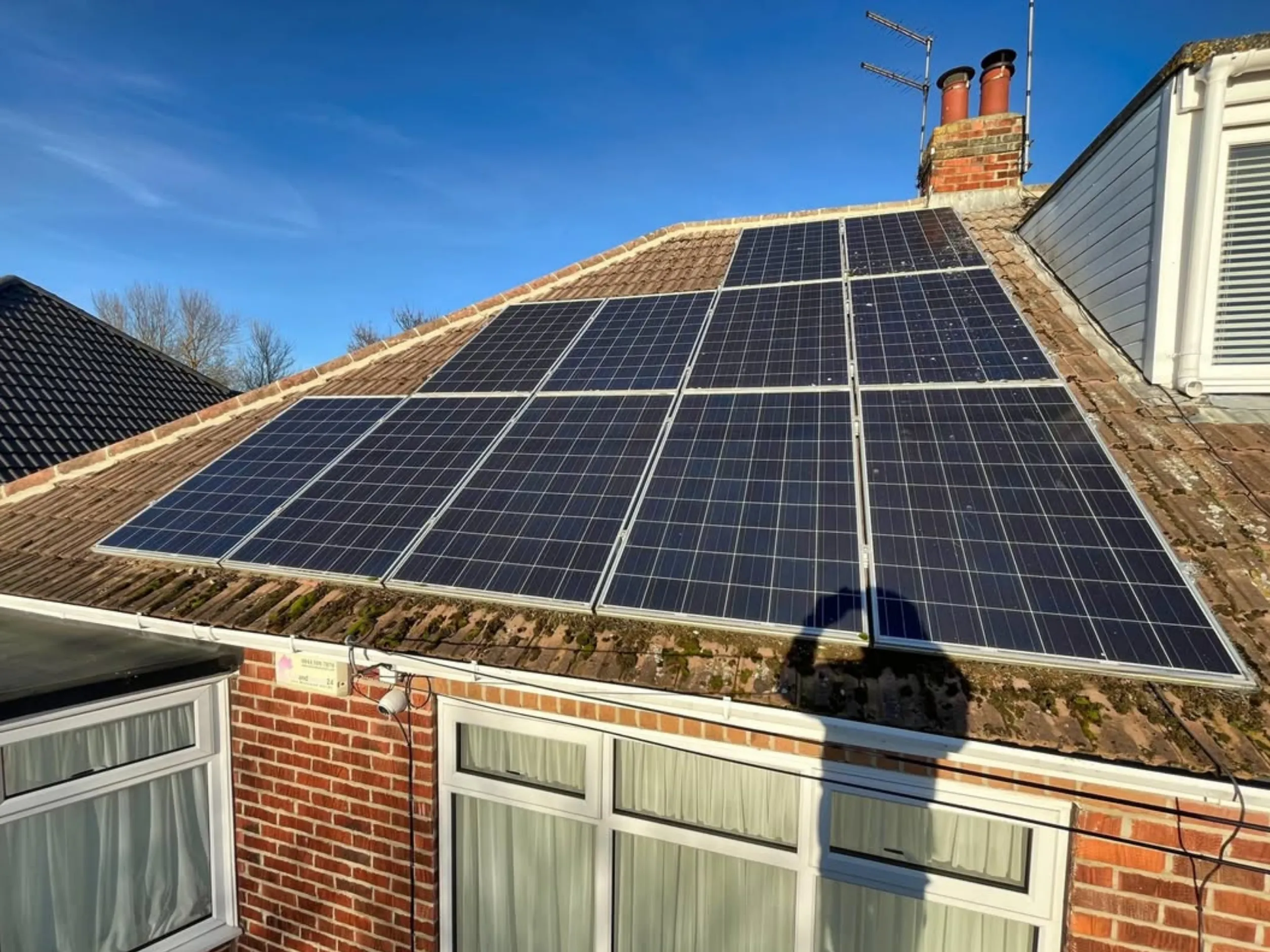
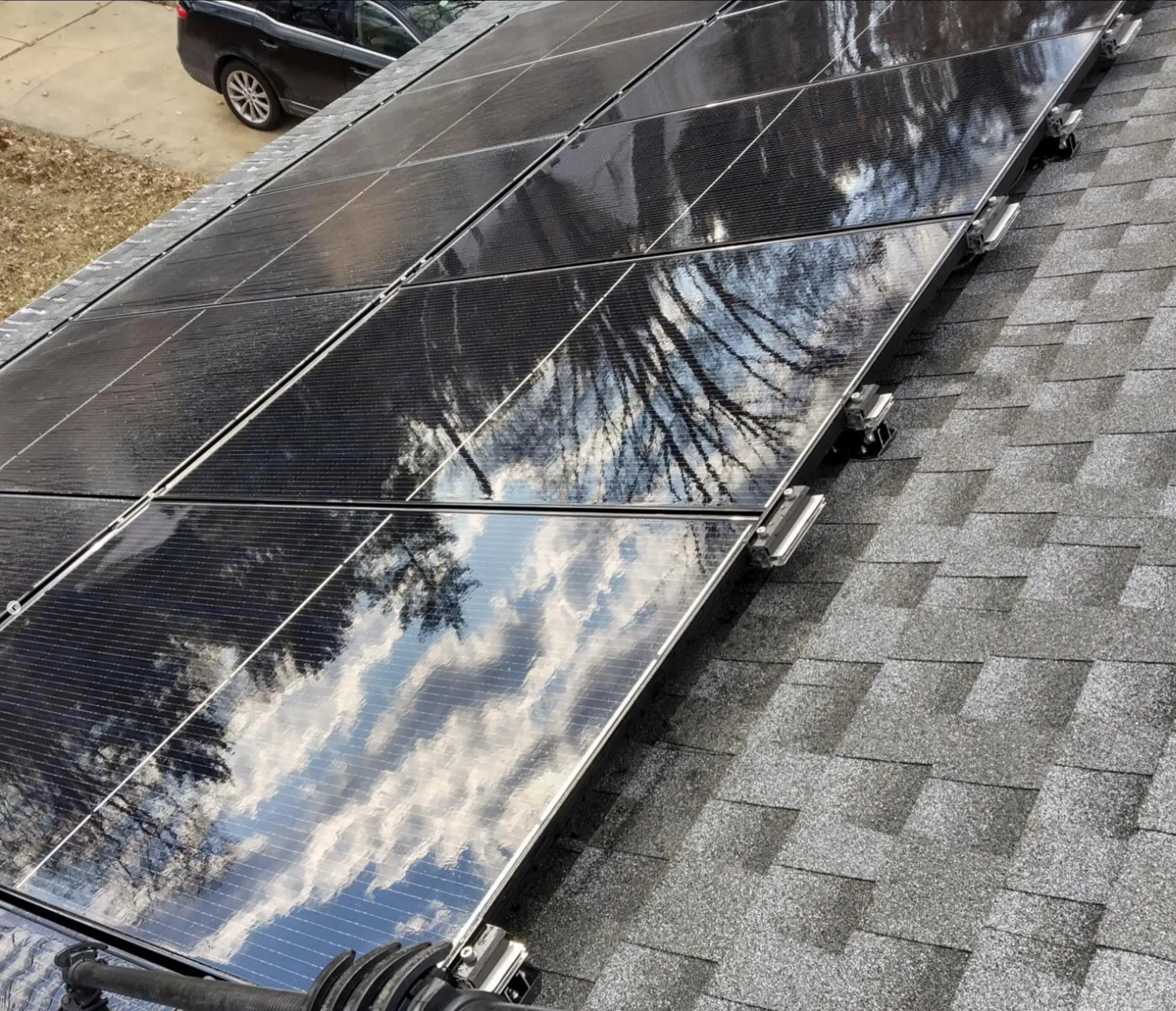
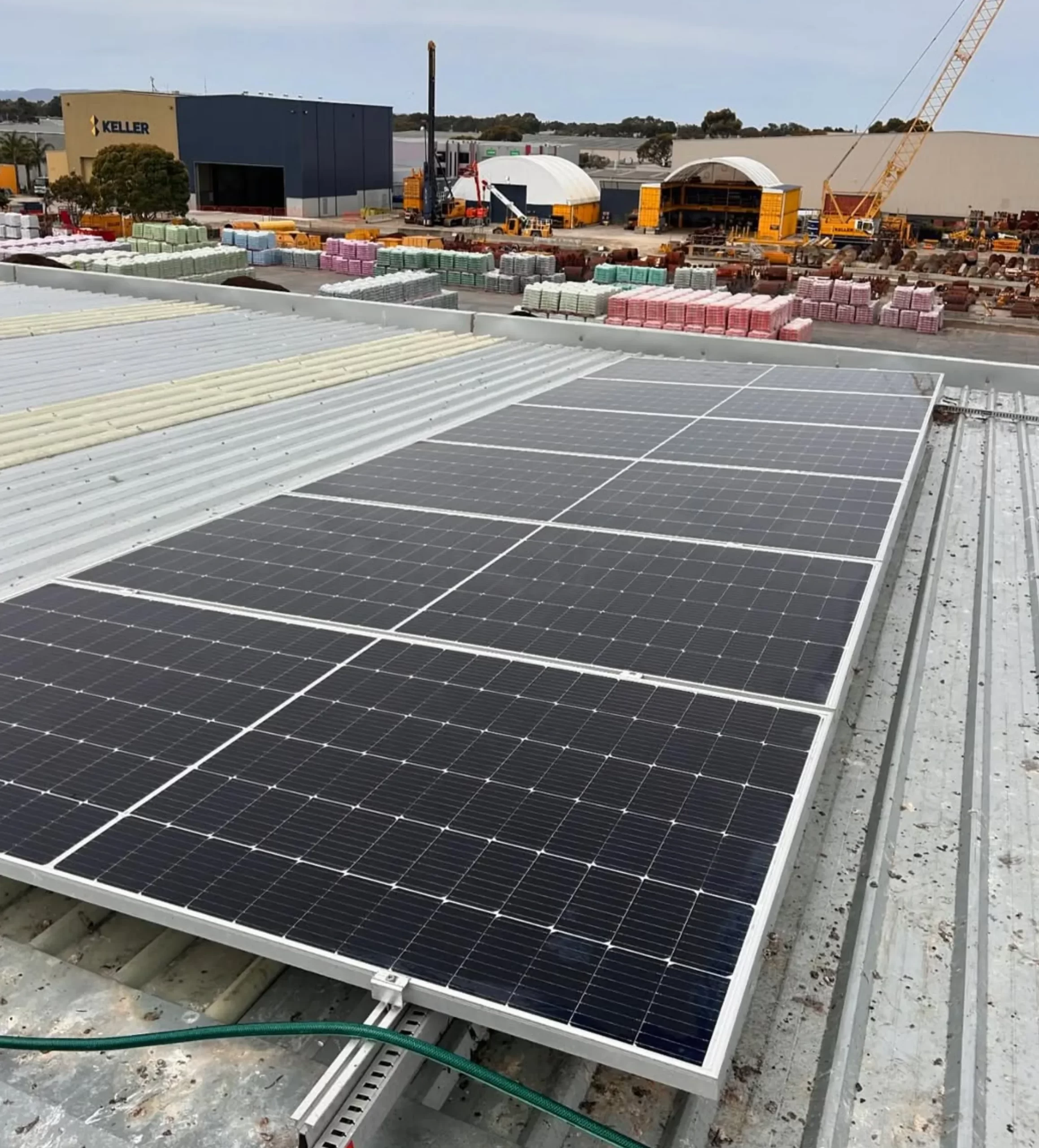
Solar panels are a great way to save on electricity and go green. However, their efficiency can be compromised if not maintained well. One of the most important aspect of solar panel maintenance is cleaning. Over time, dirt, dust, bird droppings, pollen and other debris can accumulate on the surface and reduce their ability to absorb sunlight efficiently. But how often should solar panels be cleaned? This article will give you the importance of cleaning and the factors that affect it.

Why Clean Solar Panels?

block sunlight, Melbourne

Cleaning solar panels is important because accumulated debris can cause significant drop in energy production. A layer of dust and grime can block sunlight and reduce the overall efficiency of the system. Here are the benefits of regular solar panel cleaning:

  • Maximize Efficiency – Clean panels absorb more sunlight and produce more energy and better performance.
  • Prolongs Life – Regular cleaning prevents damage from dirt buildup, airborne particles and environmental pollutants.
  • Save on Maintenance Costs – Preventive cleaning avoids costly repairs and efficiency losses, hence regular maintenance is an economical decision.
  • Get the Best ROI – Optimal energy production means best financial sense from your solar power system.
  • Minimize Environmental Impact – Clean solar panels means clean energy production and less dependence on fossil fuels.
  • Aesthetics – Many homeowners and businesses opt for facade cleaning services to maintain the look of their properties which includes solar panels.

How Often to Clean Solar Panels

The recommended frequency for cleaning solar panels depends on several factors including location, climate and environment. Here are some general guidelines:

1. Standard Recommendation: Twice a Year

solar panel systems

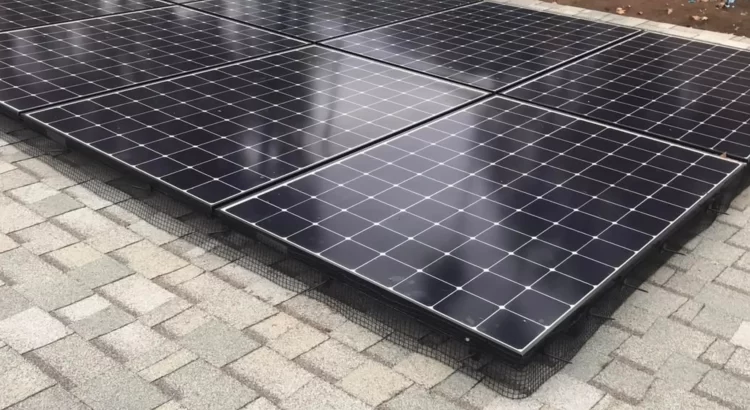
For most residential solar panel systems, twice a year is enough. A biannual cleaning (once in spring and once in autumn) will keep them efficient and prevent excessive buildup of dirt, dust and bird droppings.

2. High-Dust Areas: Every 3 to 4 Months

If you live in an area with high dust levels (near construction sites, farmland or desert like environment) you may need to clean your panels every 3 to 4 months. Dust storms, dry conditions and wind blown sand can quickly reduce panel efficiency.

3. Urban and Industrial Areas: Quarterly Cleaning

panels clean, Melbourne

In cities or industrial zones, air pollution, vehicle emissions and factory residues can coat solar panels with grime, requiring frequent cleaning every 3 months to maintain optimal performance. Many businesses opt for solar panel cleaning services alongside outdoor pressure cleaning to keep their panels clean and fully functional.

4. Heavy Rainfall Areas

Frequent rainfall can wash off light dust and debris but not always remove stubborn dirt, bird droppings or pollen. Even in rainy regions, an annual inspection and occasional additional cleaning may still be necessary.

5. Coastal Areas: Every 3 to 6 Months

If you live near the ocean, salt accumulation from the sea breeze can corrode solar panels over time. Cleaning every 3 to 6 months prevents salt buildup and protects your panels from long term damage.

6. After Extreme Weather Events

After heavy storms, wildfires or dust storms, an immediate inspection and cleaning is recommended. Ash, debris and residues from extreme weather can significantly impact solar panel efficiency.

Best Methods for Cleaning Solar Panels

To clean safely and effectively follow these best practices:

professional cleaners, Melbourne
  • Use Soft Brushes, Soft Cloth or Sponges – Abrasive materials can scratch the surface.
  • Use Mild Soapy Water or Mild Detergent – Avoid harsh chemicals that can damage the panels.
  • Rinse with Deionized or Distilled Water – This prevents mineral deposits from hard water and chemical cleaners.
  • Clean in the Morning or Late Afternoon – Don’t clean during direct sunlight to prevent thermal shock and rapid evaporation.
  • Consider Hiring Professional Cleaning Services – If you have a large or rooftop solar array, professional cleaners will do the job safely and thoroughly.
  • Use a Pressure Washer with a Spray Nozzle – This will help remove dirt and stubborn grime efficiently. Many pressure washing services offer solar panel cleaning to avoid damage and get it clean.
  • Follow Safety Precautions – Wear safety gear like a harness, gloves and safety gear when cleaning panels on rooftops.

Signs Your Solar Panels Need Cleaning

solar energy production, Melbourne
  • Visible Dust and Dirt – If you can see dirt, clean.
  • Drop in Energy Output or Solar Production – A sudden or gradual decrease in performance means clean.
  • Bird Droppings, Tree Sap, or Pollen – Clean ASAP – can block light completely.
  • Rain Left Behind Streaks or Days of Dust Accumulation – If rain leaves behind dirt smudges, manual clean.
  • Water Spots and Excess Water Residue – Reduces sunlight absorption and overall efficiency over time.
  • Debris from Nearby Trees – Leaves, twigs and organic matter can block sunlight and reduce solar energy production.

Conclusion

Solar panel cleaning is essential to maintain efficiency over time, prolong lifespan and maximize ROI. While the general rule of thumb is to clean twice a year, dust particles, pollution, weather and location may require more frequent cleaning. By keeping your panels clean and free from debris you can ensure optimal solar panel performance and a well maintained solar energy system. Invest in professional inspections and proper care to keep your solar systems in top shape.

FAQs

Can I clean my solar panels myself?

Yes, you can clean yourself with soft cloth, soapy water and gentle rinse. But if your panels are hard to access, hiring solar panel cleaning services is the safest option.

Will natural rainfall clean my solar panels?

Rainfall can remove some dust and debris but not thorough cleaning especially if there’s pollen, bird droppings or stubborn grime.

What if I never clean my solar panels?

Over time dirt and debris can significantly reduce your solar panels’ efficiency resulting to lower energy production and potential long term damage.

Does cleaning solar panels void the warranty?

No as long as you follow the manufacturer’s recommended cleaning guidelines. Avoid abrasive cleaners, high pressure water jets and harsh chemicals to prevent damage during cleaning.

How do I know my solar panels need cleaning?

Check your output and look at your panels. If you see a drop in energy output, dirt buildup or dust on the surface, clean. Regular maintenance and yearly inspections will also help keep your solar panel system in top shape.

Uluru North-East Walk

Discover Uluru’s North-East Walk: Highlights & Travel Tips

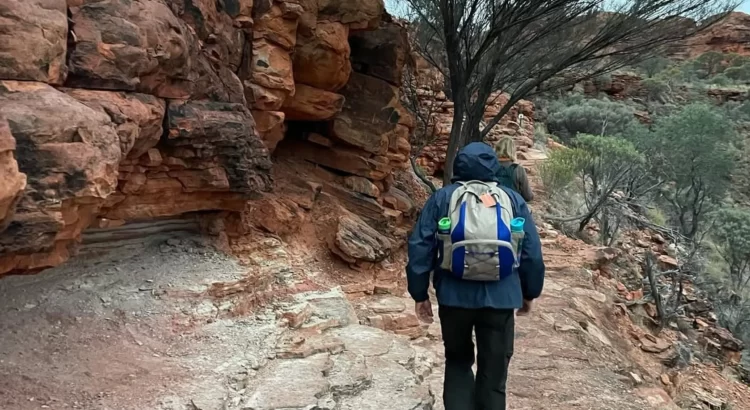
Uluru, the big rock in the middle of Australia, is a sacred site and a must-see for travellers everywhere. One of the many ways to experience this amazing sight is the North-East Walk. This walk is full of natural beauty and cultural significance and is a must-do for adventurers and culture lovers alike. Here are the highlights and top tips.

Highlights

1. Cultural Connections

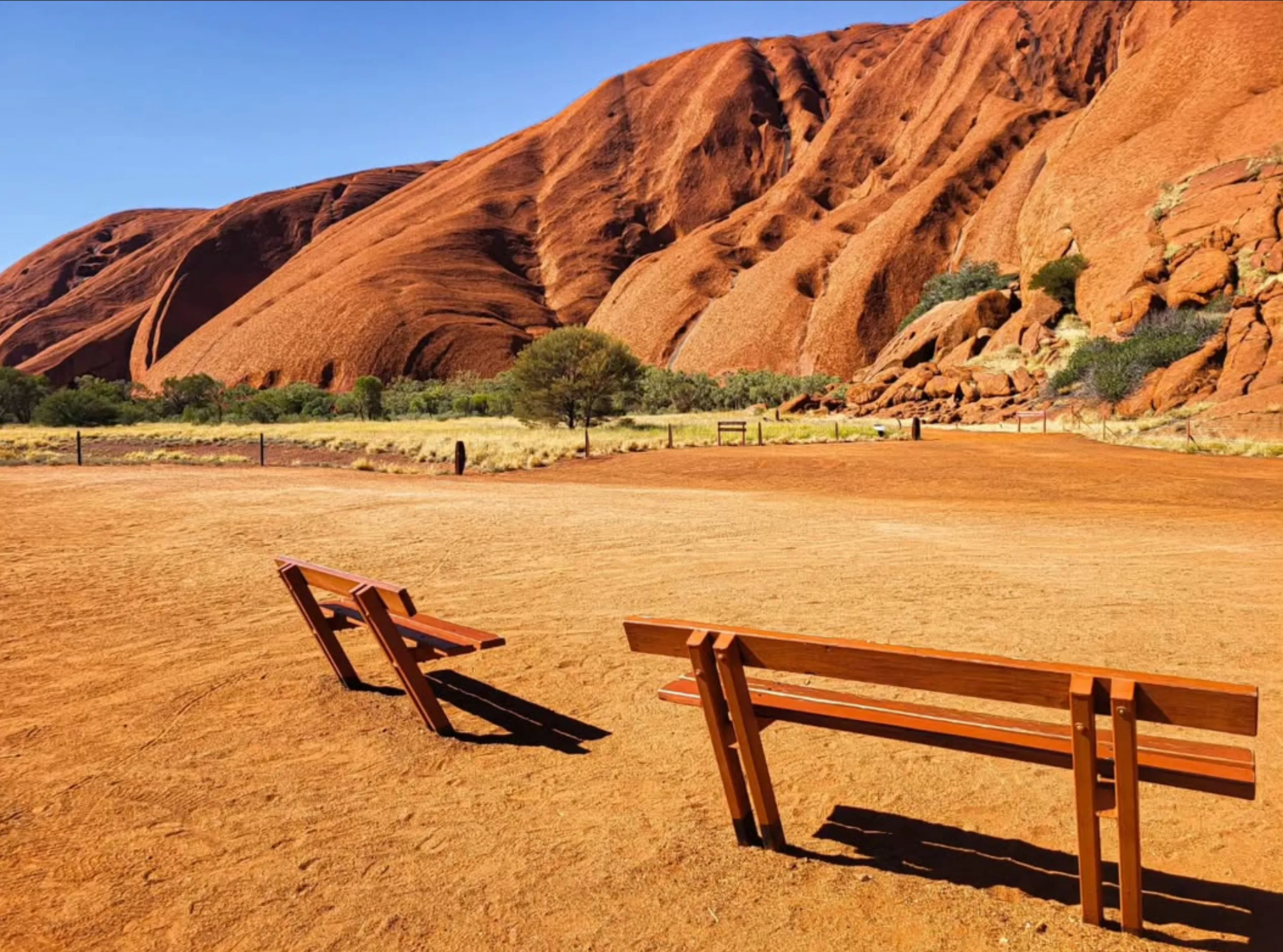
The North-East Walk gets you up close and personal with the Anangu people, the traditional owners of Uluru. Along the way you’ll see ancient rock art that has been passed down through generations. Make sure to stop at the interpretive signs to learn about the Dreamtime stories and creation myths associated with this sacred site. The rock art along the path is proof of the ongoing culture of the Aboriginal people.

2. Views

panoramic views, Uluru

As you walk the trail you’ll be treated to views of Uluru’s cliffs and the desert landscape. Sunrise and sunset are especially magical, painting the sandstone orange, red and purple. The walking tracks have great views and panoramic views perfect for photography. For more views consider a scenic flight or helicopter flight over the area.

3. Special Flora and Fauna

Australian outback, Uluru

The North-East Walk showcases the unique biodiversity of the Australian outback. Keep an eye out for native species like perentie lizards, zebra finches and spinifex grass. At certain times of the year you may also see wildflowers blooming and adding colour to the desert. Wildlife tours in the national park will give you a deeper insight into the local environment.

4. Quietness

Compared to the more popular base walk the North-East Walk is quieter and more peaceful. It’s a great trail for those who want to connect with the natural and spiritual heart of Uluru. Visitors often comment on the importance of respecting the cultural values of the traditional owners while enjoying the peacefulness of this sacred land.

rock formations, Uluru

Nearby to visit are Kata Tjuta (the Olgas), a beautiful collection of rock formations just a short drive from Uluru and Kings Canyon, famous for its cliffs and hiking trails. Both are easily accessible from Yulara, the town closest to Uluru.

Travel Tips

1. Plan

Check the weather and park opening hours before you go. Uluru-Kata Tjuta National Park can get very hot, so try to get there early in the morning, especially during summer.Kata Tju In winter pack a warm jacket for chilly mornings. Buy a parking pass in advance to make your visit easier.

2. Respect the Land

As a sacred site Uluru requires respect. Stay on the paths, don’t climb the rocks and follow the park and traditional owner guidelines. Learning about the cultural significance of the area before you go will help you understand and appreciate it more.

3. Pack

Carry water, sunscreen, a hat and comfortable hiking boots. A lightweight backpack with snacks, a map of the trail and a warm jacket is also recommended. After your walk air-conditioned cabins in nearby accommodation will be a welcome retreat. Options range from budget to luxury.

4. Join a Tour

ecological importance, Uluru

To get a deeper understanding of the cultural and ecological importance of the area join a guided 3 Day tour Uluru with an Anangu guide. Their stories and knowledge will add so much to your experience. Aboriginal art installations are also nearby, telling ancient stories and traditions. For a reliable and memorable experience book with Autopia Tours, they have great service and knowledgeable guides.

5. Go Further Afield

Consider a scenic flight or helicopter flight to see Uluru from above. Direct flights to the nearest town Yulara make it easy to get here. From Yulara it’s just an hour’s drive to the national park. Scenic Uluru camping tour also often visit nearby attractions like Kata Tjuta and Kings Canyon.

6. Photography

photography, Uluru

Bring a camera or smartphone to capture Uluru’s beauty but be aware of areas where photography is not allowed due to cultural sensitivities. Sunrise and sunset are the best times for photos and the lack of light pollution means the night sky is amazing for stargazing. The rock formations and desert landscapes are perfect for photography.

The North-East Walk at Uluru is more than a trail it’s an experience of Australia’s natural and cultural heritage. From the views and rock art to the flora and fauna it’s something for everyone. Nearby Kata Tjuta and Kings Canyon make the Alice Springs to Uluru trip a must for anyone who wants to experience the real Australia. With these tips and destinations in mind you’re ready to go on an adventure at one of the world’s most famous landmarks.

FAQ

How long does it take to do the North-East Walk?

About 1.5 to 2 hours depending on your pace and how many times you stop to smell the roses.

Is the North-East Walk suitable for families with kids?

Yes, it’s an easy walk and suitable for families. Just make sure kids are supervised and have sun protection and water.

Are there guided tours for the North-East Walk?

Yes, guided Uluru tours are available and highly recommended. Check with the park or local tour operators for times and bookings.

When is the best time to visit Uluru?

May to September is the best time to visit when it’s cooler for outdoor activities.

Can I see wildlife on the North-East Walk?

Yes, you can see native wildlife including birds, lizards and occasionally kangaroos. Early morning and late afternoon are the best times to spot wildlife.

Where Are Australia’s Crocodiles

Where Are Australia’s Crocodiles?

Australia has some amazing wildlife and crocodiles are one of its most iconic inhabitants. Saltwater crocodiles (Crocodylus porosus) and freshwater crocodiles (Crocodylus johnstoni) are found in certain parts of the country. But where do they thrive the most? This article will look at the regions with the highest crocodile populations, habitats, species of crocodiles and the best places for crocodile tourism.

Kakadu National Park Crocodiles

Northern Australia: The Crocodile Hotspot

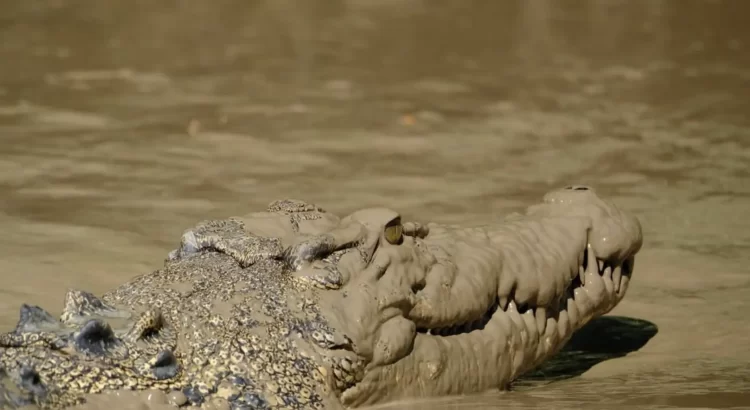
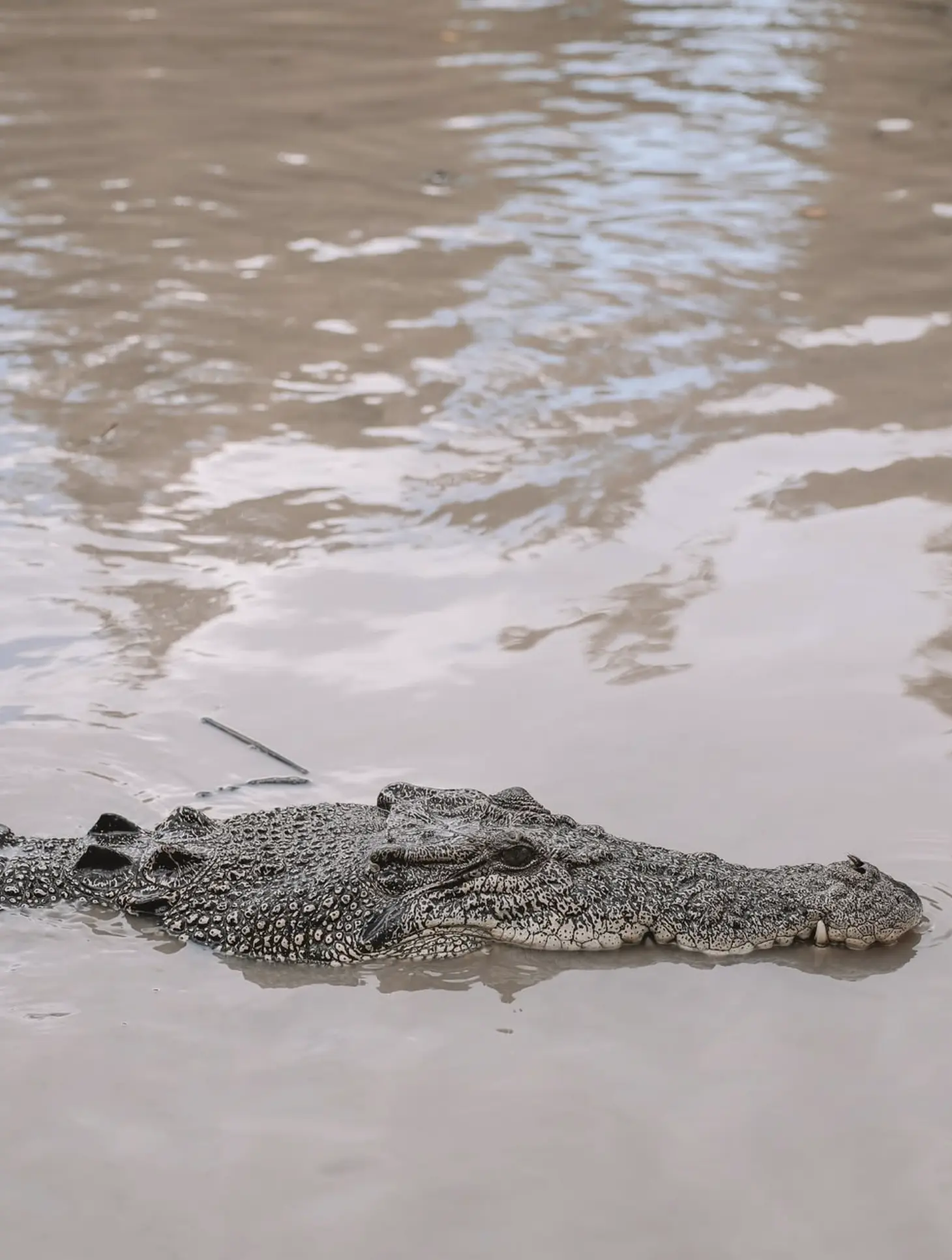
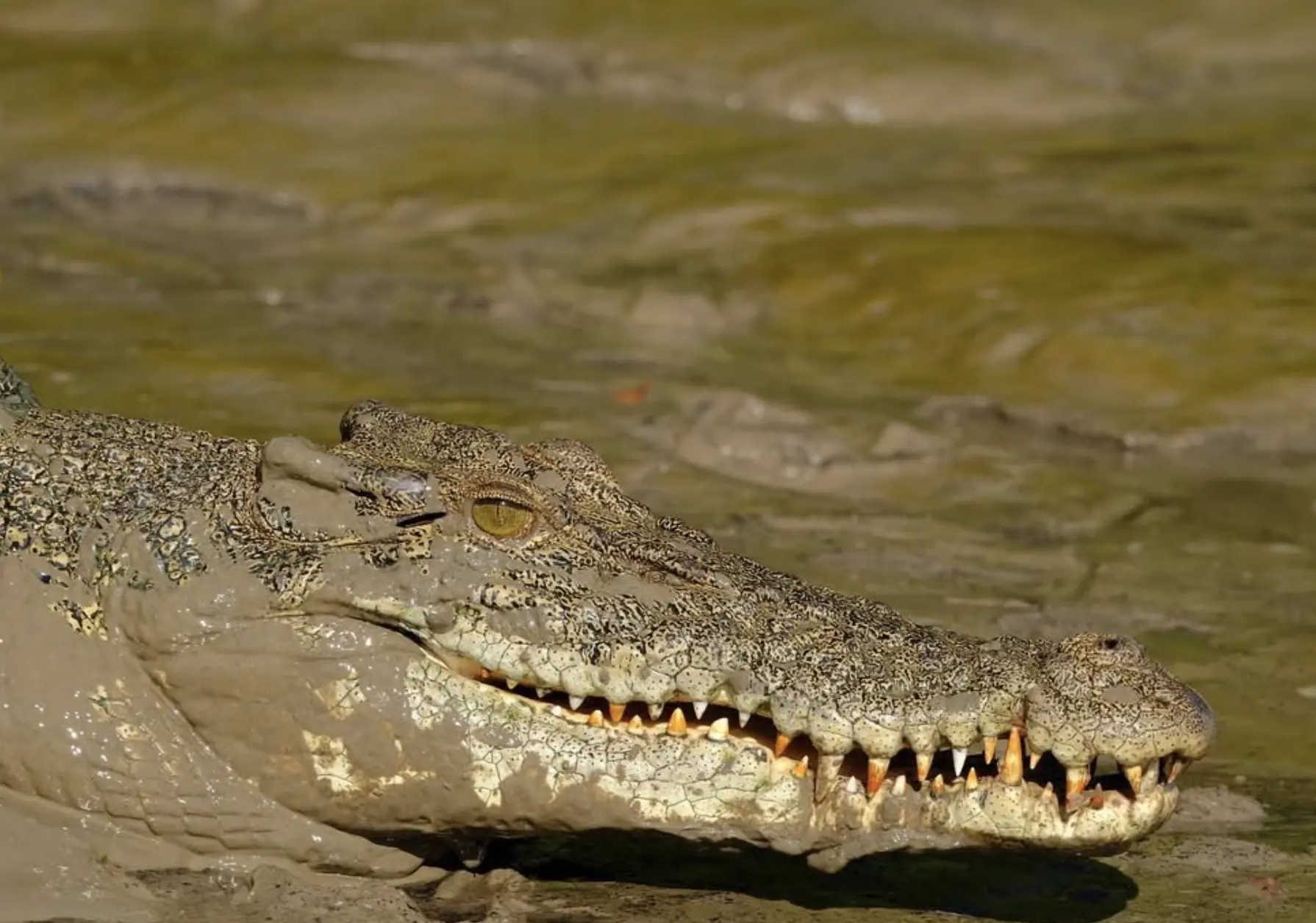
Northern Australia is famous for its coastline, tidal rivers and estuarine crocodiles so it’s the crocodile capital of Australia. The area has the highest number of saltwater crocs and freshwater crocs, particularly in the Northern Territory and Queensland. These regions are perfect for these reptiles, with freshwater swamps, river mangroves and breeding temperatures.

Northern Territory

The Northern Territory has the highest number of saltwater crocodiles and estuarine crocodiles, especially in places like Kakadu National Park, Crocodylus Park and the Adelaide River.

Northern Territory Wildlife
  • The crocodile population is so high in this area that Kakadu National Park is known as crocodile country.
  • Radio-tracked estuarine crocodiles and crocodile movements are monitored by the Conservation Commission of NT and other territory government agencies as part of crocodile management.
  • Dry season (May to October) is the best time for crocodile spotting as saltwater crocodiles in Darwin move into tidal rivers and coastal waters.
  • Crocodile tourism is big in this area with many tours offering up close views of these magnificent creatures.
Saltwater Crocodile Habitat

Queensland

North Queensland and Cape York Peninsula are also crocodile country. The Daintree River and Fitzroy River are the most famous crocodile spots, where you can go on a crocodile cruise.

  • Wet season (November to April) is the busiest time as it’s the breeding season for jumping crocodile tour and many hatchlings enter the system.
  • Freshwater crocs are also common in the upper reaches of rivers in Lakefield National Park and Port Douglas. These less aggressive crocs inhabit freshwater swamps.

Western Australia: A Hidden Crocodile Haven

While Western Australia might not be as well known for crocodiles as the Northern Territory or Queensland, we still have a significant saltwater crocodile population, particularly in the Kimberley and Fitzroy River.

  • The river mangroves and coastal waters here are the perfect habitat for crocodiles.
  • Crocodile management is ongoing in the area with a growing focus on conservation and releasing hatchling crocodiles.
Saltwater Crocodiles Australia

Crocodile Conservation and Management

Australia’s crocodile population has grown due to conservation efforts. The Conservation Commission of NT and Department of Environment and Conservation have implemented measures to manage crocodiles and human interaction.

Key Conservation Highlights:

  • Crocodylus Park in Darwin NT teaches visitors about crocodile species and their role in the ecosystem.
  • Radio-tracking of estuarine crocodiles shows their movements across the coast and tidal rivers.
  • Crocodile farming contributes to the Salt-water Crocodile industry, producing sustainable Salt-water Crocodile products and reducing illegal hunting.
  • Temperature regulation of crocodile nests during breeding season ensures balanced sex ratios for hatchlings.

Top Crocodile Tourism Spots

If you want to see saltwater crocodiles and freshwater crocodiles in person, here are the top spots across northern Australia:

  • Crocodylus Park, Darwin NT: A must-visit for crocodile enthusiasts with wild and captive crocodiles.
  • Adelaide River Jumping Crocodile Cruise, Northern Territory: Famous for the boat tours where crocodiles jump out of the water to catch bait. Autopia Tours, which offers interactive experiences to safely explore crocodile habitats
  • Daintree River Cruises, Queensland: A scenic cruise through crocodile habitats where you can see Crocodylus johnstoni and Crocodylus porosus.
  • Fitzroy River, Western Australia: A more off the beaten track crocodile spotting experience.
Croc Spotting Tours

Seasonal Trends in Crocodile Sightings

Crocodiles are more visible during the dry season (May to October) as they bask near water bodies to cool down. The wet season (November to April) brings more rain and higher water levels and the crocodiles disperse further into their habitat.

Conclusion

Northern Australia, including the Northern Territory, Queensland and parts of Western Australia is the place to see the most crocodiles in Australia but it’s also an area of high conservation and management for these amazing reptiles. From saltwater crocs in Kakadu National Park to freshwater crocs in Lakefield National Park these areas are croc hotspots and conservation programs ensure their future survival.

FAQs

Where can I see the most crocodiles in Australia?

Northern Territory and North Queensland has the highest concentration of crocodiles, saltwater and freshwater.

What’s the difference between saltwater and freshwater crocodiles?

Saltwater crocodiles are bigger and more aggressive, found in coastal waters, freshwater crocodiles are smaller and found in inland rivers and freshwater swamps.

Can I see crocodiles in the wild?

Yes but always go with a guided tour with professionals who follow safety protocols and keep a safe distance from the jumping crocodiles.

What’s their breeding habits?

Crocodiles breed during the wet season, saltwater crocodiles lay their eggs in nests near water.

Are crocodiles being managed in Australia?

Yes, there are crocodile management programs in place, including the Saltwater Crocodile Management Program to ensure coexistence with humans.