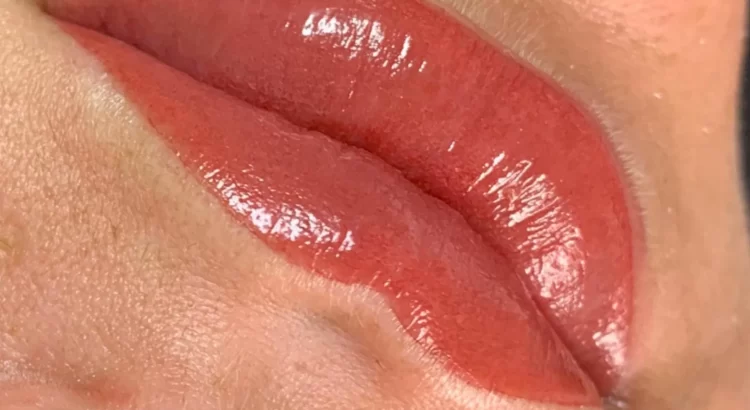
So you want to know how to get real results from your lip tattoo? So you’ve got your Lip Blush Tattoo or cosmetic lip tattoo? So you’ve finally booked your Lip Blush Tattoo or cosmetic lip tattoo appointment — or maybe you’ve already been through the healing process and want to make that perfect pout last. Either way, welcome. You’re in the right place if you’re asking how to prevent a lip tattoo from fading. And yes, fading will happen over time — but how fast and how much is up to you (and a bit of good prep and aftercare).
Whether you’re chasing a subtle tint, a crisp lip liner or colour correction, this guide covers what actually works to lock in colour and keep your lips looking fresh, soft and naturally defined.
Contents
- 1 Factors that affect pigment retention
- 2 Best habits for longer-lasting lip pigment
- 3 How your skin type and tone influence results
- 4 Lifestyle tweaks that make a difference
- 5 Pigment types, equipment, and artist skill
- 6 Lip blush fading: what’s normal and what’s not
- 7 Final thoughts from the treatment room
- 8 Frequently Asked Questions
Factors that affect pigment retention
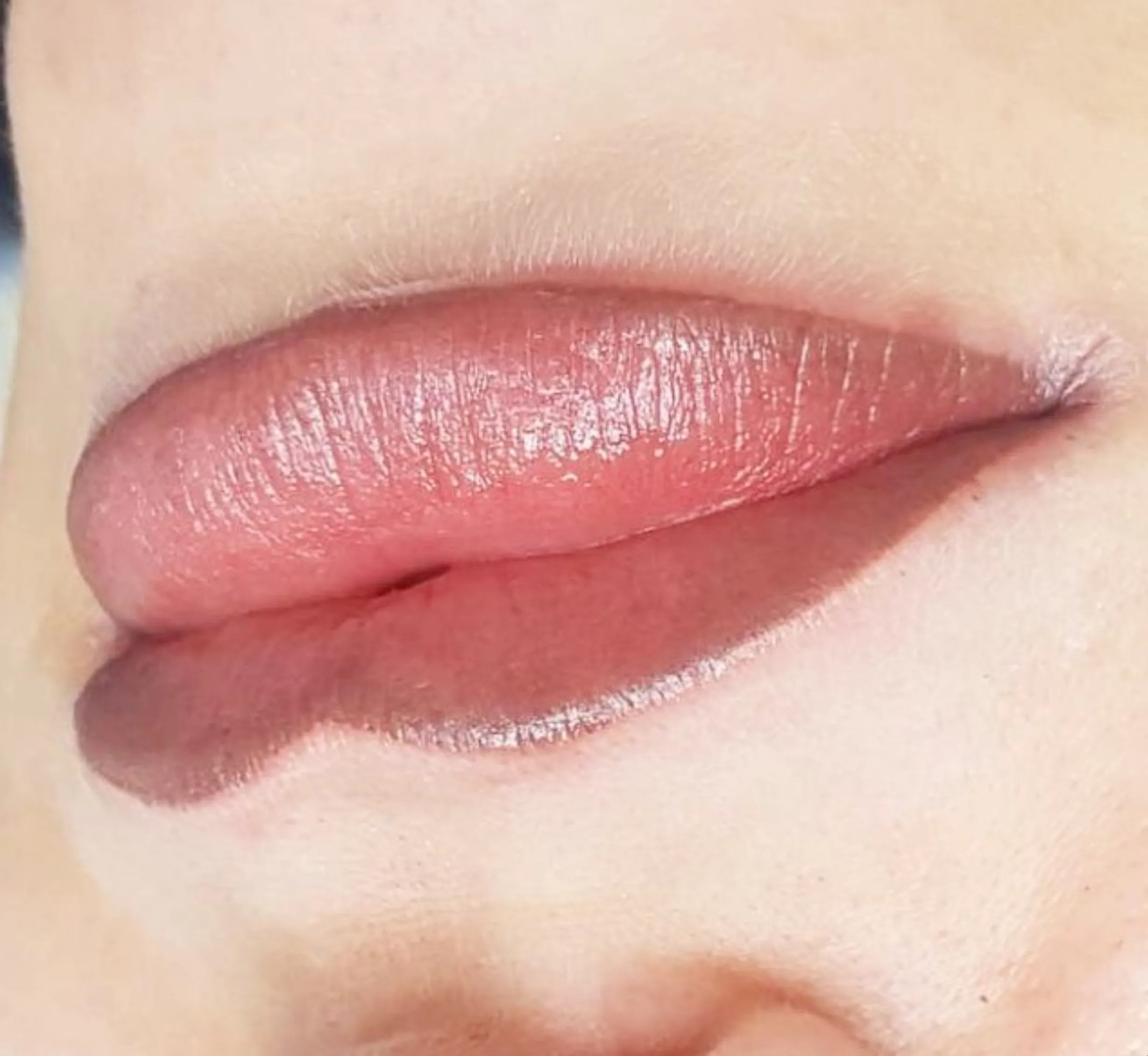
Not all fading is preventable — but much of it is manageable. Let’s get to the basics. Pigment retention is affected by your skin type, lifestyle, health and even the weather. If your lip tattoo looks patchy after healing or seems to vanish faster than expected, chances are one (or more) of the factors below is at play:
- Skin turnover rate (cell turnover): The faster your skin regenerates, the quicker pigment fades.
- Sun exposure & UV rays: These break down coloured ink and red ink over time. Think of it like fading curtains in the sun.
- Lip dryness or dehydrated skin: Flaky lips, especially with exfoliating products like glycolic acid or salicylic acid, disrupt the healing stages.
- Cold sores or trauma: Viral flare-ups (caused by the Herpes Virus) or picking at scabs can lead to pigment loss. If you’re prone to cold sores, prepping early is crucial for successful lip tattooing.
- Smoking: Nicotine affects blood circulation and lip membrane, which is the colour.
- Passive: Using harsh skincare products near the mouth can sabotage results.
- Aftercare not followed: Skipping your tattoo balm, licking lips or using harsh skincare products near the mouth can sabotage results.
- Underlying health conditions or blood thinning vitamins: These impact the healing process and overall pigment take.
If you’re in Melbourne, don’t underestimate the UV light. Even in winter, sun tanning or daily sun exposure can be intense enough to cause fading if you’re not protecting your pout with lip balm with SPF.
Best habits for longer-lasting lip pigment
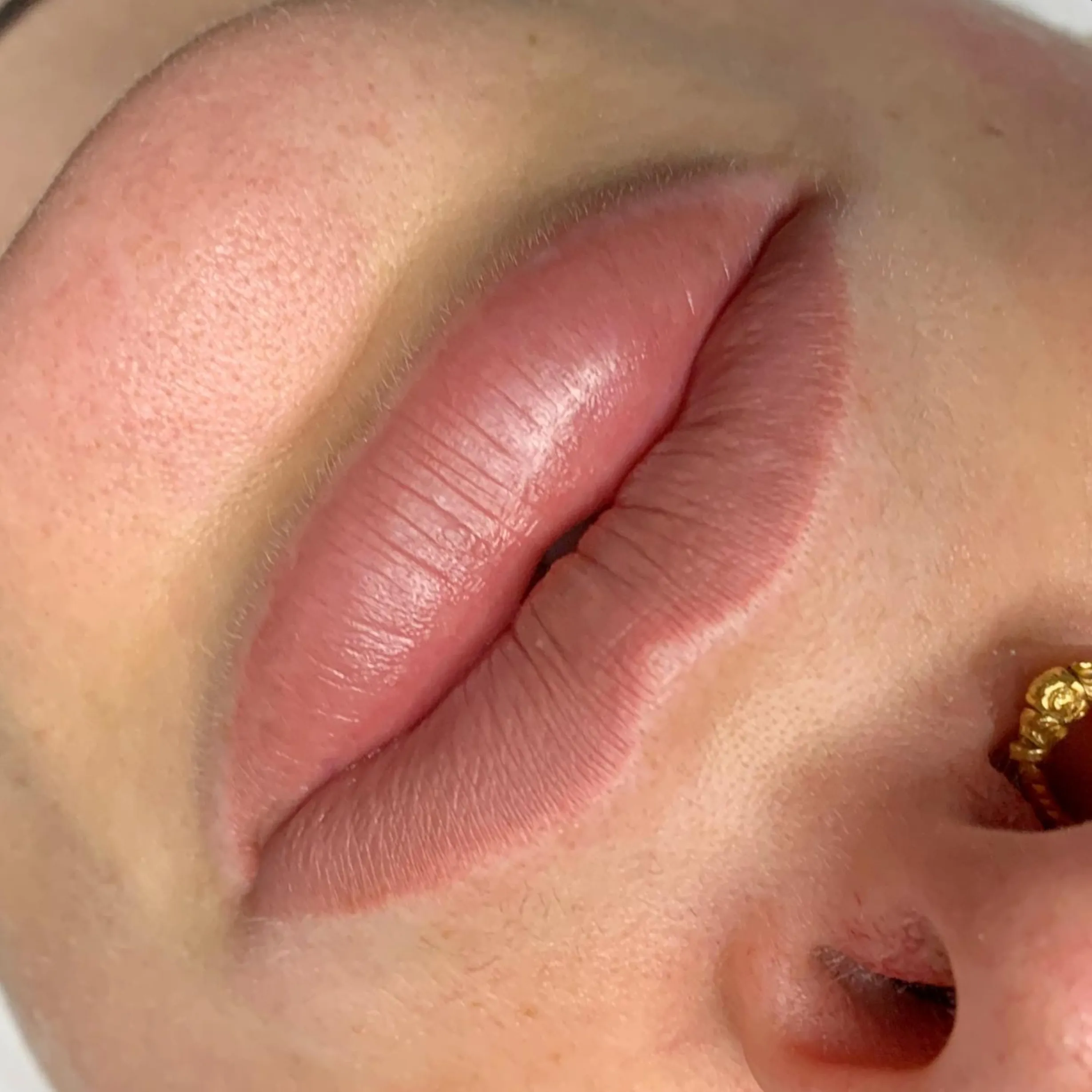
Simple rituals that pay off in colour payoff. Good pigment retention starts well before your tattooing procedure and continues long after it heals. Think of it like skincare — consistency and care matter more than one miracle fix. Here’s what we recommend to every client:
Before your appointment:
- Hydrate like it’s your job: Use a nourishing lip balm (we love lanolin or healing balm-based options) and drink plenty of water.
- Exfoliate gently: Use a sugar scrub or soft cloth to remove dead skin — avoid chemical exfoliants like glycolic acid.
- Avoid actives and peels: No salicylic acid, AHAs, BHAs, or harsh skincare products near the mouth for at least 5 days prior.
- Skip alcohol and caffeine: These can increase bleeding and sensitivity during the tattooing process.
- Prep for cold sores: If you’re prone, take antiviral medication like acyclovir 2 days before. Trust us — cold sores ruin results.
- Be mindful of medications and vitamins: Avoid anything that thins the blood before your tattooing procedure.
Lip tattoo aftercare starts the moment you leave the studio — the first few days are crucial to support proper pigment bonding and healing.
Aftercare essentials:
- Stick to your balm: Apply a healing balm or tattoo balm 2–3 times a day for 7–10 days (or longer if needed).
- Use alcohol-free mouthwash or antibacterial mouthwash: Especially in the first week to maintain good mouth hygiene.
- Hands off: No picking, peeling, or scrubbing.
- Avoid steam, spicy food, and sun exposure: All of these slow the healing stage and can alter pigment.
- No lip makeup or cosmetic tattoos over fresh work: Wait until healing stages are complete.
- Switch to lip balm with SPF once healed: Helps prevent future tattoo fading from UV rays.
How your skin type and tone influence results
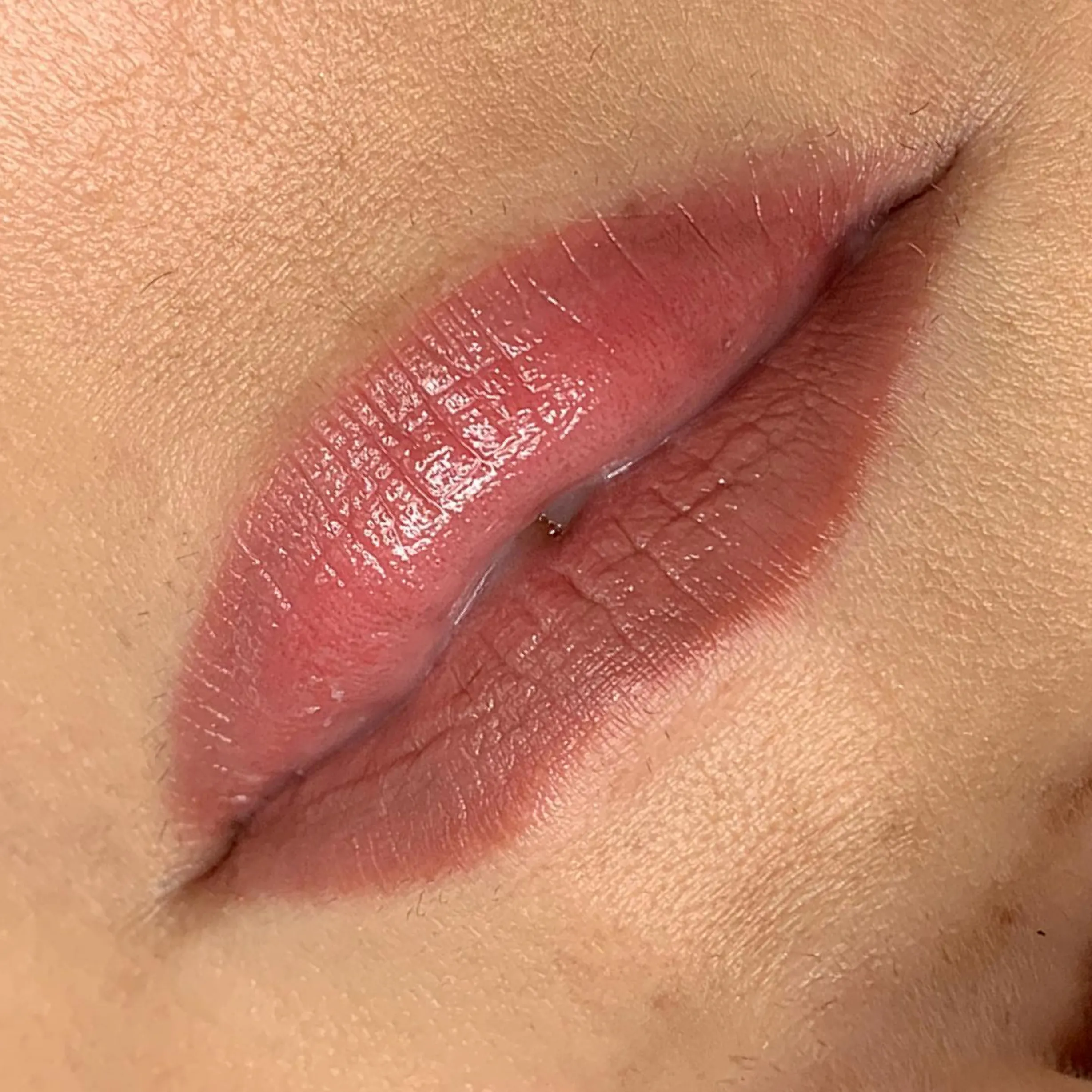
Customised colour, realistic expectations One of the most common things we hear in consults: “Why did my last lip blush fade to nothing?” Often, it’s not the technique — it’s your individual skin type and undertones. Here’s how your unique features affect how colour heals:
- Mature lips need gentle tattooing technique and longer wound healing time.
- Melanin-rich lips may need a lip blushing tattoo technique called lip neutralization before colour.
- Oily skin fades faster, especially around the corners.
- Very fair skin pulls ash tones if the wrong pigment is used or healing is disrupted.
Whether you’re after a traditional lip tattoo or the softer lip blush method, we adapt our tools and pigments to your needs. Lip blush tattooing isn’t one-size-fits-all — especially when it comes to natural, fuller lips and blending into your natural lip shape and colour.
Lifestyle tweaks that make a difference
It’s not just what you do at the appointment. You can have the best tattoo artist, medical anaesthetic, and pigment — and still lose results early if you don’t support healing at home. These lifestyle adjustments make a real difference:
- SPF 30+ daily: A clear balm with broad-spectrum SPF is your post-treatment BFF.
- Don’t skip your touch-up: Most clients need a second session 6–8 weeks post initial tattooing procedure.
- Avoid harsh products: No glycolic acid, salicylic acid, or vitamin C near the lips.
- Treat cold sores quickly: Keep antiviral medication handy and start it at the first tingle.
- Quit smoking if possible: Nicotine dulls colour and affects circulation in the lip membrane.
- No sun tanning: It fades permanent makeup and worsens pigmentation issues.
Even the most precise lip tattoo cosmetic work needs to be supported by good skincare habits — especially in a climate like Melbourne’s.
Pigment types, equipment, and artist skill
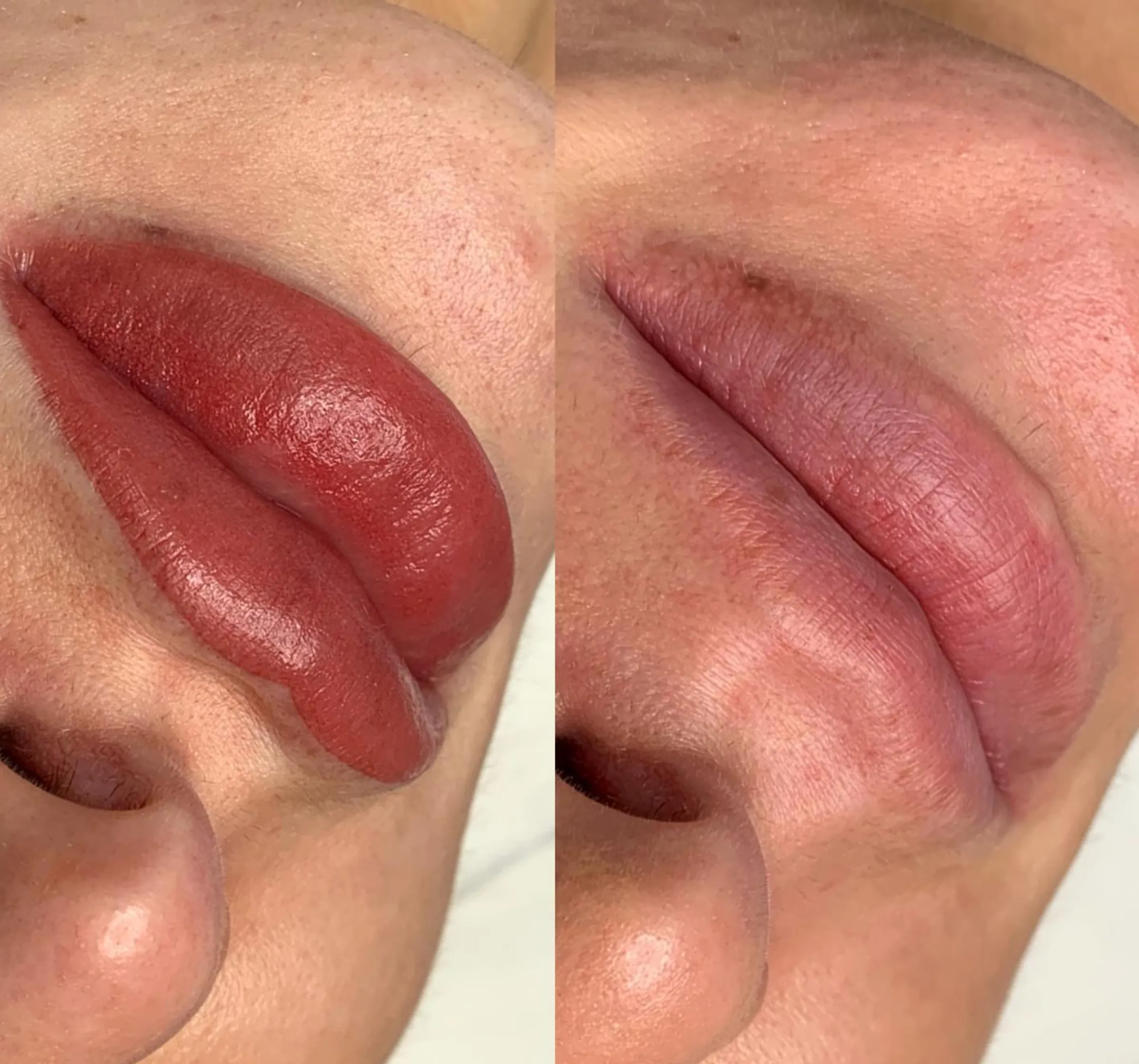
Why not all tattoos last the same Let’s be blunt: not all cosmetic tattooing is created equal. From the tattoo machine to the dotting technique, your results depend on what (and who) is behind the needle.
Here’s what we do differently:
- Only cosmetic pigments: Specifically designed for semi-permanent cosmetic tattoos. No body art or traditional lip tattoos here.
- Digital machines: Allow more control, precision and less trauma.
- Topical numbing cream: We use quality tattoo numbing cream to manage your pain level.
- Expert technique: From contouring and blending to mapping the right lip liner, we tailor everything to your lips.
- Thorough consults: We discuss your shape and colour goals, cold sore risk, and pain level — no assumptions.
Choosing the right artist is everything in lip tattooing — skill, safety, pigment knowledge and realistic planning all matter more than flashy Instagram photos.
Lip blush fading: what’s normal and what’s not
Know when to wait it out vs. when to book a review A bit of fading? Totally normal. Uneven spots? Common. Complete disappearance? Not ideal. Here’s what to expect during the Lip Tattoo Healing timeline:
| Healing Stage | What You’ll See | What’s Normal | When to Call Your Artist |
|---|---|---|---|
| Days 1–3 | Swelling, bold colour | Lips may feel tight or tingly | If swelling increases past 72 hrs |
| Days 4–7 | Flaking, dryness | Some patchiness or dryness | If lips bleed, crack, or ooze |
| Days 7–14 | Faded colour | Up to 50% lighter tone | If all colour disappears |
| Week 6–8 | Final healed result | Natural tint, even tone | If the colour looks grey or patchy |
Final thoughts from the treatment room
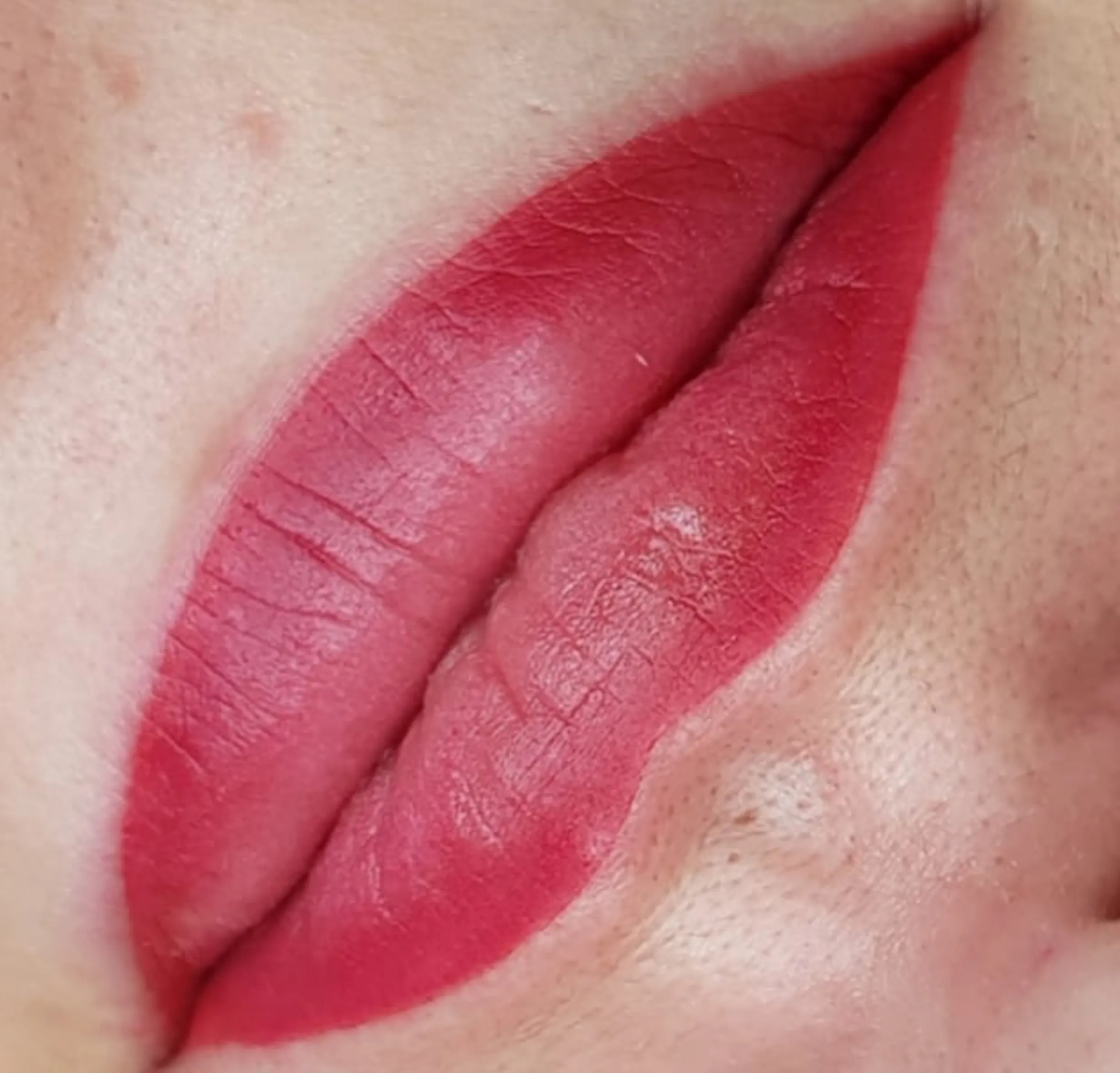
A little prep = a lot more pigment. If there’s one thing I wish more clients knew, it’s that healing isn’t the end of the journey. The lip blush tattooing process is part technique, part aftercare, and part your daily habits. The better you prep and protect, the longer your cosmetic procedure lasts.
Want fuller lips with natural tint that lasts? Choose the right tattoo artist, follow proper aftercare instructions, and keep your balm handy. And please — wear SPF.
Here in our Face Figurati Cosmetic Tattoo Studio in Melbourne, we see all kinds of lips walk through the door: fair, deep, cool, warm, dry, sun-damaged, freshly filled. And every one of them needs a slightly different approach when it comes to pigment retention.
Frequently Asked Questions
How long does a lip tattoo usually last before fading?
1.5 to 3 years. Sun exposure, skincare products and your skin type can all affect how long the pigment stays vibrant.
Can I wear lipstick while my lip tattoo is healing?
Nope — not during healing. You’ll need to avoid all makeup, including lipstick and lip gloss, for at least 7–10 days while the area heals. Letting your lips breathe is a big part of proper lip tattoo aftercare.
Will lip blushing work if I have darker lips or uneven tone?
Yes, but you might need a lip neutralisation session first. This helps correct underlying tones so your chosen lip colour heals evenly. We see lots of melanin-rich lips in our Melbourne studio and customise every treatment.
Does lip tattooing hurt?
Most clients describe it as mildly uncomfortable — like a light scratching sensation. We always use a high-quality topical numbing cream to reduce pain level during the tattooing process.
Can cold sores affect my lip blush results?
Yes. Cold sores can cause pigment loss and patchy healing. If you’re prone to them, take antiviral medication like acyclovir before and after your appointment to reduce your risk. A little prep = a lot more pigment.
