Cleaning high windows is not for the faint-hearted. Whether it’s a two-storey home or a skyscraper, high-rise window cleaning requires a combination of skill, experience and the right tools. As professional window cleaners in Melbourne, we get asked all the time how we manage to get to such heights and get a streak-free finish. This article will go through everything window cleaners use to clean high windows, from extendable poles to rope access systems, we’ll take you through the techniques and tools used in the industry.
Whether you’re a property manager looking to hire a crew or a homeowner curious about what goes on behind the scenes, this guide will give you practical advice and insights from the field. In this guide, we’ll also explain why Window Cleaning Melbourne is the trusted choice across suburbs and city skyscrapers.

Why Cleaning High Windows
When we talk about cleaning high windows, we mean it literally. Windows that are out of reach, the usual bucket and squeegee won’t cut it. High windows pose additional challenges:
- Accessibility: Not all areas are easily accessible from the ground or via ladders.
- Safety: Working at height is a big risk without proper training and equipment.
- Efficiency: Covering large areas quickly without streaks requires specialised tools.
- Regulation compliance: Australian safety standards require certified methods for high-rise work.
That’s why professional window cleaners use a range of specialised tools, including durable materials and window cleaning software, to ensure every window surface is spotless and safe. If you’re looking for options for high or hard-to-reach areas, High Rise Window Cleaning might be the solution for you.
Water-Fed Pole Systems
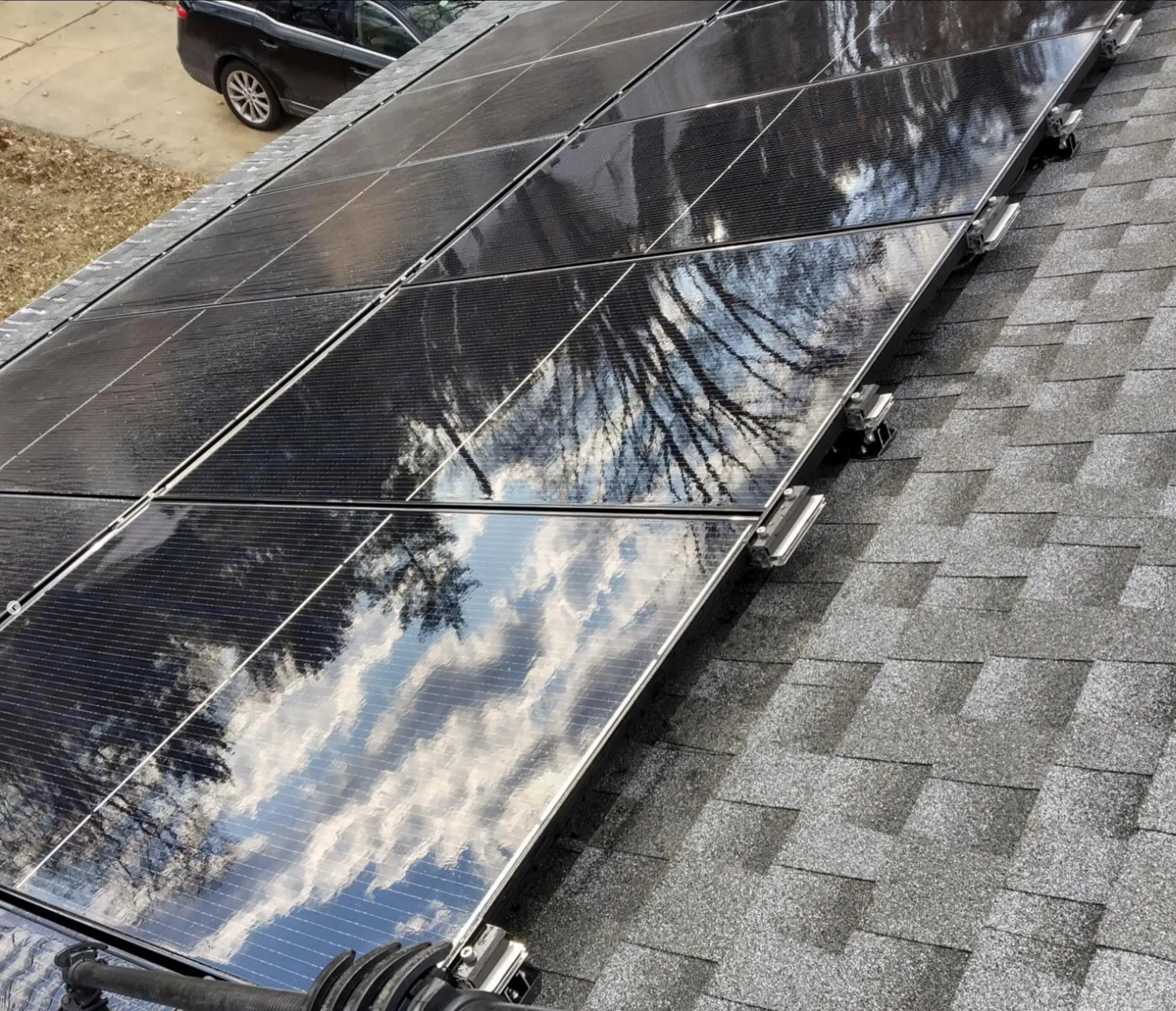
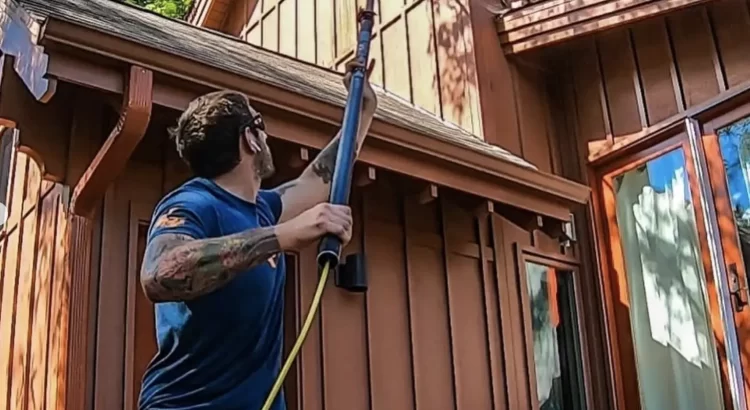
A modern high-rise window cleaning staple, water-fed pole systems use purified water pumped through telescopic poles. These extendable pole setups can reach up to 20 metres or more, perfect for 2-4 storey buildings and glass windows.
How it Works
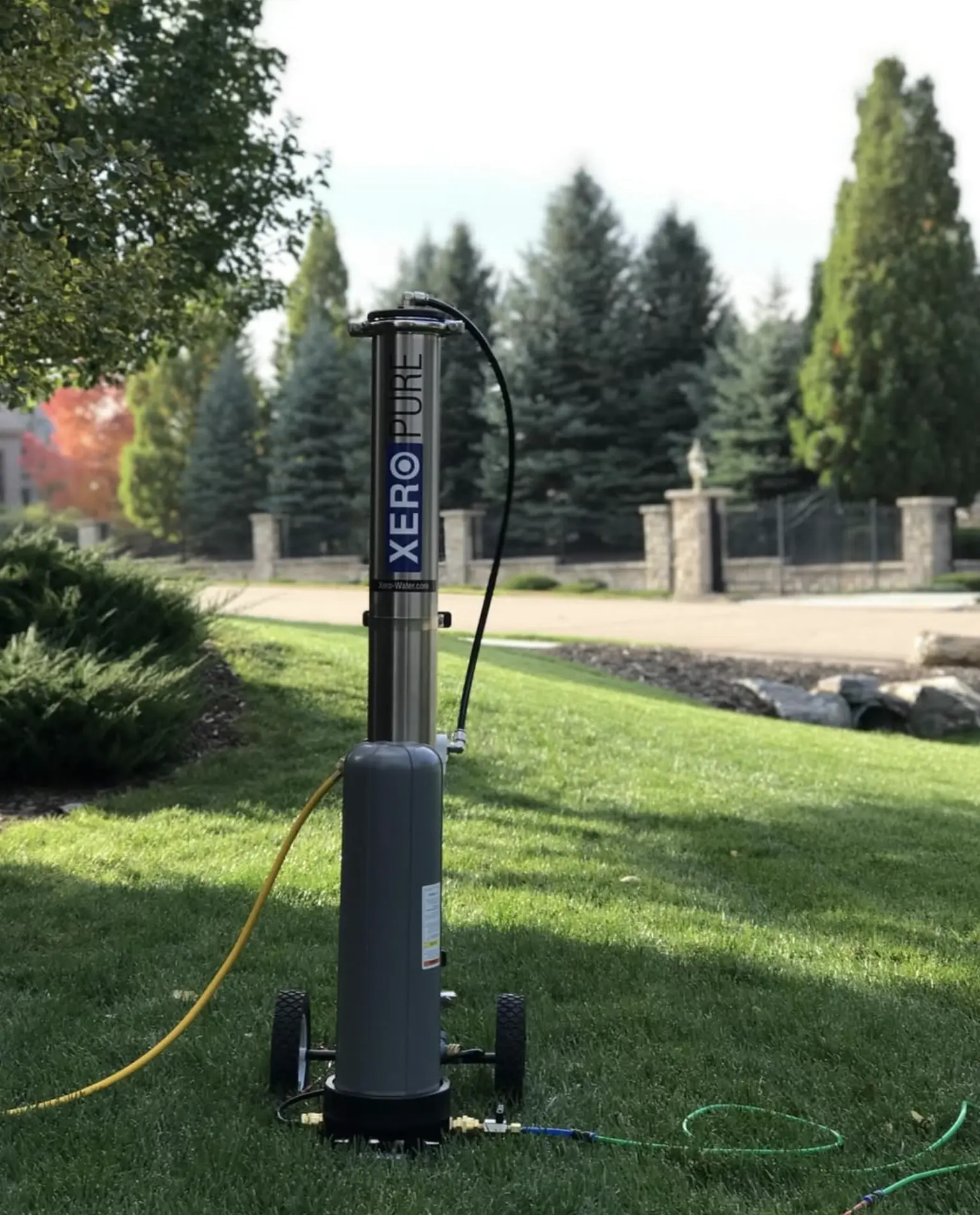
- Water is deionised to remove minerals and contaminants.
- Purified water is pumped through a water-fed pole cleaning setup.
- Soft-bristled brush agitates dirt while pure water rinses it away.
- No need to dry—clean, water evaporates without streaks or water marks.
Advantages
- Safe: All work is done from the ground.
- Eco-friendly: No commercial products or dish soaps are used.
- Efficient: Ideal for the frequent cleaning of commercial windows and residential properties.
We use water-fed poles for most of our Melbourne window cleaning jobs. They’re great for hard-to-reach windows like story windows, skylights or glass surfaces on upper floors.
Extension Poles with Traditional Tools
For windows not suitable for water-fed systems, we use extension poles with traditional window washing tools:
- Window squeegees for a streak-free clean.
- Applicators with micro-fibre cloth sleeves for applying soap solution.
- Glass scrapers and scraper blades for removing bird droppings and stubborn marks.
Tip from the Field
We often mix warm water with a few squirts of detergent or a window cleaning solution to combat food stains and stubborn dirt. Using microfiber cloths or absorbent cloths ensures streak-free results even in direct sunlight. Many window cleaners Melbourne-wide use this method for the clarity and consistency it brings to each job.
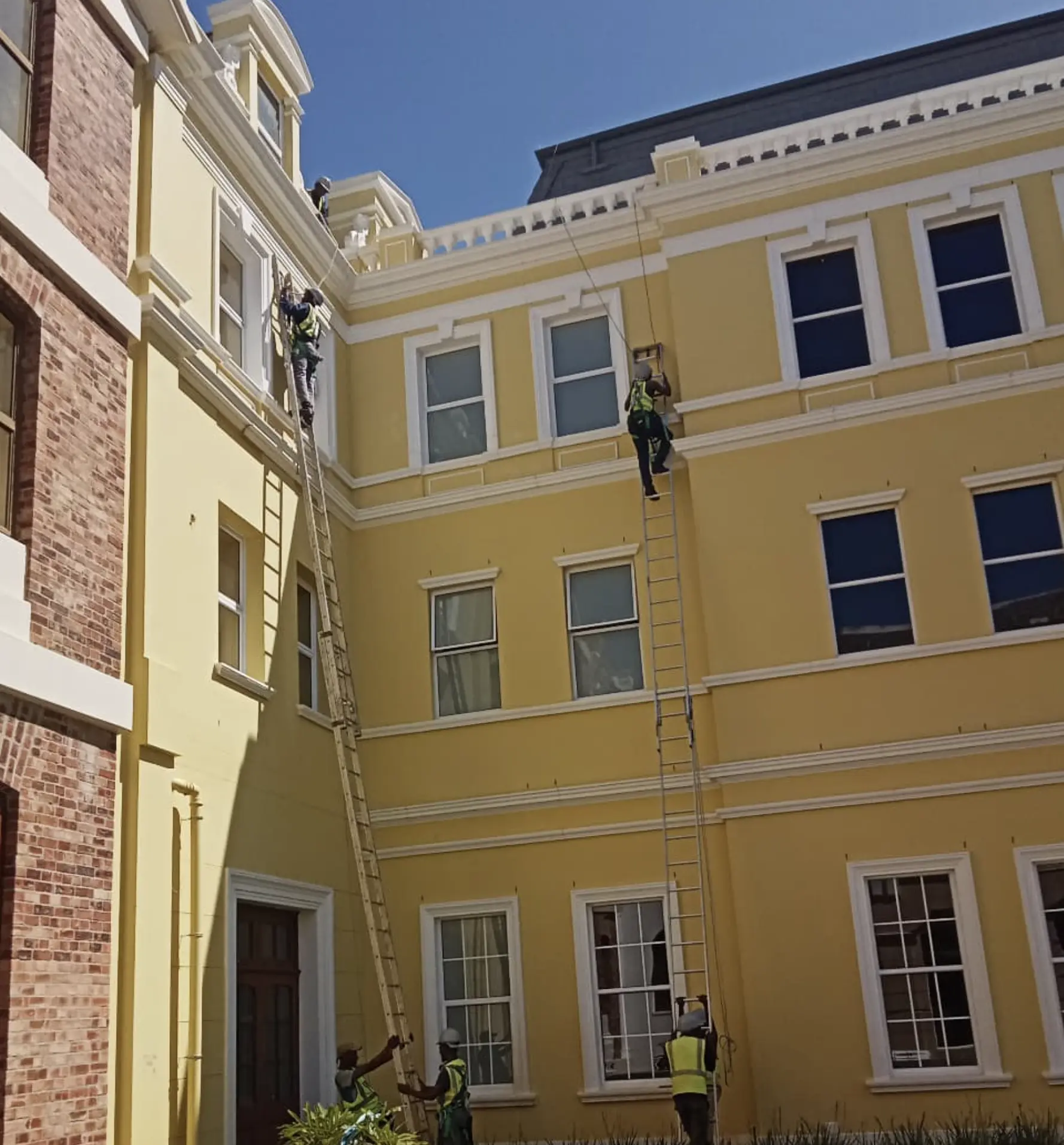
Rope Access (Abseiling) Systems
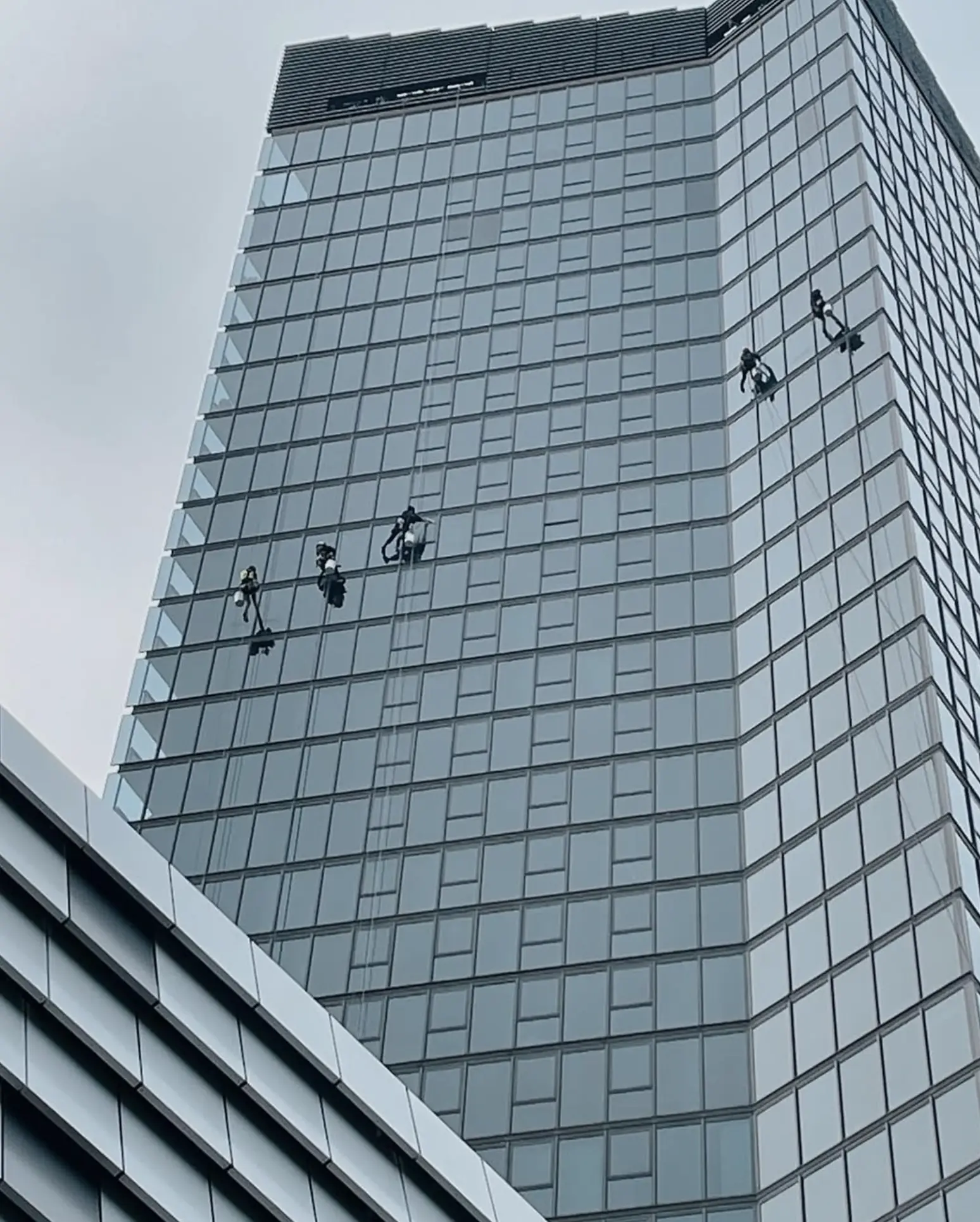
For tall buildings and commercial buildings, rope access window cleaning is the best way to clean windows. Rope access technicians descend using safety harnesses and rope systems to clean exterior windows with precision.
What’s Involved
- Anchors are installed on the roof with full safety gear.
- Technicians carry a rectangular bucket or a 5-litre bucket with window cleaning supplies.
- Lint-free cloth, soft cloth, surgical towel and aerosol spray for detail work.
Benefits
- No need for big ladders or windows without ladder access.
- Minimal disruption for business owners.
- Detailed results are even on high-rise windows and window screens.
High window Cleaning is required for buildings where ladders and lifts can’t reach. Our certified team uses rope access methods across Melbourne.
Elevated Work Platforms (EWPS)
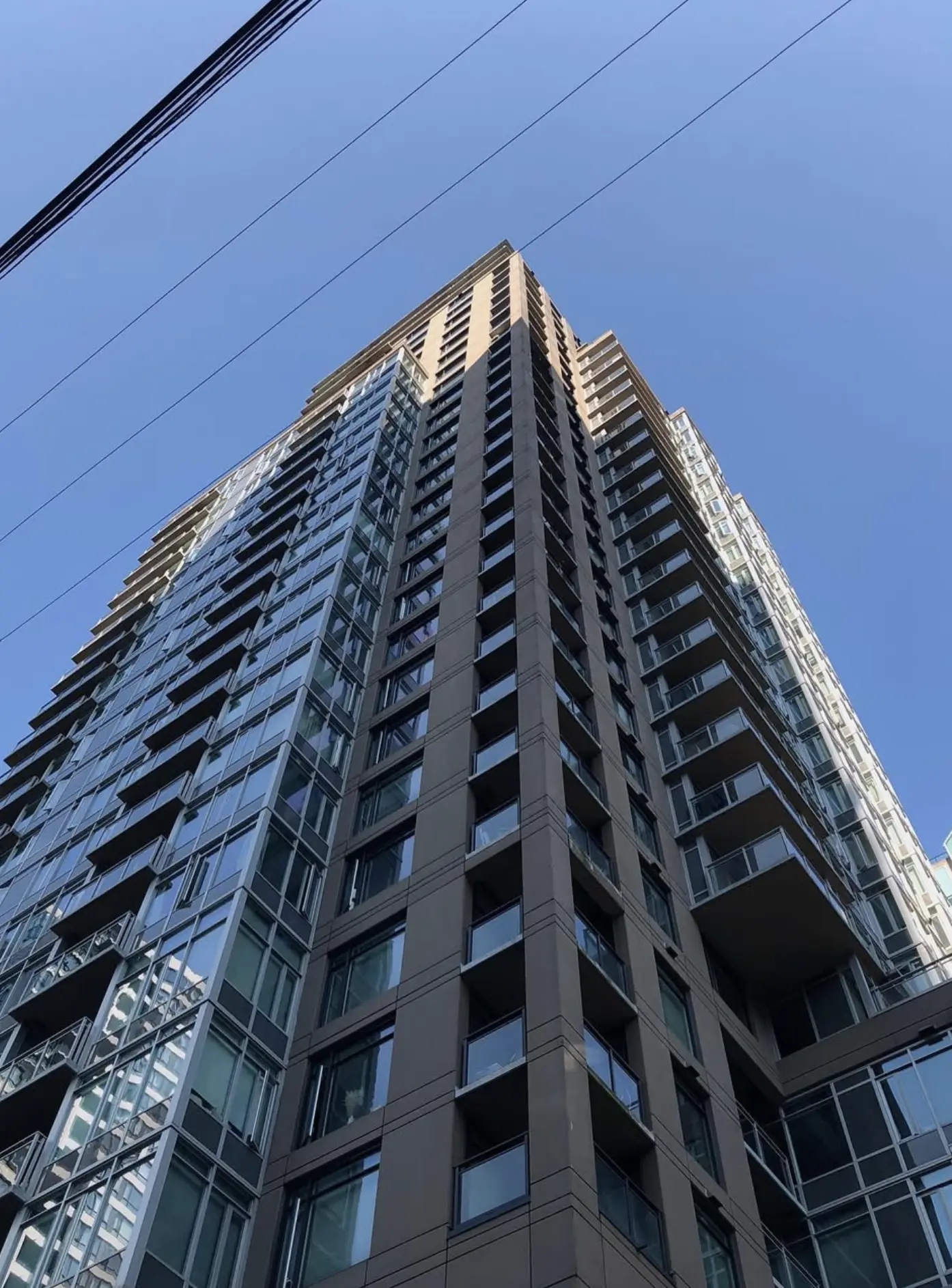
Where water-fed poles can’t reach and rope access isn’t possible, elevated work platforms (EWPS) such as boom lifts are used. These platforms allow access to entire surfaces of commercial buildings, especially those with French window panes or complex designs.
EWPS are also great for cleaning windows on multi-story homes and reaching upstairs windows safely, with all safety instructions and professional window cleaning service standards.
Window Cleaning Melbourne services often include EWP access for properties that need extra height coverage without compromising safety.
What Determines Tool Choice?
The method and tools we use depend on:
| Factor | Influence |
|---|---|
| Building type | Residential properties may only require water-fed poles, while commercial buildings often need rope access or EWPS. |
| Height and difficulty of access | The taller or more complex the façade, the more advanced the tools. |
| Type of windows | Tinted or old glass requires gentle cleaning solutions. |
| Frequency of cleaning | Frequent cleaning allows lighter equipment; infrequent cleaning may need deep scrubbing. |
| Weather conditions | Wind, heat, and rain affect the choice of detergent and tools. |
Local Know-How Matters
From beachfront apartments in St Kilda to office towers in the CBD, Melbourne window cleaning is unique. High-rise buildings with modern facades require different gear than older double-storey homes in leafy suburbs.
At Window Cleaning Melbourne Crew, we’re equipped for every situation. Whether it’s high-rise window cleaning Melbourne locals trust or detailed work for commercial properties, we bring the tools, training and expertise to every job.
Final Word
You might be tempted to clean upper-floor windows yourself with a basic ladder and hose. But high window cleaning is best left to the professionals — for your safety and the best results.
The combination of special gear, training and experience means:
- Less risk of injury.
- Faster and better cleaning.
- Longer-lasting streak-free finish.
Whether it’s commercial windows or a family home, regular window cleaning keeps your property looking fresh and well-maintained.
FAQ
Can I clean high windows myself with a hose or ladder?
It’s risky and often ineffective. Without the right tools like water-fed poles or safety harnesses, you could damage the glass or put yourself in danger.
How often should high windows be cleaned?
Every 3-6 months is ideal, depending on weather, pollution and traffic. Regular cleaning reduces long-term buildup and maintains the clarity of glass windows.
What’s the cost of high window cleaning?
Prices vary depending on access difficulty, building height, number of window panes and overall size. Residential window cleaning starts from $150, while commercial jobs are quoted on a case-by-case basis.
Do window cleaners work in bad weather?
We avoid high winds, heavy rain or extreme temperatures for safety reasons. Light rain won’t always cancel a job, but safety is always the top priority.
Are water-fed poles better than traditional methods?
They’re great for certain applications, especially where safety is a concern. But traditional squeegee methods still offer the best finish for detailed or small paned windows.