Pinnacles, Birdwatching

Birdwatching Near the Pinnacles: Species You Should Look For

Birding in Pinnacles National Park is awesome, you get to see so many birds in so many different habitats. From cliffs to valleys the park is home to many many bird species, including some rare migrants and birds of prey like the Golden Eagle and Prairie Falcon. Whether you’re an experienced birder or just a nature lover looking to get out and enjoy the park, this guide will help you make the most of your birding by pointing out some of the best species and birding spots in the park.

Located near King City in Central California, Pinnacles National Park is famous for its rock formations, vegetation and diverse ecosystems that support many bird species. The park has pine trees, grey pines, oak woodlands and open grasslands, so it’s a great habitat for both migratory and resident birds. Whether you’re hiking the Condor Gulch Trail, standing on the high cliffs of Balconies Cliff or walking the Moses Spring Trail, you’ll see many birds, from the soaring California Condor to the colourful Western Bluebird.

California Condor

No trip to Pinnacles National Park is complete without trying to see the California Condor. With a wingspan of up to 9.5 feet these endangered birds are one of the largest flying species in North America and are a great bird to see. The Pinnacles Desert is a critical reintroduction site for the species and today birders can see this bird soaring high above Machete Ridge or Condor Gulch.

The California Condor is not only a birding highlight but also a symbol of successful wildlife conservation. While they are often seen soaring on thermal currents above the park’s high peaks, condors can also be seen perched on the rocky cliffs. Be sure to bring binoculars to track these distant birds as they glide across the landscape. The Condor Gulch Trail is the best place to start your search, as it has panoramic views of the cliffs where condors roost.

Golden Eagles and Prairie Falcons

Birds of prey are the most exciting birds to see in Pinnacles National Park and none are more iconic than the Golden Eagle. These powerful hunters are often seen flying over the grey pines and open grasslands, scanning for prey. With their keen eyesight and hunting skills, Golden Eagles are a birder’s thrill. They are often seen above the Moses Spring Trail and Balconies Cliff, especially on a beautiful spring day when the thermal updrafts are strong.

Along with the Golden Eagle, the Prairie Falcon is another bird of prey that can be found at the Pinnacles. Known for their speed and agility, the Prairie Falcons nest in the park’s rocky crevices and cliffs, especially around Machete Ridge. They are smaller than the Golden Eagles but no less cool, often seen flying through the canyons looking for food. Their calls can be heard echoing off the cliffs, so if you have good ears, you can hear them. Balconies Cliff and the Condor Gulch Trail are the best places to see the Prairie Falcon in action.

Red-shouldered Hawk and Wedge-tailed Eagle

The Red-shouldered Hawk is also common at Pinnacles National Park, especially in the park’s edge habitats where woodlands meet open space. These hawks are known for their red shoulders and loud, distinctive calls. They are often seen perched in pines or soaring over the valleys, looking for small mammals and reptiles to eat. Birders can see them on the Moses Spring Trail, where the woodland and open space combination is the perfect hunting ground.

Golden Eagle, Pinnacles

Although native to Australia, we mention the wedge-tailed eagle because of its similar habits and size to that of the golden eagle. For international birding, parks like Nambung National Park and Jandakot Regional Park in Australia are great places to see species like the Wedge-tailed Eagle, Freckled Duck and Blue-billed duck. But if you’re local birding, the Pinnacles has plenty of native raptors to see.

Canyon Wren, Oak Titmouse, and Western Bluebird

While the park’s big raptors get all the attention, the Pinnacles tour has many smaller birds that add to the charm and colour of your birding experience. One of these is the Canyon Wren, a small brown songbird with a descending song that echoes through the canyons. This bird can be seen flitting around rocky outcrops and tree trunks, looking for insects. Listen closely as you walk near Balconies Cliff or the Moses Spring Trail, where the Canyon Wren is often heard.
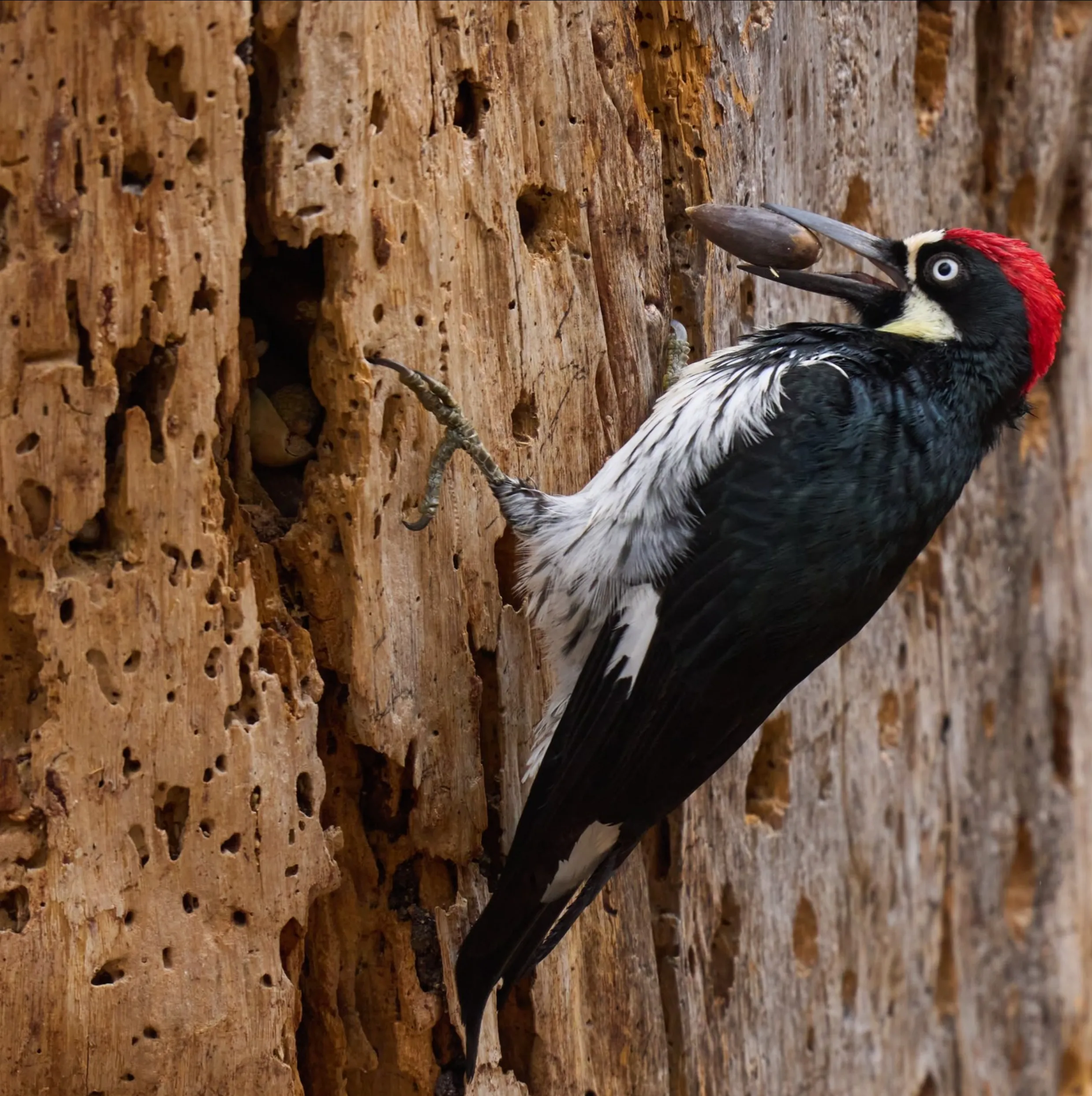
Acorn Woodpecker, Pinnacles

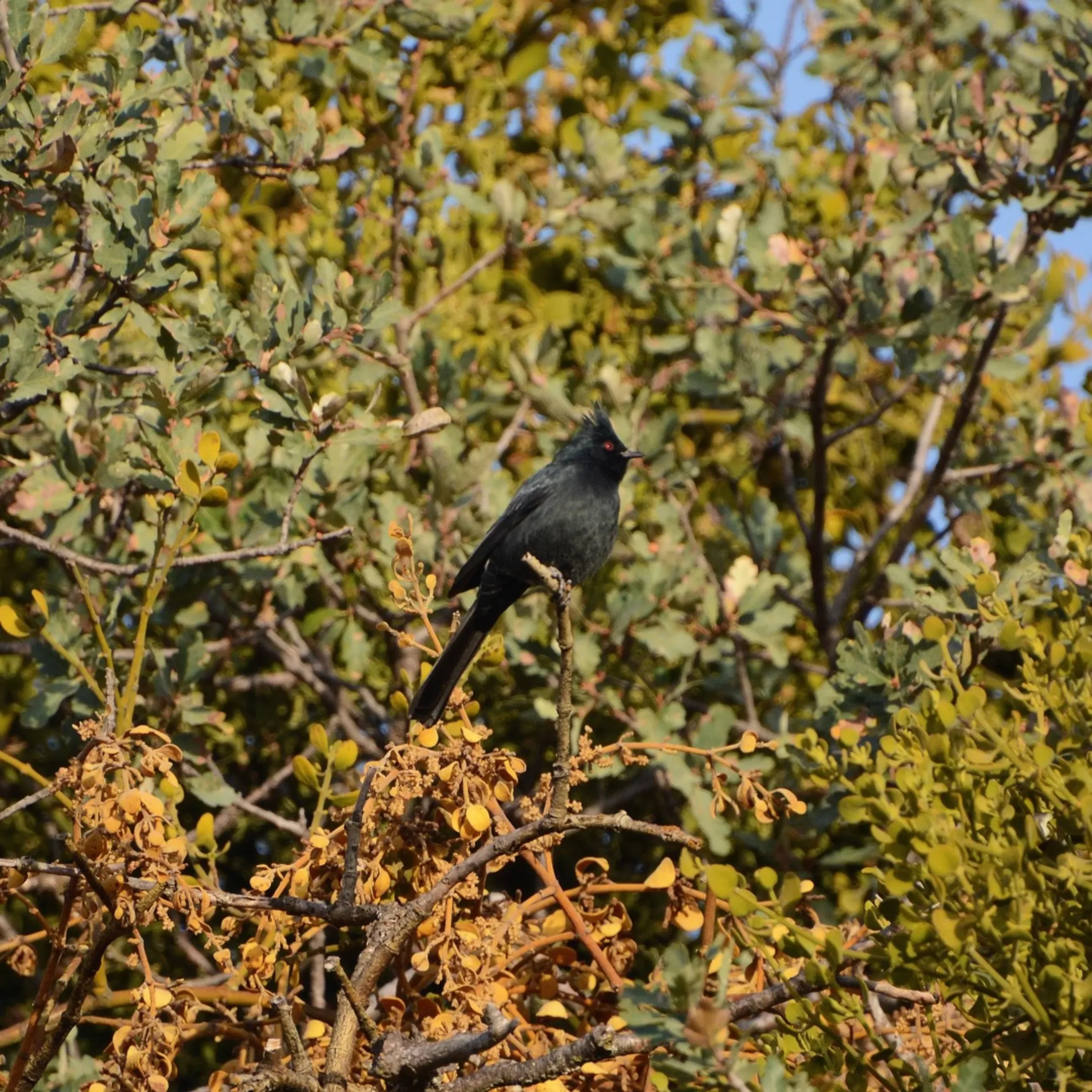
The Oak Titmouse is another small but busy bird found in the park’s oak and grey pine woodlands. This tiny, tufted bird is always on the move, hopping from branch to branch, looking for food. Their high pitched calls are easy to hear and they are often seen with other woodland birds like the Acorn Woodpecker.
birding trip, Pinnacles

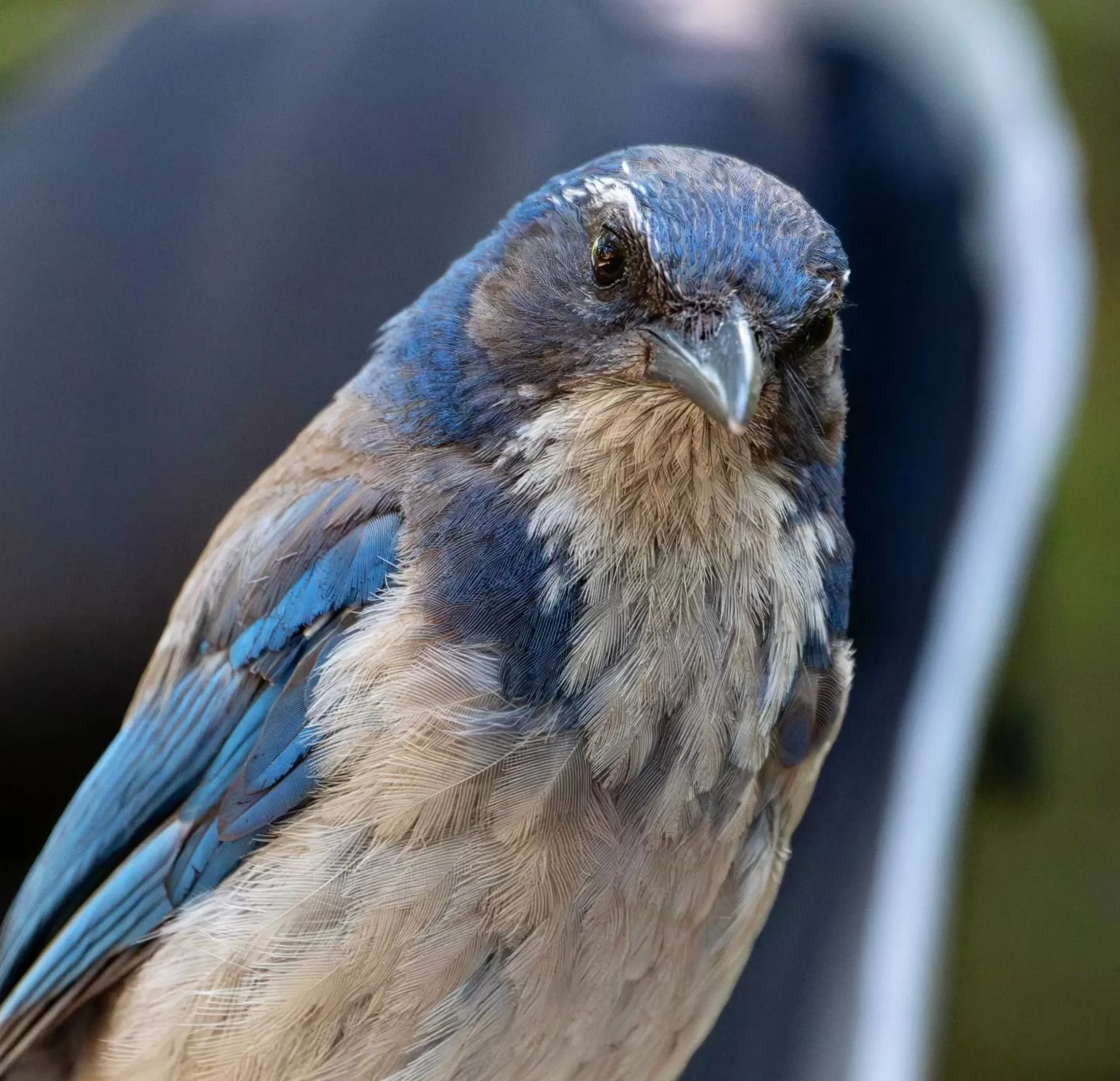
For a splash of colour, look for the Western Bluebird, a bright and cheerful bird that adds to any birding trip. These birds can be seen on fences, low branches or tree trunks, especially in the park’s open grasslands and meadows. Their blue plumage and orange chest make them a favourite among birders, especially in the spring when they are most active.

White-throated Swifts
bird to watch, Pinnacles

If you want to see aerial acrobats, the White-throated Swift is a bird to watch. These tiny birds are super fast and agile, often seen flying in groups near Machete Ridge or Balconies Cliff. Their white throats and sleek bodies make them easy to see against the rock face. White-throated Swifts are one of the most fun to watch, especially for birders who like to watch birds in flight.

Nocturnal Birds and Others

While most birding is done during the day at the Pinnacles, the park is also home to nocturnal birds, including owls. These birds are more secretive and harder to see, but their hoots can be heard after dark. For birders interested in nocturnal species, staying overnight in the park’s campgrounds might give you a chance to hear or even see owls hunting at night.

For international birders, consider a trip to Australia’s Nambung National Park or Jandakot Regional Park, where you can see species like the Black Cockatoo, Fairy Wren and Bird Orchid. These parks are known for their bird species diversity and are a unique birding experience.

Birding Tips for Pinnacles National Park

Australian Pinnacles tours
  • Bring Binoculars: The Pinnacles terrain is rough so binoculars are a must for spotting birds in the distance, especially large raptors like the California Condor and Golden Eagle.
  • Go Early: Mornings are the best time for birding as birds are most active, and the light is good for seeing the park’s many birds.
  • Check the Visitor Center: The centers are great for tips and park info and for updates on bird sightings and trails.
  • Respect the Wildlife: Be mindful of the park’s natural environment and don’t disturb the birds or their habitats, especially during breeding season.

Conclusion
Pinnacles Desert tour

Birding at Pinnacles National Park is for all birders. With its varied habitats from rocky cliffs to oak and gray pine woodlands, the park is a haven for both migratory and resident birds. Whether you want to see the California Condor soaring, the Prairie Falcon flying or the Western Bluebird flitting, this park has it all.


FAQ 

What birds can I see at Pinnacles National Park?

California Condor, Golden Eagle, Prairie Falcon, Red-shouldered Hawk, Western Bluebird, Canyon Wren. The park has many habitats to see birds.

Where to bird?

Condor Gulch Trail, Moses Spring Trail, Balconies Cliff. These areas have birds of prey and more.

When to bird?

Spring and fall are best, but birding is good year round. Different species are active at different times.

Tips for birding location at Pinnacles?

Bring binoculars, go early in the morning, check the visitor center for tips and current sightings.

Are there guided birding tours?

Yes, Pinnacles National Park occasionally offers guided birding Pinnacles tours. Check the centers for tips and schedules.


Punt Road Wines

Live Music Summer Sessions at Punt Road Wines

Punt Road Wines in the Yarra Valley is famous for its wine and scenery. This summer we’re taking it to the next level with our Live Music Summer Sessions, a community event with music, food and good times. Whether you’re local or visiting Yarra Glen, this is a fun, energetic day with live music, great food and great wine.

Punt Road Wines

Located in the Yarra Valley, Punt Road Wines is famous for its wines and its summer sessions. The winery is surrounded by the Yarra Valley vineyards, with stunning views to match the live music. Surrounded by beautiful scenery it’s the perfect place for our Live Music Summer Sessions. This community event celebrates the region’s creative culture with headline Australian acts, local talent and even international artists. You’ll see everything from acoustic sets to full on dance music festivals, something for everyone.

Yarra Valley Dairy and local produce are often showcased at these events so you can enjoy cheese pairings with your wines. Wine tours of the Yarra Valley allow you to visit local vineyards and learn about the region’s wine history. The Live Music Summer Sessions fit in perfectly with this, with live music and top shelf wine on top.

What to expect

Lineup

Performances, Punt Road Wines

The Live Music Summer Sessions have a range of talented artists including Kate Ceberano, a headline Australian act and international performer Tessa Devine making her Australian debut. Whether it’s an intimate afternoon or an energetic evening with dance music and dancing on the floor, there’s always something happening. Performances are from soulful acoustic sets to full on shows that keep the crowd dancing all day.

Food and Wine

Punt Road Wines has a great selection of food options including gourmet charcuterie platters, 4 course shared menus, 2 course lunches with wine. Whether you’re having a 3 course set menu, 5 course set menu or 4 course shared menu each meal is designed to match the wines made on site. Guests can enjoy the Punt Road Picnic Pantry, a great spot to sit with friends and enjoy a range of beverages at menu price or a beverage package for an all inclusive experience. Melbourne wine tours often visit local wineries like Punt Road so you can experience the best of the region’s wine while enjoying the live music.

Groups and Intimate Events

Wines, Punt Road

Perfect for groups, whether with friends, family or colleagues. Tables for 8-12 people and options for larger celebrations. A dream wedding or hands on experience. The garden grounds are perfect for private events or event spaces for your next special occasion. And if you want to explore more of the Yarra Valley, Punt Road Wines offers wine tours and experiences like chocolate tastings and other creative experiences.

Summer Sounds and Scenic Views

glass of wine, Punt Road Wines

Performances are held on the outdoor stage so you can sit back and enjoy the 7 acre garden, the perfect spot to relax and celebrate. The venue is located in Yarra Glen VIC 3775 and has stunning views and is the perfect spot to enjoy a glass of wine or a cocktail. You can take in the views while enjoying a 2 course lunch or an evening of fine dining. After lunch or dinner, feel free to wander the estate and enjoy the peacefulness of the Yarra Valley vineyards.

Why Go to the Live Music Summer Sessions?

For All Ages and Interests

nice evening, Punt Road Wines

A great excuse to have a nice evening and celebrate the Yarra Valley. Music lover or just looking for a fun way to spend an afternoon. Morning tea and wine tastings to energetic evenings of live music. For families, friends or a more intimate experience.

Yarra Valley Experience

Ironbark Fields, Punt Road

It’s not just about live music – it’s about being part of the Yarra Valley culture. With attractions like Rochford Winery Concert Lounge, Royal Botanic Gardens Melbourne and the Melbourne Tram Museum nearby, your visit to Punt Road Wines can be a day of discovery and fun. Spend the day at Healesville Country Club & Resort, take a drive through the Dandenong Ranges or visit Ironbark Fields for an adventure. For the ultimate experience stay overnight in the Yarra Valley and do wine tours to explore more of the region’s vineyards and wineries.

For Groups and Special Occasions

Hosting an event? The Live Music Summer Sessions are the perfect venue for weddings, corporate events. The relaxed atmosphere and beautiful setting makes Punt Road Wines the ideal spot for event spaces for small and large groups. 2 hour event, 6 course shared menu or 5 course set menu – we’ve got you covered.

Conclusion

Live Music Summer Sessions at Punt Road Wines is the ultimate combination of music, food and wine. Set in the beautiful Yarra Valley Dairy this annual event is for anyone who wants to experience the region and have a great afternoon or evening out. Whether you’re in the gardens, the Rochford Winery Concert Lounge or just soaking up the scenery the sessions will be a real treat.

FAQs

When are the Live Music Summer Sessions at Punt Road Wines?

Held over summer weekends. Check the winery website for dates and times.

Is there an entry fee for the Live Music Summer Sessions?

Yes there is a small entry fee. Check the Punt Road Wines website for pricing and details.

Can I bring my own food and drink?

Punt Road Wines has food and drink available for guests. Best to enjoy on site.

Is this family friendly?

Yes! The event is all ages and has plenty of outdoor space for kids to play and enjoy the music in a casual setting.

Can I book a private event at Punt Road Wines during the summer sessions?

Yes Punt Road Wines has private event packages for groups wanting to host weddings, birthdays or corporate events.

Top Things to Do in Portland on the Great Ocean Road

Top Things to Do in Portland on the Great Ocean Road

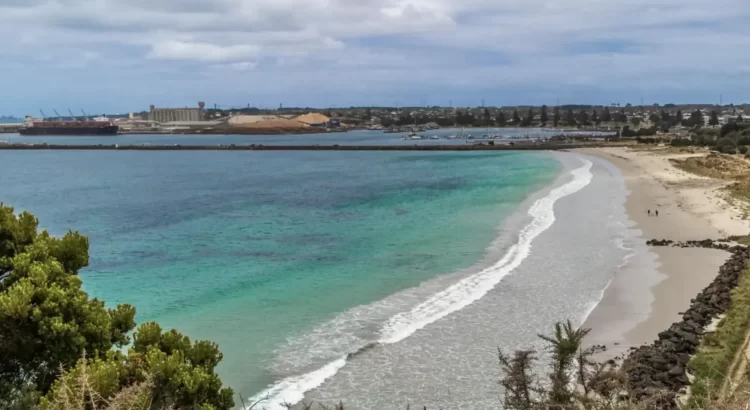
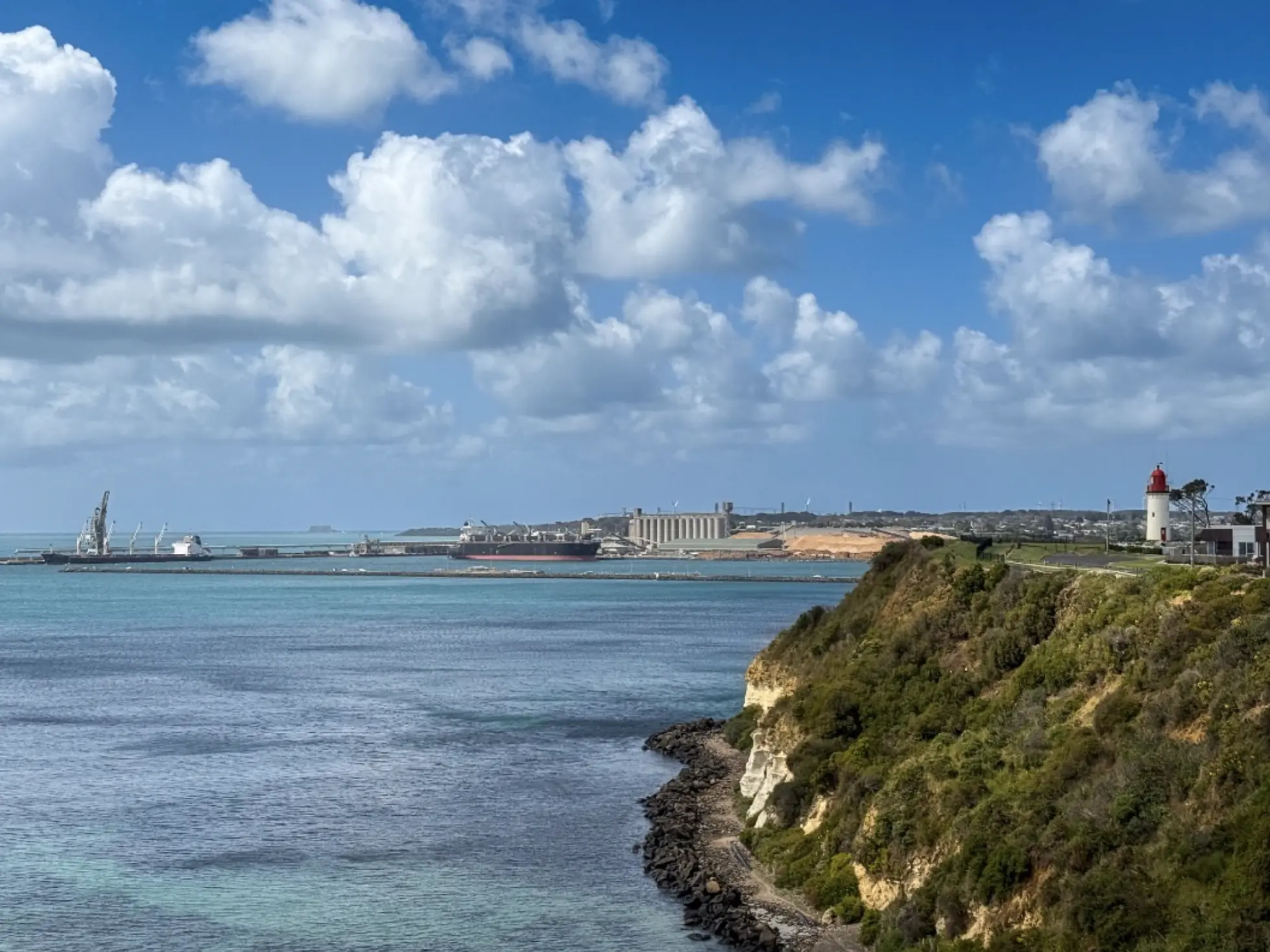
At the far western end of the Great Ocean Road, Portland is a secret gem in Victoria, Australia. This coastal town is steeped in history, full of natural beauty and has heaps of things to do. Whether you’re an adventurer, a history nut or a nature lover, Portland has something for you. Here are the top things to do in Portland.

Portland Victoria

1. Visit Cape Nelson

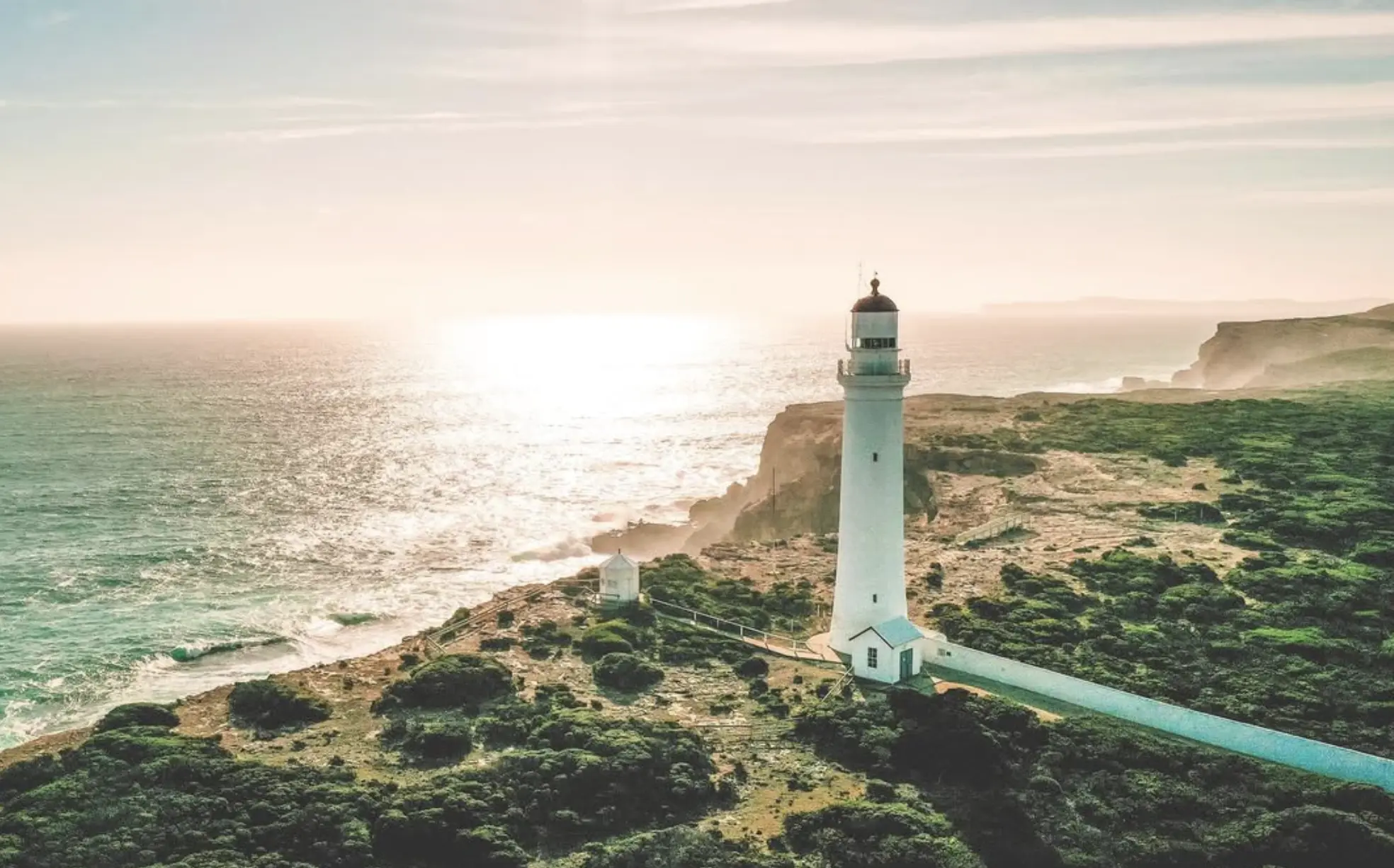
Lighthouse Take a guided tour of the Cape Nelson Lighthouse, a historic lighthouse that has guided ships along the coastline since 1884. Enjoy the views, spot local wildlife and learn about the maritime history of the area. The surrounding cliffs and coastal views make it a photographer and history buffs paradise.

Cape Nelson Lighthouse

2. Explore the Petrified

Forest Just outside Portland is the Petrified Forest, a natural wonder. Take a short drive and walk among the ancient limestone formations, which look like tree trunks, and marvel at the surreal landscape. The surrounding cliffs provide stunning views of the coastline, and the nearby beaches are perfect for relaxing.

3. Portland Maritime Museum

Get into the maritime history of Portland at this museum. Highlights include shipwreck stories, a great collection of whaling artifacts and the famous Portland lifeboat. The museum’s exhibits tell the story of this seaside town’s fascinating history and heritage and its role in maritime trade and exploration.

4. Whale Watching

May to October is whale watching season in Portland. Southern Right Whales can be seen from the shore or on a boat tour. Head to the Portland Bay lookout points for the best views and an unforgettable experience during the annual migration of these gentle giants. Don’t forget your camera to capture the turquoise water.

5. Cape Bridgewater

Just outside Portland is Cape Bridgewater with stunning beaches, the famous Bridgewater Blowholes and the largest fur seal colony in Australia. Don’t miss the scenic drives along the cliffs for the best views of the turquoise water and rugged coastline. The beaches and temperate rainforest make it a must-see for nature lovers and outdoor enthusiasts.

Cape Bridgewater

6. Portland Botanic

Gardens Established in 1857, the Portland Botanic Gardens is a peaceful retreat. Take a stroll through the beautifully maintained gardens, see the historic trees and relax in this serene environment. A great spot for nature lovers to enjoy nature and forests. Accessibility for people with visual impairment and other needs is built in.

7. Ride the Portland Cable Tram

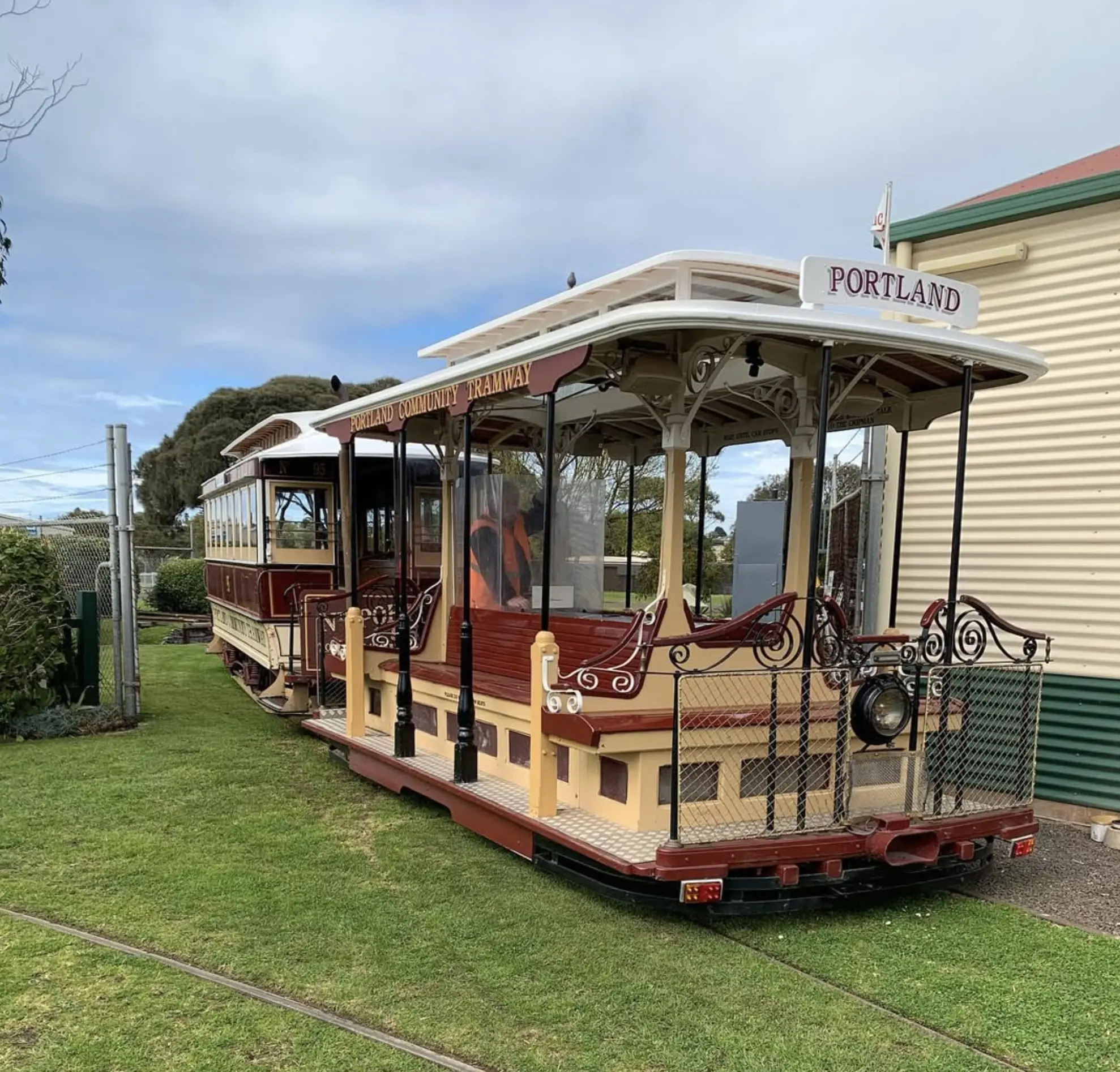
Ride the Portland Cable Tram and experience Portland’s history. This restored tram runs along the waterfront and through various historic sites, it’s a great way to combine scenic routes with a history of the town.

Portland Cable Tram

8. Go fishing at Portland Bay

Portland Bay is a fisherman’s paradise. Cast off the Lee Breakwater or join a fishing charter and catch snapper, tuna or King George whiting. Public access to these fishing spots makes it a great outdoor adventure for everyone. Beach access and public toilets nearby.

9. Eat local seafood

Portland is famous for its seafood. Visit local restaurants and try dishes made with the day’s catch, southern rock lobster and abalone. This coastal town has many dining options featuring the flavours of the south coast, so it’s a must eat destination for foodies.

10. Take a Scenic Helicopter Flight

For the ultimate experience, take a scenic helicopter flight over Portland and its coastline. See the cliffs, beaches and landmarks from the air. The views from above are the best way to see the coastal waters and this destination like never before. It’s the perfect way to appreciate the natural beauty of the south coast.

11. Walk through ancient forests

Walk through the ancient rainforest near Portland and explore the forests, temperate climate and unique flora. These quiet trails surrounded by tall trees and forest floor are an escape into nature. Native wildlife sightings are a bonus to this outdoor adventure.

12. Find the Spirit of Reconciliation

Portland has a rich Indigenous history. Join cultural tours or visit sites that showcase the spirit of reconciliation and the ongoing partnerships between communities. Learn about the area’s traditions, stories and connection to the land.

Nearby Attractions

While you are in the area, visit nearby must-see destinations like the Twelve Apostles and Warrnambool. These iconic spots have sun, stunning views and history. Or try a customised Great Ocean Road trip planner from Autopia Tours for an unforgettable experience of the area. For the adventurous, head to the Otways for more coastal views and rainforests.

Great Ocean Road tour

FAQ

When is the best time to visit Portland on the Great Ocean Road?

Spring (September to November) and summer (December to February) are the best time for Great Ocean Road tours to Portland for a good weather and outdoor activities. For whale watching, visit between May and October.

How do I get to Portland from Melbourne?

Portland is 4 hours from Melbourne via the Princes Highway. Or take the train and bus or book a guided Melbourne Great Ocean Road tours that includes transport.

Are there places to stay in Portland?

Yes, Portland has hotels, motels, holiday parks and charming B&Bs to suit all budgets and styles. Many also meet accessibility standards so everyone can be comfortable.

What are the top family-friendly activities in Portland?

Families can enjoy the Portland Cable Tram, Portland Botanic Gardens, whale watching, Cape Bridgewater’s beaches and blowholes. The town also has public toilets and beach access, so everyone gets a fair go.

Is Portland for outdoor types?

Yes! Portland is for outdoor enthusiasts, hiking, fishing, kayaking, wildlife spotting and coastal scenery. For the adventurous, there are heaps of activities and natural wonders to discover, from the forest floor of the temperate rainforest to the southern coast.

Microblading

Prepare for Microblading: Steps for Perfect Brows

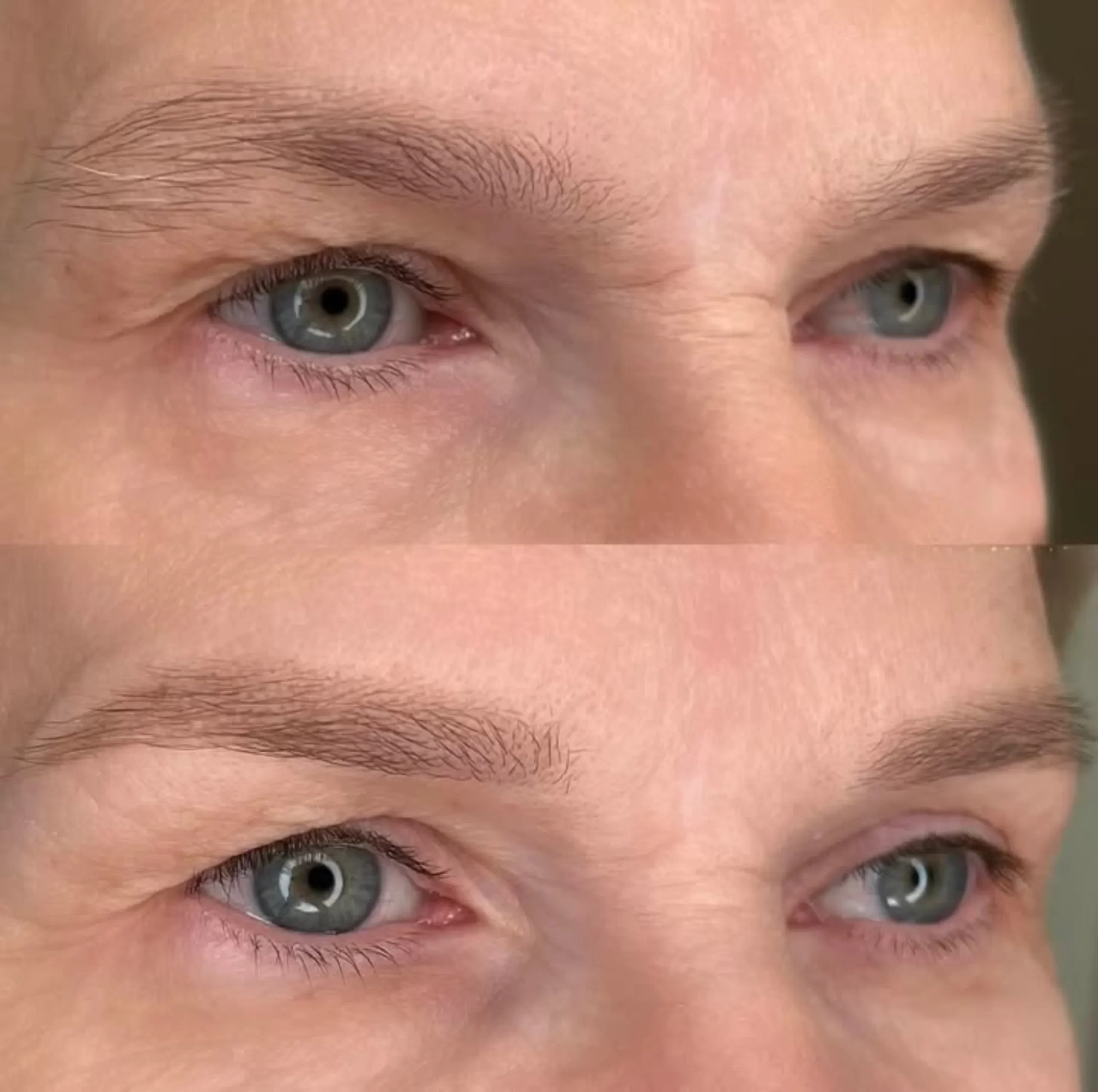
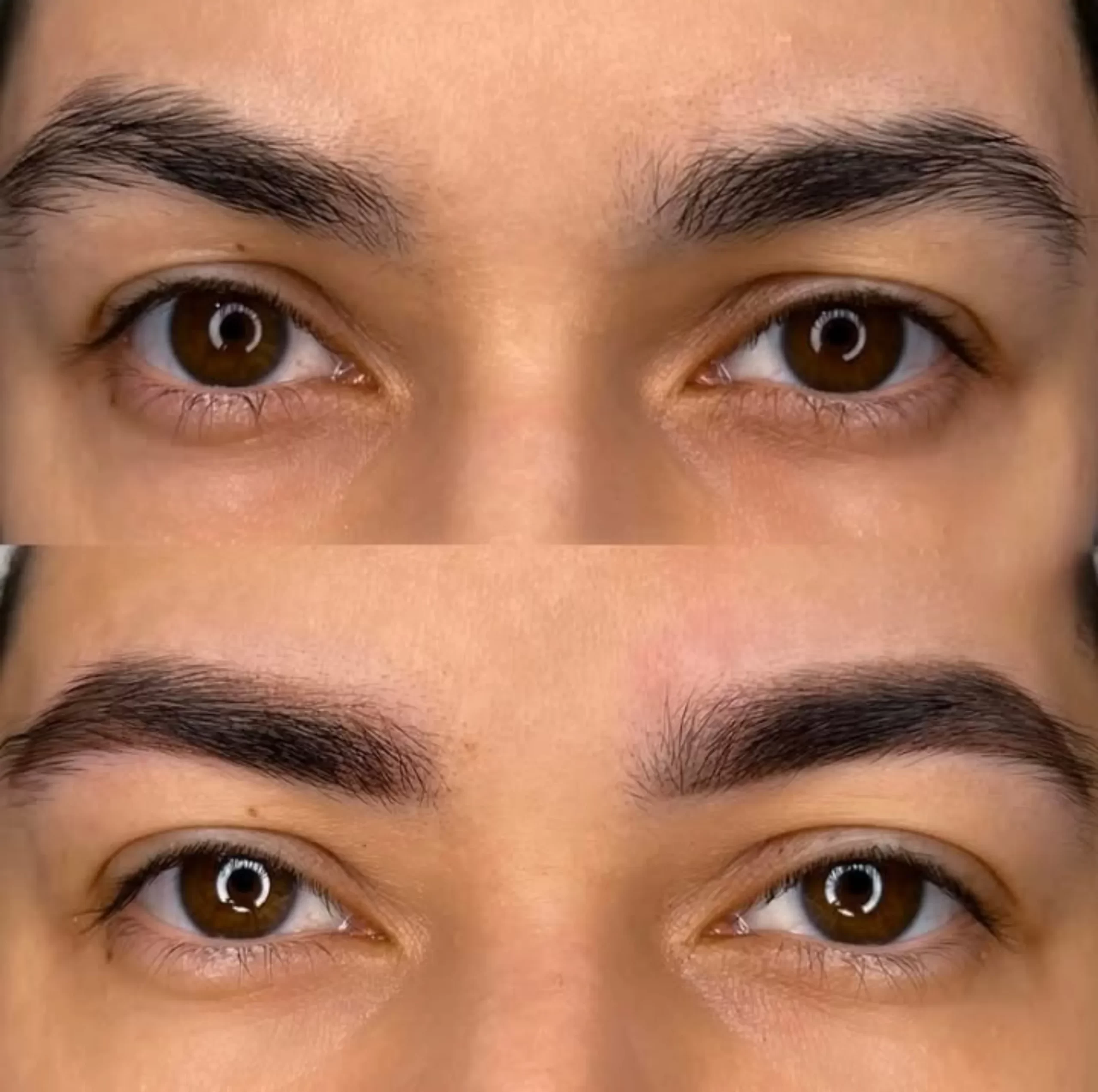
Microblading is a semi-permanent cosmetic procedure that creates natural-looking fine hair-like strokes. To get the best results, a smooth healing process and long-lasting results, it’s important to prepare for your microblading appointment. This guide covers the steps to get your skin ready for the procedure and get your dream brows.

Cosmetic brow tattoos like microblading are becoming increasingly popular for fuller, natural-looking brows. Knowing the differences between the two can help you choose the right one for your desired results.

Book a Consultation

cosmetic eyebrow tattoo

Before you commit to the microblading procedure, book a consultation with a qualified microblading artist. Discuss your desired brow shape, colour and thickness. Your technician will assess your skin type and tone to give you personalized advice on what to expect and how to prepare your skin for the procedure. Photos of brows you like can be helpful to communicate your preferences.

Don’t Take Certain Medications and Supplements

Some medications and supplements can thin your blood or make you more sensitive, which can affect the microblading process and healing. Avoid the following for at least 72 hours before your appointment:

  • Aspirin, ibuprofen and other blood thinners
  • Fish oil supplements and other natural blood thinners
  • Excessive alcohol and caffeine

Blood thinning supplements and medications can cause pigment loss and make it harder for the pigment to settle in the upper layers of the skin. Consult your doctor if you’re unsure about any medications.

Avoid Harsh Skincare Products

powder brows

Don’t use skincare products containing retinol, glycolic acid or other exfoliating agents on your brow area for at least 2 weeks before your microblading appointment. These products can make your skin more sensitive and cause irritation and pigment retention during the procedure.

Let Your Brows Grow

microblading eyebrows

Don’t wax, thread, twease or tint your brows for at least 2 weeks before your appointment. Your natural brow hair growth pattern will help the technician design the best shape for your brows. Fuller, natural-looking brows will be the base for your dramatic brow transformation.

Protect Your Skin from the Sun

Direct sunlight and excessive sun exposure can make your skin sensitive and affect pigment retention. Avoid tanning beds and sunbathing for at least 2 weeks before the procedure. Keep your skin healthy and hydrated. Burnt or damaged skin is not ideal for microblading.

Stay Hydrated and Rested

eyebrow tattooing

Healthy skin is key to a successful microblading process. Drink plenty of water and get plenty of sleep before your appointment. No hot baths or steamy showers in the days leading up to the procedure to avoid skin irritation.

Tell Us About Your Health

If you have any health conditions (blood clotting disorder) or are on certain medications, let us know during your consultation. Pregnant or breastfeeding clients may be advised to wait. Transparency is key to safe and successful results.

Follow Pre-Procedure Instructions

cosmetic tattoo

Your technician will give you aftercare instructions and a pre-procedure checklist. Follow these instructions to avoid complications like pigment loss or uneven brows. Keep your skin clean and makeup-free on the day of the procedure so the area is ready for treatment.

Plan for Aftercare

Get an aftercare kit that includes antiseptic cream, Aftercare Ointment and a mild cleanser. Please don’t get your brows wet or expose them to salt water, hot water or sweat during the healing process. A fresh pillowcase and no makeup on the brow area is also recommended to prevent infection.

What to Expect

Healing takes 10-14 days, and the results will be visible weeks after the procedure. Some pigment fading and peeling will occur as your brows heal. Don’t touch or scratch the area to prevent uneven pigment retention. Follow-up appointments are key to long-lasting results.

By following these, you’ll have a smooth microblading experience and natural-looking brows.

FAQ

How long does it take to heal?

10-14 days. However, it takes up to 4 weeks for the pigment to fully settle and show the final results. Proper aftercare (using a healing balm and no hot showers) is key.

Can I wear makeup before my appointment?

Don’t wear makeup on the day of your appointment, especially around the brow area, so the skin is clean and ready for the procedure.

Will it hurt?

Most technicians use a numbing cream to minimize the discomfort. Some clients report a mild scratching sensation, but it’s generally well-tolerated when done by an experienced brow artist with a handheld tool.

How long does it last?

Microblading lasts 1-2 years, depending on skin type, lifestyle and aftercare. Regular touch-ups will help maintain your perfect brows and long-lasting results.

Can I exercise?

Avoid intense exercise, swimming and saunas for at least 7-10 days after the procedure. Excessive moisture and sweat can interfere with the healing process and pigment retention.

What is Darwin famous for?

The Life and Contributions of Charles Darwin

Charles Darwin, an English naturalist, is primarily famous for his theory of evolution through natural selection. Born in 1809 in Shrewsbury, England, Darwin embarked on a five-year scientific expedition on HMS Beagle in 1831, which served as the foundation for his groundbreaking work.

Evolution through Natural Selection

Darwin’s theory of evolution through natural selection suggests that all species, including humans, have evolved over time from a common ancestor through a process of gradual changes. He proposed that organisms possessing favorable traits for their environment are more likely to survive and reproduce, leading to the propagation of these advantageous traits in subsequent generations.

The Origin of Species

In 1859, Darwin published his influential book “On the Origin of Species,” which presented his theory of evolution in detail. This work revolutionized biology and challenged the prevailing belief in the fixity of species. Darwin’s ideas ignited scientific debates and had profound implications for various fields of study.

Fossil Evidence

Darwin’s theory of evolution was supported by the presence of fossil evidence that showcased transitional forms of species, demonstrating alterations in their characteristics over time. Fossils provided crucial insights into the process of evolution and served as compelling evidence for Darwin’s claims.

What is Darwin famous for?

The Galapagos Islands

During his expedition on the HMS Beagle, Darwin visited the Galapagos Islands, where he made significant observations that contributed to his theory of evolution. Notably, the diverse range of animal species on these islands had adaptations specific to their particular habitats. Darwin noted that similar species had distinct traits on different islands, which he hypothesized was due to their isolation and subsequent adaptation to their respective environments.

Impact on Science and Society

Darwin’s theory of evolution had a profound impact on both scientific understanding and societal beliefs. It revolutionized biology and provided a comprehensive explanation for the diversity of life on Earth. However, his ideas were controversial and sometimes confronted religious views, as they challenged the notion of creationism. Despite initial resistance, Darwin’s work paved the way for further research, shaping the field of biology and our understanding of the natural world.

In conclusion, Charles Darwin is famous for his theory of evolution through natural selection, as presented in his influential book “On the Origin of Species.” His observations and scientific expedition on the HMS Beagle, particularly in the Galapagos Islands, provided vital insights into the process of evolution. Darwin’s ideas revolutionized biological science and challenged traditional beliefs, leaving a lasting impact on our understanding of life on Earth.

Darwin and Natural Selection: Crash Course History of Science #22

Can you walk the base of Uluru on your own?

The Majestic Uluru

Uluru, also known as Ayers Rock, is an iconic rock formation located in the heart of Australia’s Northern Territory. It is considered one of the country’s most recognizable landmarks and a must-visit destination for many tourists.

Walking around Uluru

One of the most common questions asked by visitors is whether it’s possible to walk around the base of Uluru on your own. The answer is yes, you can walk around Uluru independently. However, it is important to note that the local Anangu people, the traditional owners of the land, prefer visitors to respect their indigenous culture and not to climb Uluru.

Rules and regulations

While you can freely explore the base of Uluru, there are rules and regulations in place to ensure the protection and preservation of this sacred site. It is advised to stay on designated paths and respect all signs and instructions. These guidelines are implemented to maintain the cultural significance and natural integrity of Uluru.

  • Stick to the designated walking tracks;
  • Can you walk the base of Uluru on your own?
  • Do not touch or remove any rocks or plants;
  • Do not disturb any wildlife you may encounter;
  • Refrain from taking photos or videos in restricted areas;
  • Respect any temporary closures or restrictions;
  • Leave nothing but footprints, take nothing but photographs;
  • Dispose of any rubbish in designated bins;
  • Refrain from smoking, as it is both disrespectful and a fire hazard.

What to expect during the walk

Walking around the base of Uluru is an incredible experience that allows you to truly appreciate the size and natural beauty of this geological wonder. The base walk is approximately 10 kilometers long and takes around 3 to 4 hours to complete.

During the walk, you will have the opportunity to admire the unique rock formations, ancient cave paintings, and learn about the rich cultural heritage of the Anangu people from informational signs along the way. You will also have breathtaking views of the surrounding desert landscape and witness the changing colors of Uluru during sunrise or sunset, which are truly magical moments.

Yes, you can walk the base of Uluru on your own, as long as you respect the rules and regulations put in place to protect this sacred site. Enjoy the awe-inspiring beauty and immerse yourself in the spiritual significance of Uluru, an experience that will stay with you forever.

Uluru, NT – Stunning base walk tour around it / Ayers Rock

How much does it cost to see Uluru?

Uluru, also known as Ayers Rock, is a stunning natural wonder located in the Australian Outback. It is a sacred site for the local Indigenous people and attracts millions of visitors each year. If you are planning a trip to see Uluru, it’s important to know how much it will cost. In this article, we will break down the various expenses associated with visiting Uluru, including transportation, accommodation, park fees, and additional activities.

Transportation

Getting to Uluru can be a bit of a journey, especially if you are traveling from a major city like Sydney or Melbourne. The most common way to reach Uluru is by flying into either Alice Springs or Ayers Rock Airport, both of which offer direct flights from major Australian cities. The cost of airfare will vary depending on your departure location and the time of year you are traveling.

If you prefer to drive, you can rent a car and embark on a road trip to Uluru. This option allows you to explore the surrounding areas at your own pace, but it is important to consider the cost of fuel and any additional expenses such as accommodation and meals along the way.

Accommodation

There are several accommodation options near Uluru, ranging from budget-friendly campsites to luxury resorts. The cost of accommodation will depend on your preferences and budget. If you are looking for a unique experience, you can even choose to stay in a traditional Indigenous-owned eco-lodge.

It’s worth noting that camping is a popular option among budget-conscious travelers. There are several campgrounds near Uluru that offer basic facilities such as toilets and showers. Keep in mind that camping fees and equipment rental costs may apply.

Park Fees

How much does it cost to see Uluru?

To access the Uluru-Kata Tjuta National Park, where Uluru is located, you will need to pay an entry fee. As of [current year], the cost for adults is [price] and children under [age] can enter for free. The park fee is valid for [number of days] and allows you to explore both Uluru and Kata Tjuta.

Additional Activities

In addition to admiring Uluru from a distance, there are several activities that you can enjoy during your visit. For example, you can take a guided walk around the base of Uluru, learn about the local Indigenous culture and history, or experience the breathtaking sunrise or sunset views. The cost of these activities will vary depending on the provider and the duration of the tour.

Visiting Uluru is an unforgettable experience that offers a unique glimpse into the beauty and cultural significance of the Australian Outback. The total cost of seeing Uluru will depend on factors such as transportation, accommodation, park fees, and additional activities. By planning ahead and budgeting for these expenses, you can ensure a memorable trip to this iconic landmark.

Uluru / Ayers Rock Explained in under 3 minutes

How much time do you need in Uluru?

Introduction:

Uluru, also known as Ayers Rock, is a breathtaking natural wonder located in the heart of Australia’s Red Centre. This iconic sandstone formation is revered by the Aboriginal people and attracts millions of visitors each year. If you’re planning a trip to Uluru, you might be wondering how much time you need to fully experience this magnificent destination. In this article, we’ll explore the ideal duration for your visit and the must-see attractions around Uluru.

Recommended Timeframe:

The recommended timeframe for a trip to Uluru depends on the activities you plan to do and your personal preferences. However, most visitors find that spending at least 2-3 days in the area allows for a comprehensive experience.

Day 1: Arrival and Sunset

On your first day, arrive at Uluru and check into your accommodation. Start your visit with a leisurely walk around the base of Uluru, immersing yourself in its natural beauty and sacred significance. As the day comes to a close, make sure to witness the spectacular sunset over Uluru, which paints the rock in vibrant hues of red and orange.

Day 2: Sunrise and Cultural Experiences

Wake up early to catch the mesmerizing sunrise over Uluru, offering a contrasting yet equally captivating scene. After breakfast, engage in various cultural experiences offered in the area. Join a guided tour led by Aboriginal elders to gain insights into their rich heritage, traditional practices, and ancient rock art. These experiences provide a deeper understanding of Uluru’s spiritual significance.

Day 3: Kata Tjuta and Wildlife Encounters

How much time do you need in Uluru?

On your final day, explore the nearby geological formation called Kata Tjuta, also known as the Olgas. Embark on a hike through the Valley of the Winds, where you’ll be rewarded with breathtaking views of the surrounding landscapes. In the afternoon, visit the Uluru-Kata Tjuta Cultural Centre to learn more about the region’s natural and cultural heritage. Wrap up your trip with wildlife encounters, as Uluru is home to various unique species like kangaroos, emus, and reptiles.

Extended Stay:

If you have more time to spare, consider extending your stay in Uluru to explore the surrounding attractions. You can take a scenic helicopter ride over the rock formations, go on a camel trek through the desert, or even embark on a camping adventure to truly connect with nature.

Conclusion:

Uluru is a destination that deserves more than just a brief visit. To fully appreciate its beauty and cultural significance, plan to spend at least 2-3 days in the area. With the right amount of time, you can witness mesmerizing sunrises and sunsets, immerse yourself in Aboriginal culture, explore other nearby attractions, and encounter unique wildlife. Your trip to Uluru will undoubtedly be a memorable and enriching experience.

ULURU | How To Spend 3 Days In The Red Centre

Wineries and cellar doors of the Great Ocean Road

During Great Ocean Road tours, visitors can explore the area’s breweries, distilleries, and wineries. Local artisan makers use high-quality ingredients and pure water from the Otway rainforests in their craft. It’s an excellent opportunity to sample their products while enjoying the fresh ocean air.

Great ocean road

Through the vines

The wineries along the Great Ocean Road offer a variety of vintage and non-vintage wines, including European-style Riesling, elegant Pinot Noir, and typical Australian sparkling Shiraz or Chardonnay, catering to different preferences.

Wineries on the Great Ocean Road

There are some tremendous excellent climate wineries in this region. You can create your wine tour, visit cellar doors for tastings, and sample local produce. You can also enjoy a long lunch among the vines. Whether you’re looking for a place with live music, a family-friendly venue, or a romantic getaway, here’s a list of vineyards to explore.

Bellbrae Estate

Bellbrae Estate Winery is located on the Great Ocean Road amidst the rolling hills of the Surf Coast. It is just five minutes away from Bells Beach. The nearby sea and surf influence the winery, with local surf break names on the labels. You can visit the cellar door for wine tastings or enjoy wood-fired pizzas and live music on Sundays. Relax on the lawn with a glass of Winkipop sparkling Shiraz or Bells Syrah.

Heroes Vineyard

The Heroes Vineyard is a featured destination on the Otway Harvest Trail, focusing on organic wines and sustainability. And yes, the name is a nod to David Bowie! The vineyards are not irrigated and are grown organically, without synthetic pesticides. The wines are produced with minimal intervention, which allows for high-quality wines for cool climates. The winery is child- and dog-friendly on weekends from December to Easter. Please pick up a bottle of their sparkling rosé, Deeds Not Words; we think Bowie would approve.

Basalt Vineyard

A boutique vineyard can be found along the Great Ocean Road between Warrnambool and Port Fairy for visitors to discover. Basalt offers organic and biodynamic wines that benefit from the fertile volcanic soils of the region. At the cellar door, you can sample wines and enjoy tapas. Stay for a long lunch featuring seafood and award-winning riesling. While you relax with wine and conversation, kids can play and explore farm life, meeting babydoll sheep, ducks, and chickens.

Keayang Maar Vineyard

Keayang Maar is a family-run vineyard in a dairy-farming country with views of a dormant volcanic crater. Visitors can enjoy beautiful wines with excellent climate and stunning views. The cellar door is open for wine tastings and pizzas from Wednesday to Sunday. Occasionally, there are live music performances. Keayang Maar is part of the 12 Apostles Food Artisans trail, which includes other foodie hotspots worth exploring.

Suffoir Winery, Brewery, and Distillery

This micro-winery, Suffoir, is a family-owned and run establishment near Budj Bim National Park. They produce small quantities of wine, beer, cider, and spirits on-site. Visitors can enjoy a tasting and cheese board at the cellar door. Guests can choose between wine, craft beer, or gin tastings.

Otway Estate Vineyard

The Otway climate is ideal for grape growing and offers stunning views. Otway Estate features a winery, brewery, cidery, and distillery on site. The cellar door is open for tastings on Fridays, Saturdays, and Sundays. Visitors can tour the vineyard and sample handcrafted wines. For beer enthusiasts, Prickly Moses Brewery is also located at Otway Estate.

Yeowarra Hill

Yeowarra Hill, located on the Otway Harvest Trail, offers tours of its romantic gardens with stunning views of the surrounding landscape. Visitors can enjoy a tasting of their small-batch wines by appointment only.

Great ocean road tours

Blakes Estate Winery

Located in the foothills of the Otways, this Deans Marsh winery specializes in crafting exceptional pinot noir. The cellar door is open on weekends from November to June for tastings. Grapes are carefully hand-pruned and picked, and wines are produced with minimal intervention. Along with the pinot, visitors can enjoy a sparkling wine made in a “Champagne style” from the pinot grapes and a refreshing rose.

Experience of the region at Apollo Bay

If you want to sample the best wines from the region, you can visit Tastes of the Region in Apollo Bay. They offer tastings of local wines and also sell jams, chutneys, and honey. You can purchase some bottles to take home with you as well.

How much does a 3 day pass cost for the Uluru National Park?

The cost of a 3 day pass for the Uluru National Park varies depending on the type of pass and the time of the visit. Here are the different options available:

Adult Passes

For adults, the cost of a 3 day pass for the Uluru National Park is as follows:

  • Standard 3 Day Pass: $38
  • Concession 3 Day Pass: $25

Concession passes are available for Australian citizens or permanent residents who are aged 65 years or older, full-time students, or Australian senior card holders.

Family Passes

If you are visiting the Uluru National Park with your family, there are different options available for family passes:

    How much does a 3 day pass cost for the Uluru National Park?
  • Family 3 Day Pass (2 adults + up to 3 children): $76
  • Additional child (with a family pass): $20

A family pass is valid for 2 adults and up to 3 children (aged 5-15 years).

Children

Children under the age of 5 can enter the Uluru National Park for free. However, they must be accompanied by an adult.

Other Passes

In addition to the 3 day passes, there are also options for different durations:

  • 1 Day Pass: $25
  • 7 Day Pass: $53
  • Annual Pass: $105

The annual pass allows unlimited entry to the Uluru National Park for one year from the date of purchase.

It’s important to note that the entry fees for the Uluru National Park contribute towards the management and conservation of the park, including the preservation of its cultural and natural heritage.

When visiting the park, it’s advisable to check the official website or contact the relevant authorities for the most up-to-date information on pricing and pass options.

Enjoy your visit to the spectacular Uluru National Park!

Uluru: Everything you need to know before visiting the Red Centre