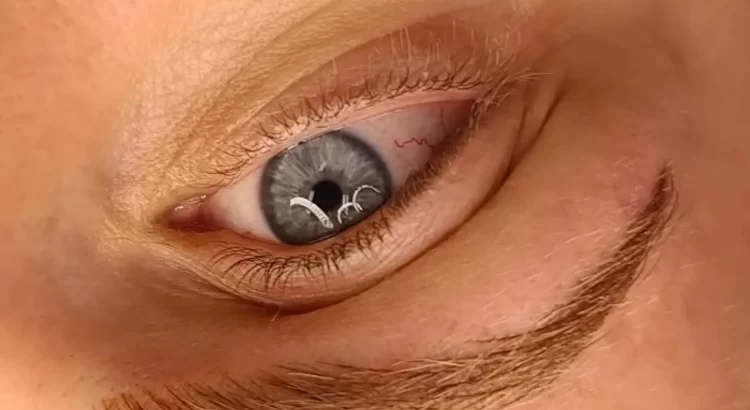
If you’ve ever looked at someone’s perfectly healed brows and thought, “I could do that” — you’re not alone. The rise of cosmetic tattooing (a.k.a. permanent makeup) has made it one of the fastest-growing niches in the beauty industry. But the question still stands: is permanent makeup a good career choice? And more importantly — is it a good career choice for you?
Spoiler: there’s no sugar-coating here. I’ve trained, worked, and mentored in this space for over a decade. I’ve seen artists thrive, and I’ve seen some tap out after a year. So let’s unpack the perks, the pitfalls, and the practicalities.
Contents
- 1 What It Is and How It Works
- 2 The Rush Into PMU: What’s Driving It?
- 3 It’s Not All Instagram and Income
- 4 How Much Do PMU Artists Earn?
- 5 What You’ll Need to Get Started
- 6 PMU Trends in Australia:
- 7 Who Makes a Great PMU Artist?
- 8 Final Thoughts
- 9 FAQ
- 9.1 How long does it take to become a cosmetic tattoo artist in Australia?
- 9.2 Is permanent makeup a profitable business in 2025?
- 9.3 Do I need a beauty background to start cosmetic tattooing?
- 9.4 What’s the difference between cosmetic tattooing and traditional tattoos?
- 9.5 How do I choose the best cosmetic tattoo training course?
What It Is and How It Works
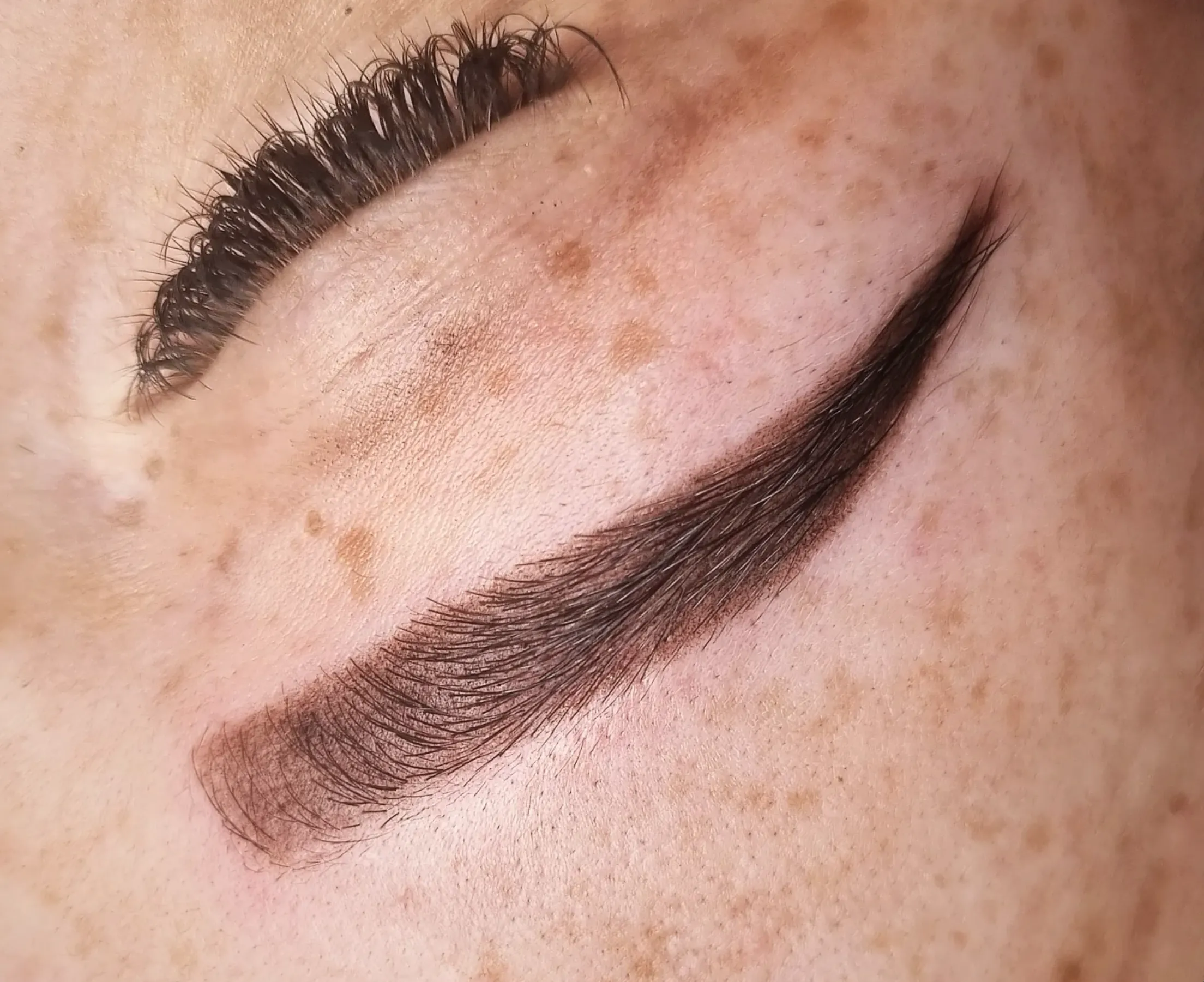
We’re talking about cosmetic tattooing — not old-school block brows from the 90s, but refined techniques like:
- Feathered or powder brows
- Lip blush and liner
- Eyeliner tattooing (a range of eyeliner styles is available)
- Freckle tattoos
- Areola restoration and scalp micropigmentation
It’s semi-permanent, meaning pigments fade over time, unlike traditional body tattoos. That opens the door for trends, corrections, and natural-looking enhancements — but also demands regular touch-ups, sterilisation techniques, and a steady hand.
Cosmetic Tattoo Brisbane Studio Face Figurati is a well-regarded example of how proper technique and high standards can elevate cosmetic tattoo services in a crowded industry. They’ve helped set the benchmark for natural results and ethical client care in the local PMU scene.
The Rush Into PMU: What’s Driving It?
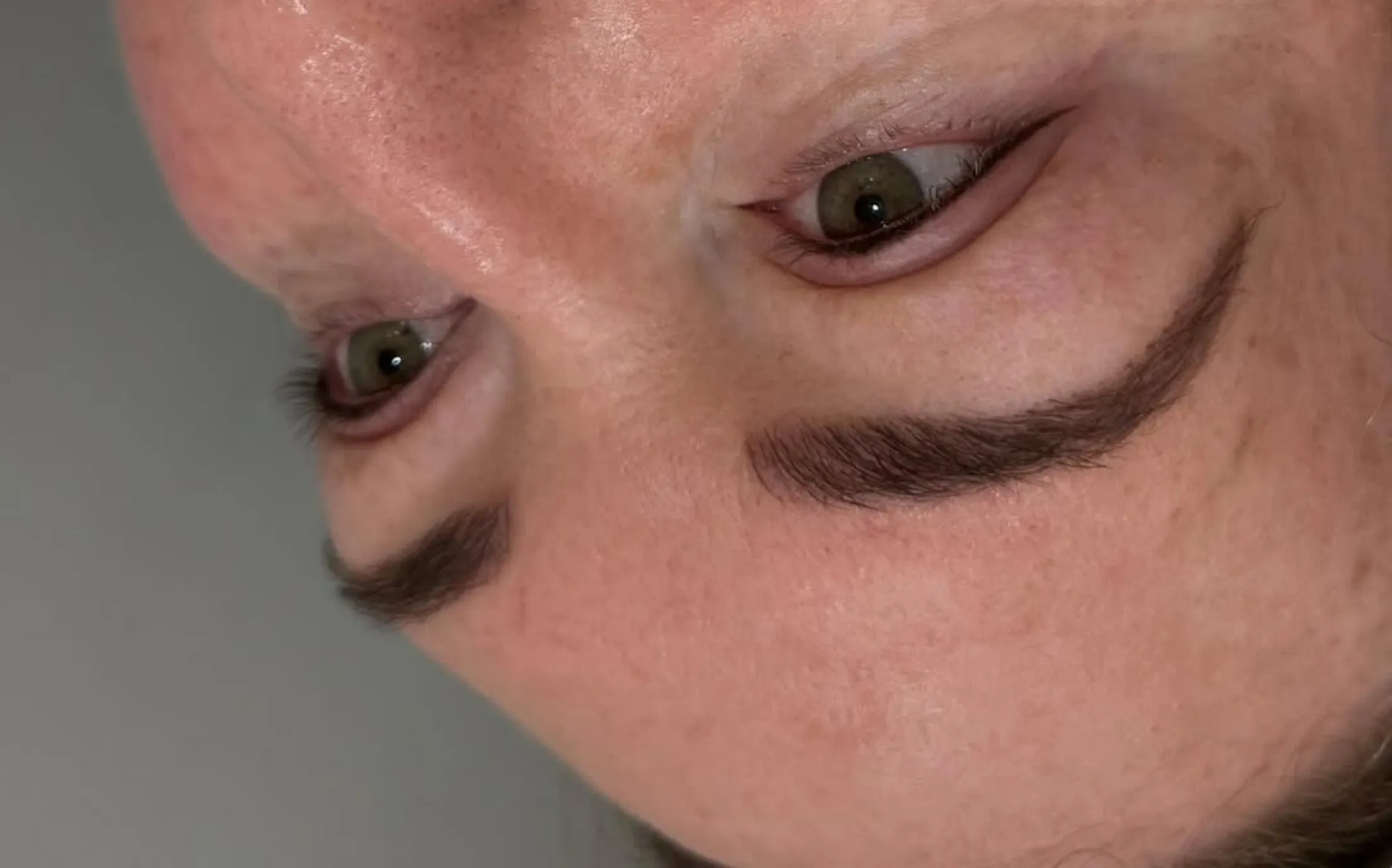
Let’s start with the why — because it’s not just about loving brows. It’s about lifestyle, income, and purpose.
1. High Demand, Low Overhead
- Cosmetic tattooing is booming in Australia, with search volume for “eyebrow tattoo” and “lip blush” surging year after year.
- You don’t need a massive space. Many artists operate from boutique studios or even home salons (once licensed).
- It’s one of the few beauty services where each appointment can earn $300–$800+, with minimal product costs.
- There is constant demand for skilled technicians who deliver high-quality results across a wide range of permanent makeup procedures.
2. Flexible Lifestyle
- Want to work school hours? Set your own days? Take winter off? PMU can be that flexible — a truly flexible career.
- Many artists choose to work 2–3 days a week and still earn a full-time income.
3. Real Impact, Real Clients
- You’re not just doing brows. You’re restoring confidence after chemo, supporting breast cancer survivors with areola tattoos, and helping people feel more themselves.
- This career offers a deep connection with your client base, and real impact on clients through client interactions and ongoing client satisfaction.
4. Diverse Career Pathways
- Start with brows, then branch into lips, eyeliner, paramedical tattooing, teaching, or product creation.
- Many successful careers in PMU evolve into training, mentoring, or product development — it’s a connected career choice with a range of career opportunities.
It’s Not All Instagram and Income
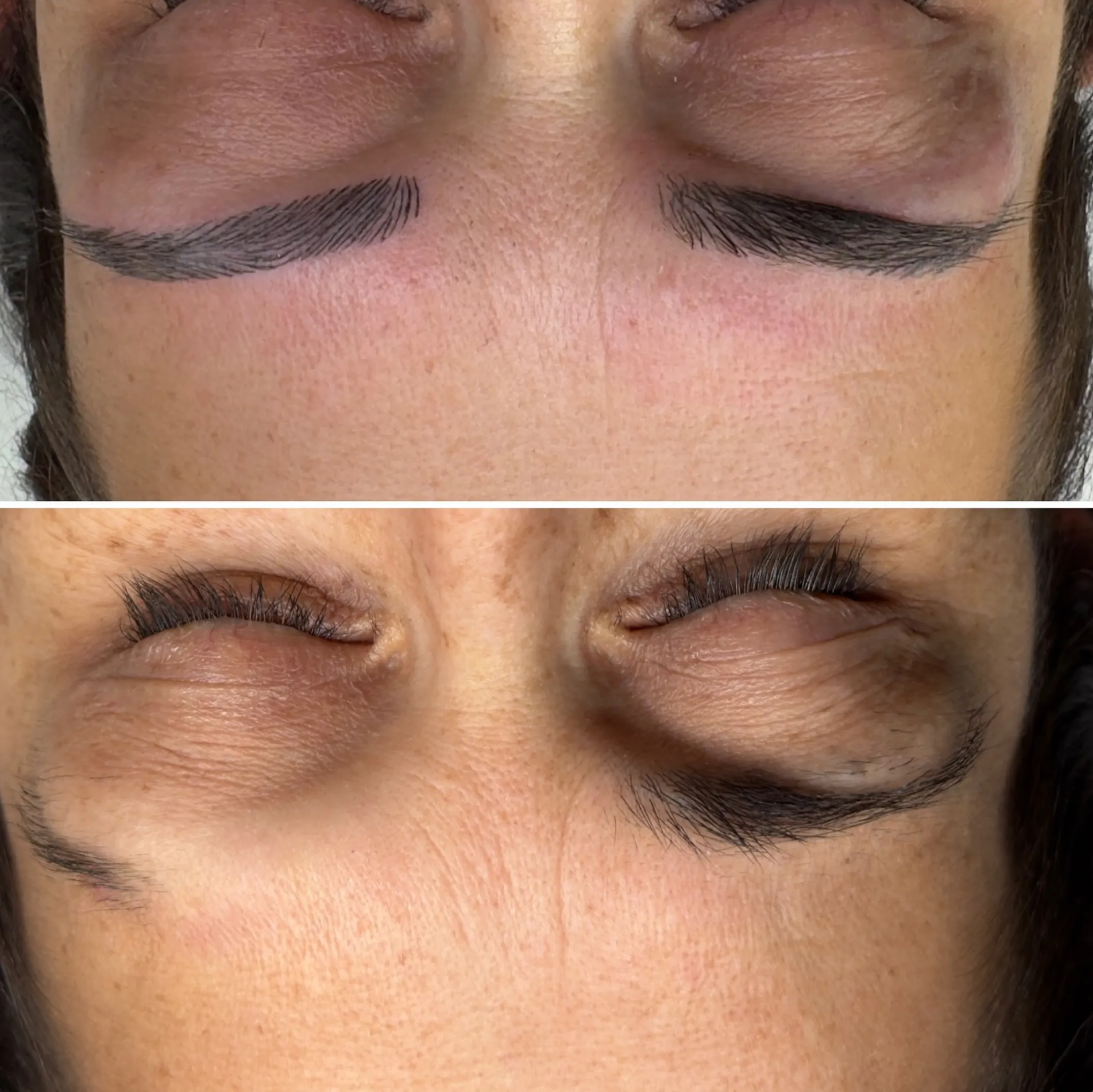
Social media might make it look like a dream job — but permanent makeup also requires grit, patience, and proper training.
1. Learning Curve Is Steep
- You’ll be working on faces. One slip, and it’s not just a refund — it’s a reputation hit.
- Mastering skin undertones, pigment retention, and the application of tattoo techniques takes time and models (many, many models).
- Permanent makeup artists must build technical skills, active listening skills, and vital skills for client consultations.
2. Regulations and Red Tape
- Every state in Australia has different rules. You’ll need a tattoo licence, council approvals, infection control qualifications, and sometimes a beauty background.
- The paperwork matters as much as the pigment — especially for artists aiming to work in medical procedures or post-care services.
3. Emotional Energy
- You’re holding space for people in vulnerable moments — whether it’s their first brow tattoo or a scar they’ve hidden for years.
- Building a strong basis with clients and focusing on client satisfaction is key.
4. Social Media Pressure
- Building a client base takes more than talent. You’ll need to market yourself, post regularly, respond to DMs, and handle cancellations with grace.
- The beauty trend cycle is relentless. Protect your mental health while staying current with trends in beauty.
How Much Do PMU Artists Earn?
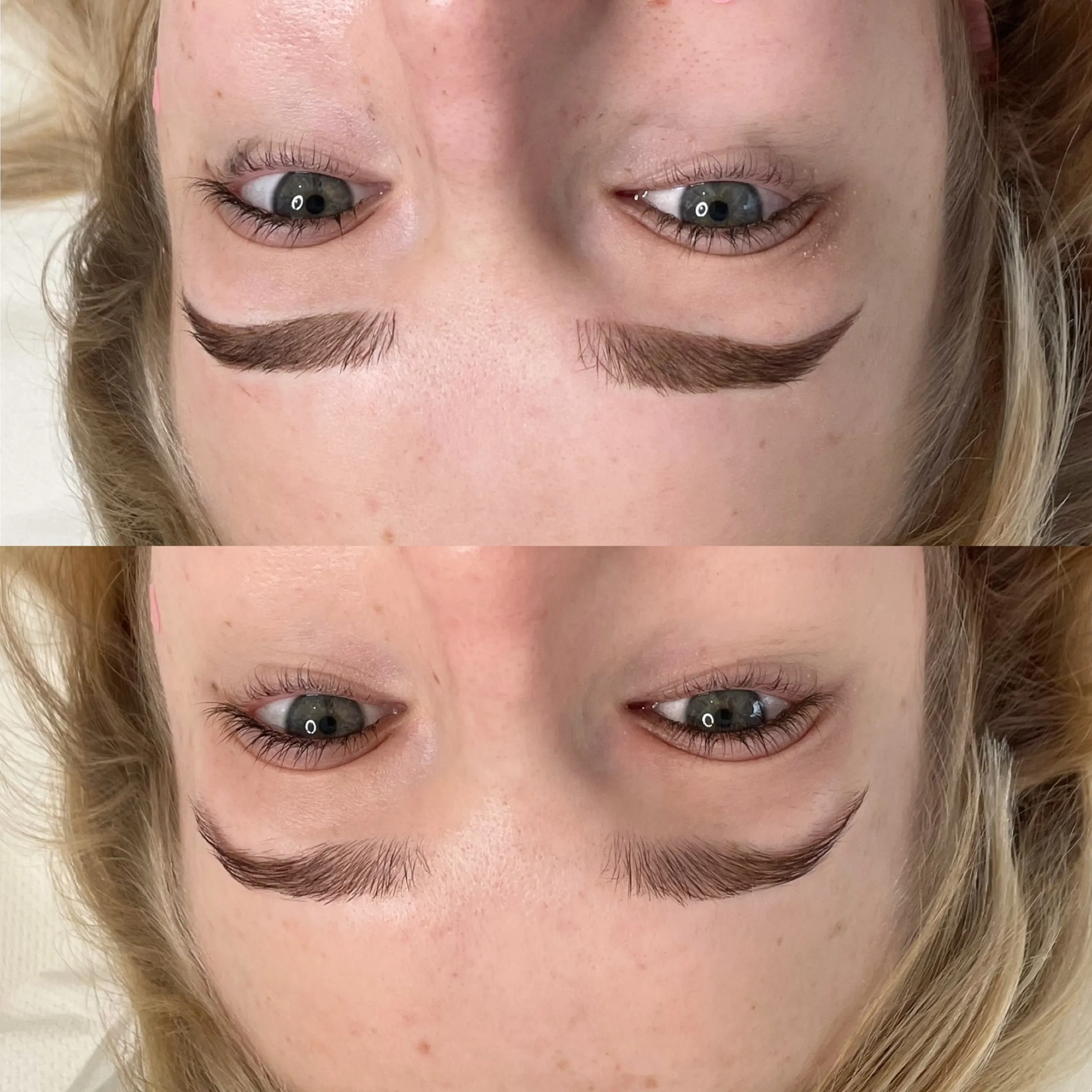
Earnings vary by location, skill, and business model — but here’s a breakdown:
| Experience Level | Weekly Clients | Avg. Price Per Service | Weekly Income | Annual Income (Est.) |
|---|---|---|---|---|
| Beginner (0–1 yr) | 4 | $350 | $1,400 | $72,800 |
| Intermediate (1–3 yrs) | 6 | $450 | $2,700 | $140,400 |
| Advanced (4+ yrs) | 8 | $600 | $4,800 | $249,600 |
Note: This doesn’t include expenses like rent, insurance, post-care products, quality products, or taxes. But it shows the favourable income potential.
What You’ll Need to Get Started
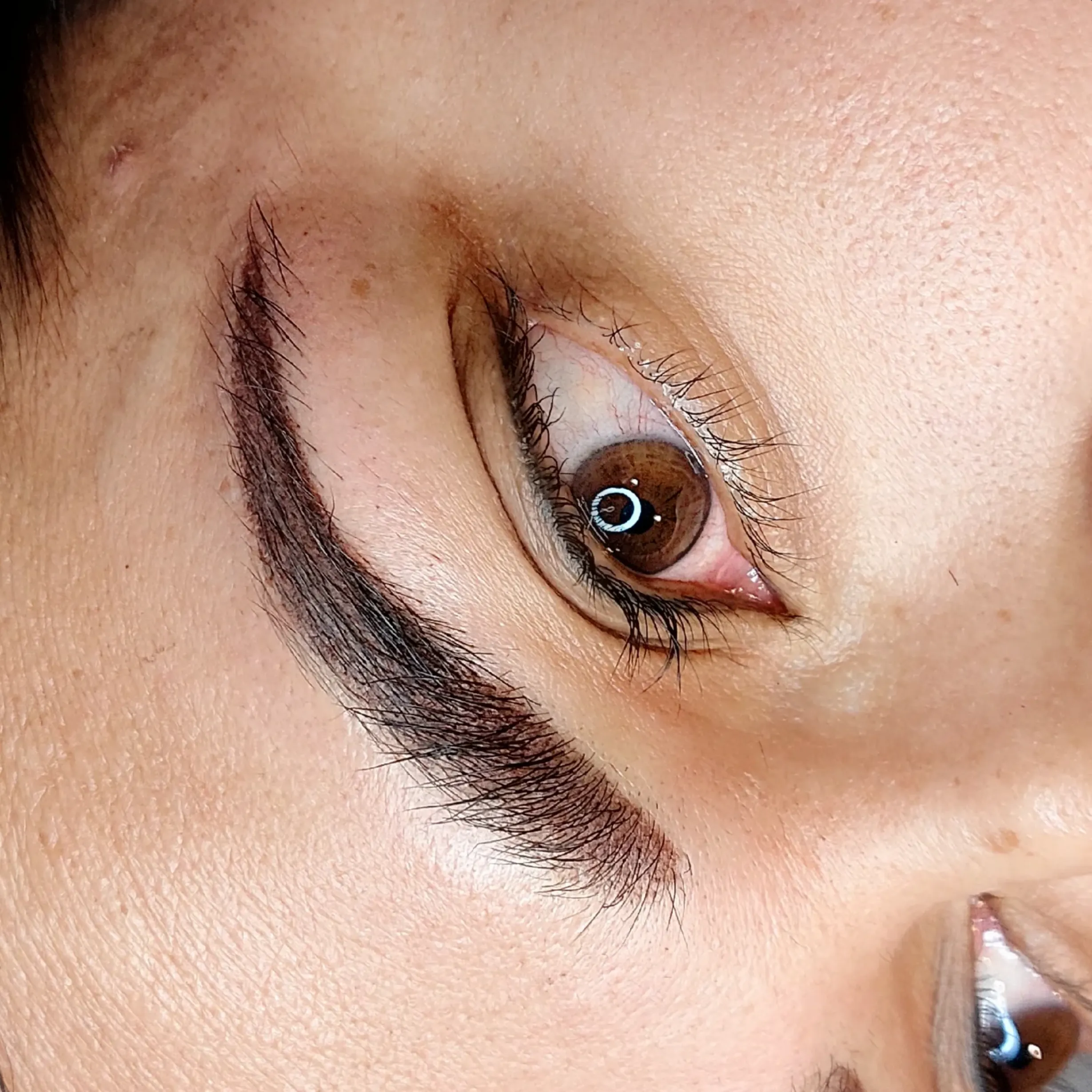
A certificate alone won’t cut it. Here’s what really sets successful artists apart:
- Hands-on training with live models — not just latex skins
- Solid understanding of skin types, healing, and contraindications
- Sterile, high-quality tools and a clean, council-approved space
- Ongoing mentoring and ongoing training with experienced professionals
- Portfolio building with consistent lighting and healed results
- Confidence in consults and setting client expectations
- Proper education from a reputable training program or training centre
- Comprehensive education in advanced microblading techniques and permanent cosmetics techniques
If you’re considering becoming a cosmetic tattoo artist, it’s worth enrolling in a quality cosmetic tattoo course that offers hands-on support. Some artists start with cosmetic tattoo courses that cover a broad overview, then specialise over time.
PMU Trends in Australia:
- Natural, soft-focus brows are in — think hyperrealism, not heavy ombré.
- Lip blush (adding subtle colour to lips) is growing in popularity across all ages.
- There’s rising interest in scalp micropigmentation and eyebrow microblading, especially in metro areas.
- Male clients are increasing — interested in lash enhancements and subtle brow shading.
- Beauty professionals are seeking cosmetic tattoo training as a smart career choice to expand their services.
Who Makes a Great PMU Artist?
This career isn’t for everyone — and that’s okay. You’ll love this job if:
- You’re detail-oriented and calm under pressure
- You genuinely enjoy one-on-one work and impactful client experience
- You’re open to continuous development and beauty sector trends
- You value artistic skills as well as essential techniques and technical precision
- You’re an independent artist or beauty salon owner ready to grow your beauty biz
- You’re passionate about cosmetic tattooing and ready to become a trusted cosmetic tattoo artist in your community
Final Thoughts
Short answer? Absolutely — if you’re ready to commit to the craft, not just the income. Permanent makeup can be a deeply rewarding, flexible, and profitable career. With the right mindset, tools, and training, it’s a wise career path with numerous benefits and opportunities for career advancement.
Whether you’re a veteran beauty therapist looking to specialise, or one of many incoming artists curious about tattoo eyebrow courses — PMU is a popular career choice with real financial rewards and career longevity. Cosmetic Tattoo Brisbane Studio Face Figurati is a great example of what’s possible when passion meets proper education.
FAQ
How long does it take to become a cosmetic tattoo artist in Australia?
It depends on your training path. A foundational cosmetic tattoo course can be completed in a few weeks, but gaining real hands-on experience takes months. Most successful artists undergo comprehensive training and continue learning throughout their careers.
Is permanent makeup a profitable business in 2025?
Yes — demand for skilled PMU artists is high, and the annual income potential is strong. A well-marketed solo artist can earn six figures, especially in metro areas or specialised services.
Do I need a beauty background to start cosmetic tattooing?
Not necessarily, but it helps. Some states require infection control qualifications or prior experience in the beauty industry. Many artists come from lash, brow, or beauty therapy backgrounds.
What’s the difference between cosmetic tattooing and traditional tattoos?
Cosmetic tattoos use specialised pigments, softer techniques, and shallower skin penetration. They’re semi-permanent and designed for facial features, unlike body art.
How do I choose the best cosmetic tattoo training course?
Look for a reputable training program with hands-on training, small class sizes, and real model practice. Check if the trainer is a licensed and experienced cosmetic tattoo artist with a strong healed-results portfolio.
